01Jul
Buying your first car should feel exciting. Instead, for most people, it feels like walking into a used-car lot wearing a sign that says, "please take advantage of me." You don't have a credit history to point to. You don't know what a "money factor" is. And somewhere between the sales pitch and the financing paperwork, you start wondering if everyone in the building knows something you don't.
Here's the good news: first-time car buyer programs exist specifically to level that playing field.
They're not a myth, and they're not just a marketing gimmick either. They're real financing tools built for people in exactly your position. But most articles on this topic stop at "here are five programs, good luck."
That's not enough.
You need to understand how these programs actually work, where the traps are, and how to walk away with a deal that doesn't quietly wreck your finances for the next six years.
What Exactly Is a First-Time Car Buyer Program?
GettyImages.
A first-time car buyer program is a specialized financing option (usually offered by an automaker's captive lender, a bank, or a credit union) designed for people with little to no established credit history.
Traditional auto loans lean heavily on your credit score and credit length. If you're 22 and have never had a loan or credit card, you look invisible to most lenders, even if you have a steady paycheck and money in the bank.
These programs fix that by using alternative approval criteria.
Instead of (or in addition to) your credit score, lenders might look at:
- Proof of steady income or employment (sometimes as short as 3-6 months)
- Your debt-to-income ratio
- Whether you have a checking or savings account in good standing
- A cosigner, if your file is especially thin
- Rent payment history in some newer programs
The tradeoff is usually a slightly higher interest rate than someone with excellent credit would get, sometimes a lower maximum loan amount, and often a requirement to buy a new (not used) vehicle from a participating brand.
The Main Types of First-Time Car Buyer Programs Worth Knowing About
Manufacturer-backed programs.
Several automakers run their own first-time buyer or "college grad" programs through their captive finance arms. These typically offer reduced down payment requirements, sometimes as low as $0-500, along with rate discounts or cash incentives. Eligibility is usually tied to proof of upcoming or recent employment and a limited debt load.
Credit union first-time buyer loans.
Credit unions are often the most underrated resource here. Because they're member-owned and not purely profit-driven, many offer dedicated "credit builder" auto loans with more forgiving underwriting and lower rates than a typical subprime dealer loan. Some even report your on-time payments to all three credit bureaus faster than banks do, which helps you build credit quicker.
Dealer-based "no credit, no problem" financing.
These exist at nearly every dealership, but they deserve the most scrutiny. Some are legitimately fine — a dealer partnering with a reputable lender to serve first-time buyers. Others are structured to extract maximum interest over the life of the loan from people who don't have the leverage to negotiate. The program itself isn't the problem; going in without comparing your options first is.
Nonprofit and community-based programs.
In some regions, nonprofits and community development financial institutions (CDFIs) offer low-interest auto loans to people building credit or transitioning off public assistance, often paired with financial literacy coursework. These are less flashy but frequently offer the best terms available if you qualify.
How Much Would a $30,000 Car Payment Be a Month?

GettyImages.
This is one of the most asked questions by first-time buyers, and for good reason. The sticker price doesn't tell you what you'll actually be paying monthly. Your payment on a $30,000 car depends on three things: your loan term, your interest rate, and your down payment.
Here's what a $30,000 loan (assuming no down payment, which we'll talk about later) looks like across common terms and rates:
| Loan Term | 4% APR | 6% APR | 8% APR | 10% APR |
|---|---|---|---|---|
| 48 months | ~$677/mo | ~$705/mo | ~$733/mo | ~$761/mo |
| 60 months | ~$552/mo | ~$580/mo | ~$608/mo | ~$637/mo |
| 72 months | ~$470/mo | ~$497/mo | ~$525/mo | ~$554/mo |
A few things jump out when you look at this table.
First, your interest rate is crucial, but not as much as most first-time buyers assume. The real lever is your loan term.
Second, stretching from 60 to 72 months only saves you about $80-90 a month, but it adds a full year of payments and meaningfully increases the total interest you pay over the life of the loan.
Also remember this table doesn't include sales tax, registration fees, or dealer add-ons, which can easily push your real loan amount several thousand dollars higher than the car's sticker price.
If you're financing $30,000 "out the door" after taxes and fees on a car that stickered closer to $27,500, your actual payment will land toward the higher end of these ranges.
A rough, practical rule: budget for something in the $550-$650 range monthly if you're financing close to $30,000 over 5-6 years at an average first-time-buyer rate. And that's before insurance, which for new drivers with thin credit history can easily add another $150-$300 a month depending on your age, location, and driving record.
What Is the Biggest Mistake First-Time Car Buyers Make?
Hands down, it's shopping for a monthly payment instead of shopping for a car price.
Here's how it plays out.
You walk into a dealership with a number in your head — "I can afford $400 a month" — and you tell the salesperson that number. From that point forward, the entire conversation reshapes itself around hitting your target payment, not around the car's actual value or what terms are fair.
A skilled finance manager can hit almost any monthly number you want simply by extending the loan term to 72 or 84 months, which quietly buries the fact that you're paying thousands more in total interest and staying underwater on the loan (owing more than the car is worth) for years longer.
This single habit is responsible for more financial regret among first-time buyers than any other decision in the process. It leads to:
- Longer loan terms that outlast the car's usefulness or warranty
- Negative equity that follows you into your next purchase
- Rolled-over debt from an old loan getting stacked onto a new one
- A false sense of affordability, since a "doable" payment on paper can still strain a tight budget once insurance, gas, and maintenance are added
The fix is simple, even if it takes some discipline: negotiate the total price of the vehicle first, completely separate from any conversation about monthly payments or financing. Only after you've locked in a fair price should you start discussing loan terms. And even then, aim for the shortest term you can comfortably afford, not the longest one that gets you to a payment you like.
Getting Pre-Approved Before You Ever Set Foot on a Lot

GettyImages.
This is the part of the process most first-time buyers skip entirely, and it's arguably more valuable than any manufacturer incentive.
Getting pre-approved for an auto loan through your bank or credit union before you shop does two things. It tells you exactly what you can actually afford, based on real terms rather than dealership promises. And it gives you negotiating leverage, because you can walk in already holding financing and simply ask the dealer to beat it.
Dealership financing isn't inherently bad. Many dealers can match or beat outside offers because manufacturers subsidize certain rates to move inventory. But you'll never know if you're getting a good deal unless you have something to compare it against. Pre-approval is your baseline.
Watch Out for These Add-Ons
First-time buyers are the most common target for finance office upsells, because the whole process is unfamiliar and the pressure to just "get it done" is high. Some add-ons are genuinely useful; most are overpriced versions of things you can get cheaper elsewhere.
GAP insurance covers the difference between what you owe on your loan and what your car is actually worth if it's totaled — which matters a lot if you financed with little or no down payment. It's often worth having, but dealerships frequently mark it up significantly compared to buying it through your own insurance provider.
Extended warranties sound reassuring but are heavily marked up and often duplicate coverage you already have under the manufacturer's warranty for the first few years.
Paint and fabric protection packages are almost never worth the price dealers charge, since the products are usually available at a fraction of the cost elsewhere.
None of these are scams exactly; they're legitimate products sold at dealership markup. Knowing which ones you actually need, and pricing them independently, keeps a first-time buyer program from quietly turning into a much more expensive purchase than the advertised deal suggested.
Building Credit the Smart Way Through Your First Loan
GettyImages.
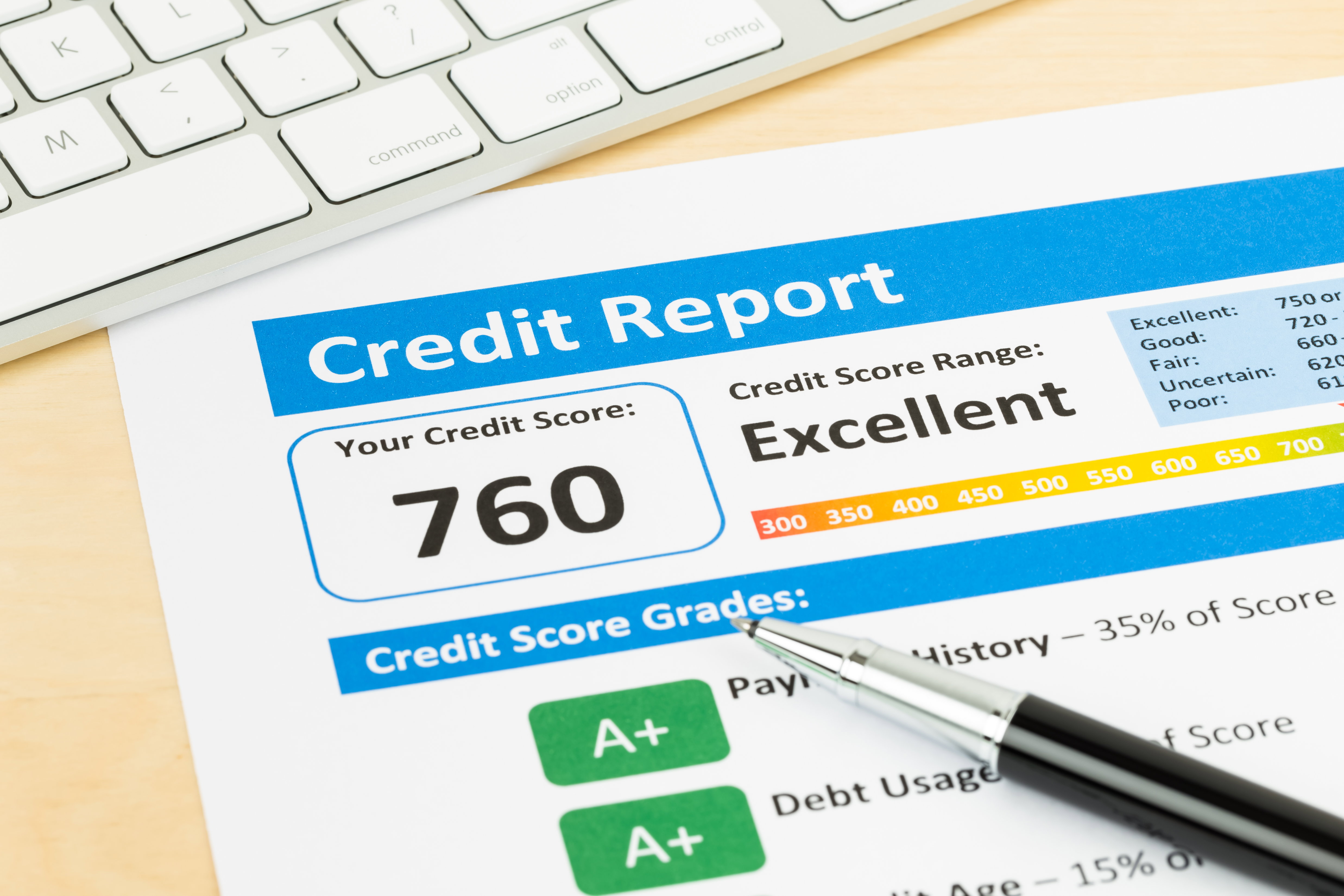
One underrated benefit of a first-time buyer auto loan is that it's often the single fastest way to build a credit history from scratch. Installment loans (fixed monthly payments over a set term) affect your credit differently than credit cards do, and a well-managed auto loan can meaningfully boost your score within the first year.
To get the most benefit, set up autopay so you never miss a due date; payment history is the single biggest factor in your score. Avoid refinancing too early, since new credit inquiries and account age resets can temporarily ding your score. Lastly, keep the loan itself rather than paying it off aggressively in year one, since a longer positive payment history helps more than an early payoff.
Best First-Time Car Buyer Programs
Below are some standout programs available:
GM Financial's First-Time Buyer Program (Chevy/GMC/Buick)
Lets qualified buyers finance up to 105% of MSRP with no adverse credit history required, plus free financial-literacy courses through KEYS Online. That combo of low upfront cash and real education is rare.
Credit union programs (e.g., Digital Federal, Arizona Financial)
Credit unions are member-owned, so they're less profit-driven than banks or captive lenders. Many report to all three bureaus quickly, helping you build credit faster.
Kia's First-Time Buyer Program
Notably lenient: $0 minimum credit score, up to 150% advance, and $0 down in many cases. Best for buyers with genuinely zero credit history who need maximum flexibility.
Hyundai and Nissan dealer-backed programs
Widely available and work with multiple lending partners, increasing approval odds, though rates run higher — worth comparing against a credit union offer first.
Online retailers (Carvana, CarMax)
Access broad lender networks, useful if you've been declined elsewhere, though watch for higher-rate subprime lenders in the mix.
Great Tip: Check a credit union first for the best rate, keep a manufacturer program as backup.
First-time car buyer programs are one of the few financial tools genuinely designed to work in your favor rather than against you. But "designed to help" doesn't mean "automatically good." The value only shows up if you approach the process with a plan: know your real budget, get pre-approved, negotiate price before payment, and resist the upsells in the finance office.
Do that, and your first car loan can become the foundation of a strong credit history instead of a cautionary tale you tell your kids someday.
Comments