02Jul
Buying a used car can go one of two ways. Either you end up with a solid, reliable vehicle for thousands less than a new one would cost — or you end up with a rolling money pit that starts throwing check-engine lights the week your return window closes.
The difference almost never comes down to luck. It comes down to whether you actually worked through a real checklist before handing over your money.
Most "used car buying checklists" online are recycled lists of obvious tips: check the tires, check the mileage, take a test drive. Fine advice, but shallow.
This guide goes further — covering the parts of the process that actually separate a good used car purchase from an expensive mistake. The result is the same whether you're buying from a private seller or a dealership.
Step One: Get Your Financial House in Order Before You Shop

GettyImages.
Before you even start browsing listings, figure out your real budget; not just the purchase price, but the total cost of ownership. That means insurance, registration, expected maintenance, and fuel or charging costs. A car that's $2,000 cheaper upfront but guzzles gas or needs constant repairs isn't actually the better deal.
If you're financing, get pre-approved through your bank or credit union before you start seriously shopping. This does two things: it tells you your real budget in hard numbers, and it gives you leverage, since you can compare any dealer financing offer against a real benchmark instead of taking their word that it's a good rate.
Private Seller vs. Dealer: The Real Tradeoffs

GettyImages.
This decision shapes almost everything else about your buying process, so it's worth understanding the actual tradeoffs rather than assuming one option is universally better.
Buying from a private seller usually means a lower price, since there's no dealership overhead or profit margin built in. Sellers are often more willing to negotiate, and you can sometimes learn more about the car's actual history directly from the person who drove it.
The downside is that you have far less legal protection. Most private sales are "as-is," meaning once you buy it, any problems that show up are entirely yours to deal with. You're also responsible for handling the title transfer, bill of sale, and any state-specific paperwork yourself.
Buying from a dealer costs more, but you're paying for structure. Reputable dealers often provide some form of warranty or certified pre-owned (CPO) coverage, have already run a basic inspection, and handle the paperwork for you.
Dealers are also bound by more consumer protection regulations than individual sellers. The tradeoff is that dealer markups, financing incentives, and add-on products can inflate the total cost if you're not paying close attention — the same finance-office upsells that trip up new-car buyers apply here too.
Neither option is automatically the smarter move.
A well-documented private sale from a careful previous owner can be a better buy than an overpriced, under-inspected dealer lot car — and vice versa. What matters is applying the same level of scrutiny either way, rather than assuming a dealership badge means the car has been thoroughly vetted.
Run a Vehicle History Report Before You Even Look at the Car
GettyImages.
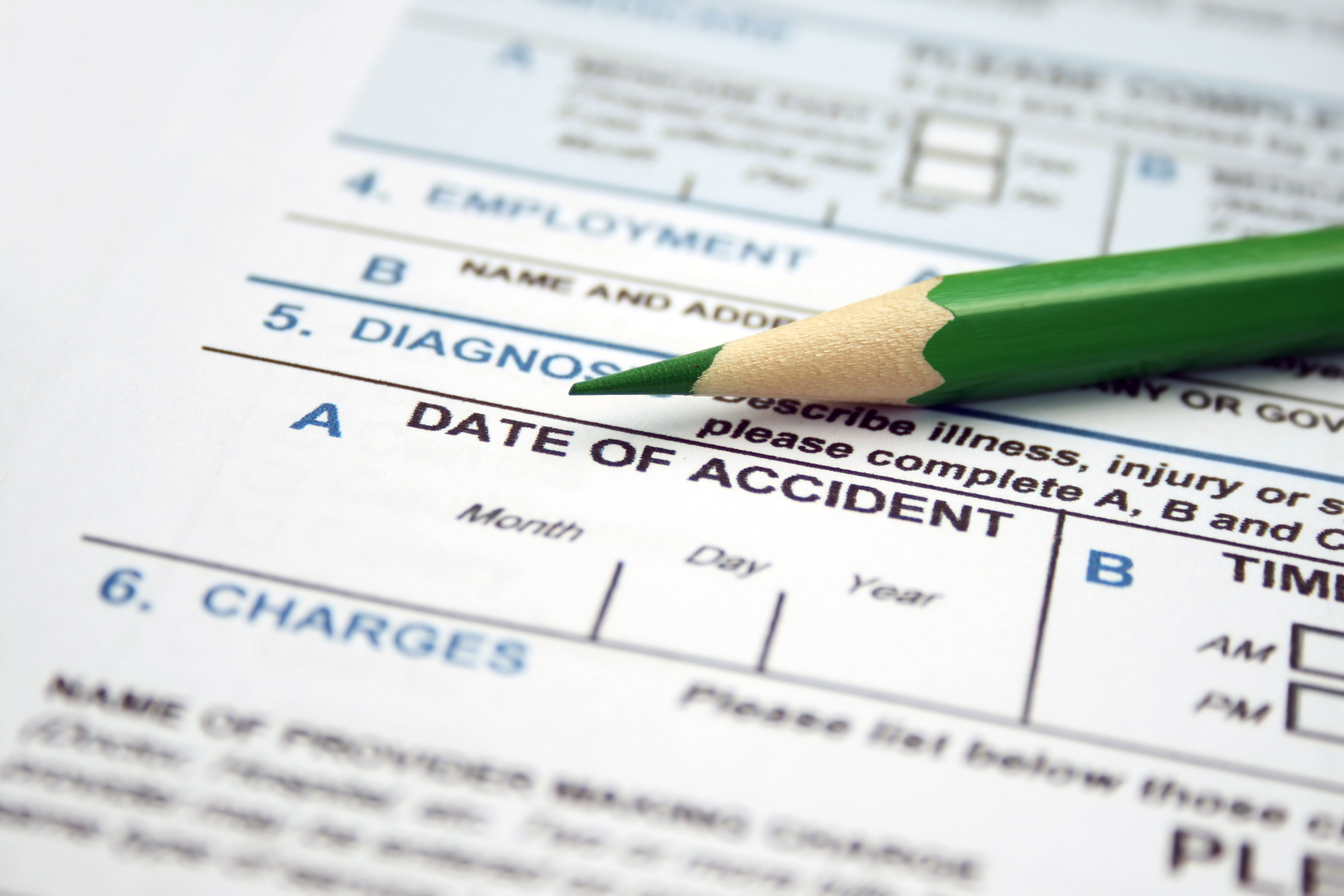
Before you waste time going to see a vehicle in person, run its VIN through a vehicle history service. This single step can eliminate cars with major red flags before you invest any time or emotional energy into them. A history report can reveal:
- Prior accidents and the severity of reported damage
- Title issues, including salvage, rebuilt, or flood titles
- Odometer discrepancies, which can indicate mileage rollback fraud
- Number of previous owners
- Service and maintenance records, when available
- Whether the car was previously used as a rental, rideshare, or fleet vehicle
A clean history report doesn't guarantee a good car, and a report with a minor accident doesn't automatically mean you should walk away — but it gives you the context to ask smarter questions and negotiate from an informed position.
The Full Used Car Inspection Checklist
GettyImages.
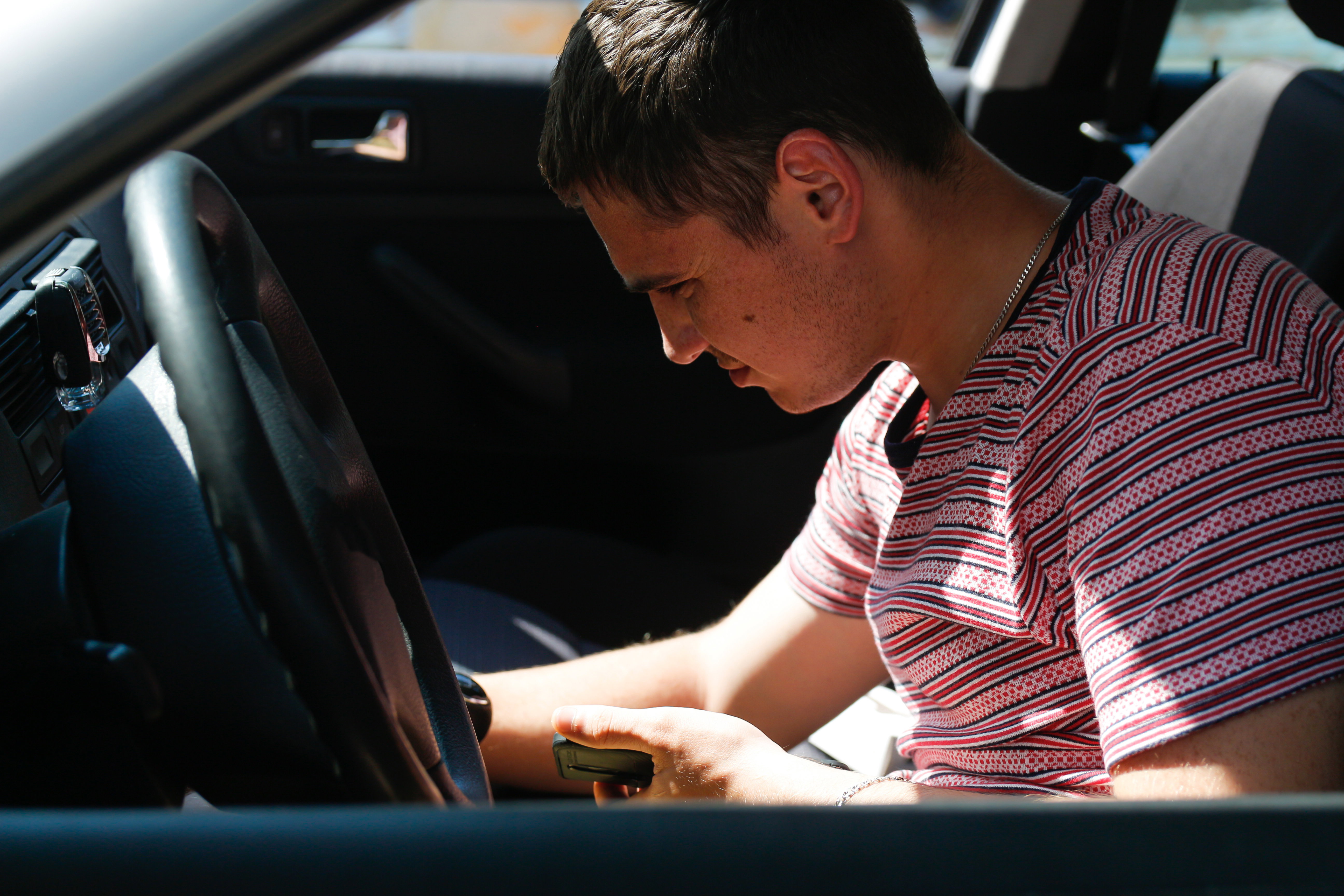
This is where most buyers either do a thorough job or a rushed, surface-level once-over. Do it right, and you'll catch the issues that actually cost money down the road.
Exterior. Walk the full perimeter in daylight. Look for panel gaps that are uneven, which can indicate prior collision repair. Check paint consistency across panels; slightly different shades or textures often mean a repaint after body work.
Crouch down and sight along each side of the car to spot dents or filler work that aren't visible standing up. Check all the glass for chips or cracks, and make sure every light works, including turn signals and brake lights.
Tires. Mismatched tire brands or noticeably uneven wear across the four tires can point to alignment issues or suspension problems, not just normal aging. Check the tread depth and look for cupping or feathering patterns, which are signs of underlying mechanical issues rather than simple wear.
Under the hood. Look at fluid levels and colors. Engine oil should be a clean amber-to-brown, not sludgy or metallic-looking. Check for any fluid puddles or residue underneath hoses and around the engine block, which can signal a leak.
Look at the belts and hoses for cracking. A quick look at the battery terminals for corrosion is worth thirty seconds and can save you a surprise no-start situation.
Undercarriage. This is the part almost every first-time buyer skips, and it's often the most revealing. Rust on the frame, especially in areas that see road salt in winter, can be a serious structural problem.
Look for fresh undercoating in patches, which sometimes indicates an attempt to mask rust rather than genuinely protect the car.
Interior. Check that every seat adjusts properly, seatbelts retract smoothly, and all the electronics — windows, locks, infotainment, climate control — actually function. Excessive wear on the driver's seat or steering wheel relative to the claimed mileage can be a subtle sign of an odometer discrepancy.
Test drive. Drive on a mix of road types; highway, stop-and-go, and rough pavement if possible. Listen for unusual noises when braking, turning, or accelerating. Pay attention to whether the car pulls to one side, which can indicate alignment or suspension issues.
Test the air conditioning and heat fully, not just for a minute. Once the engine's warm, check that it idles smoothly and doesn't stall.
The Pre-Purchase Inspection: Don't Skip This Step
GettyImages.
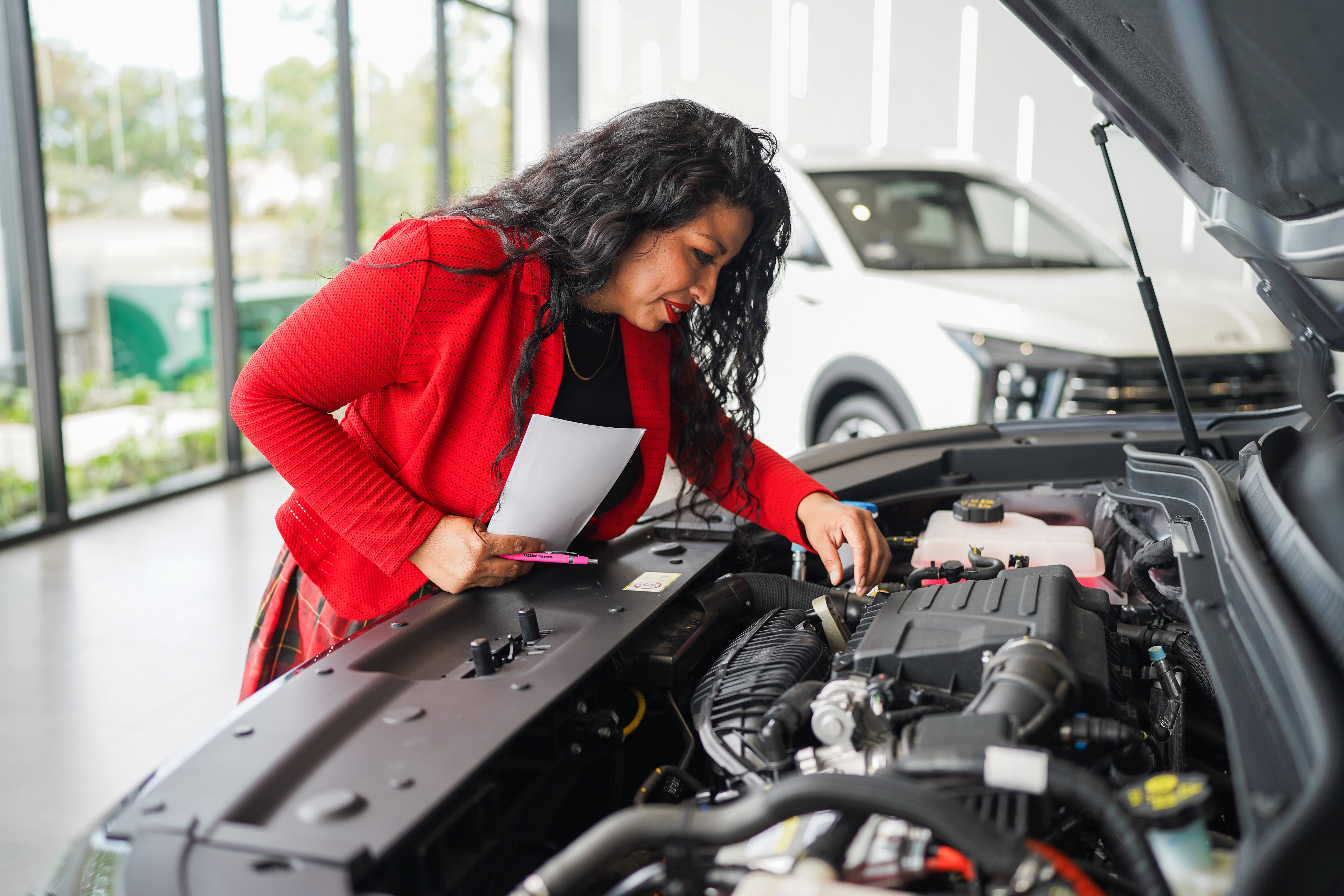
Here's the single most important thing on this entire checklist: no matter how confident you feel after your own inspection, pay an independent, ASE-certified mechanic to perform a pre-purchase inspection (PPI) before you finalize the purchase.
This typically costs $100-$200 and is, without question, the best money you'll spend in the entire car-buying process.
A pre-purchase inspection goes far beyond what you can assess yourself in a driveway or parking lot.
Mechanics use diagnostic tools to check for stored trouble codes, put the car on a lift to properly examine the undercarriage and suspension components, and can spot early signs of engine or transmission issues that wouldn't be obvious on a short test drive.
They'll also give you an itemized rundown of anything that needs attention soon, which becomes powerful negotiating leverage — either to lower the price or to walk away entirely.
If a private seller refuses to allow a pre-purchase inspection, treat that as a serious red flag. Legitimate sellers with nothing to hide are almost always willing to accommodate this, especially since you're typically the one covering the cost.
Most reputable dealers will also allow it, though some may push back. If a dealer absolutely refuses to let you take the car to an independent mechanic, that alone should make you think twice about buying from them.
Negotiating With the Facts You've Gathered
GettyImages.
Once you've run the history report, completed your own inspection, and gotten a PPI back, you're in a completely different negotiating position than someone who's just going off gut feeling.
Use specific findings, not vague pushback. Instead of "the price seems high," say something like "the inspection found the rear brake pads are near the end of their life and there's a minor oil leak at the valve cover — I'd like $500 off to account for that."
With private sellers, there's usually more room to negotiate since there's no dealership margin or manager approval involved. With dealers, focus on the total out-the-door price rather than getting pulled into a monthly payment conversation, which can obscure the real cost of the vehicle over a longer loan term.
Paperwork: What Changes Between Private Sales and Dealers
GettyImages.
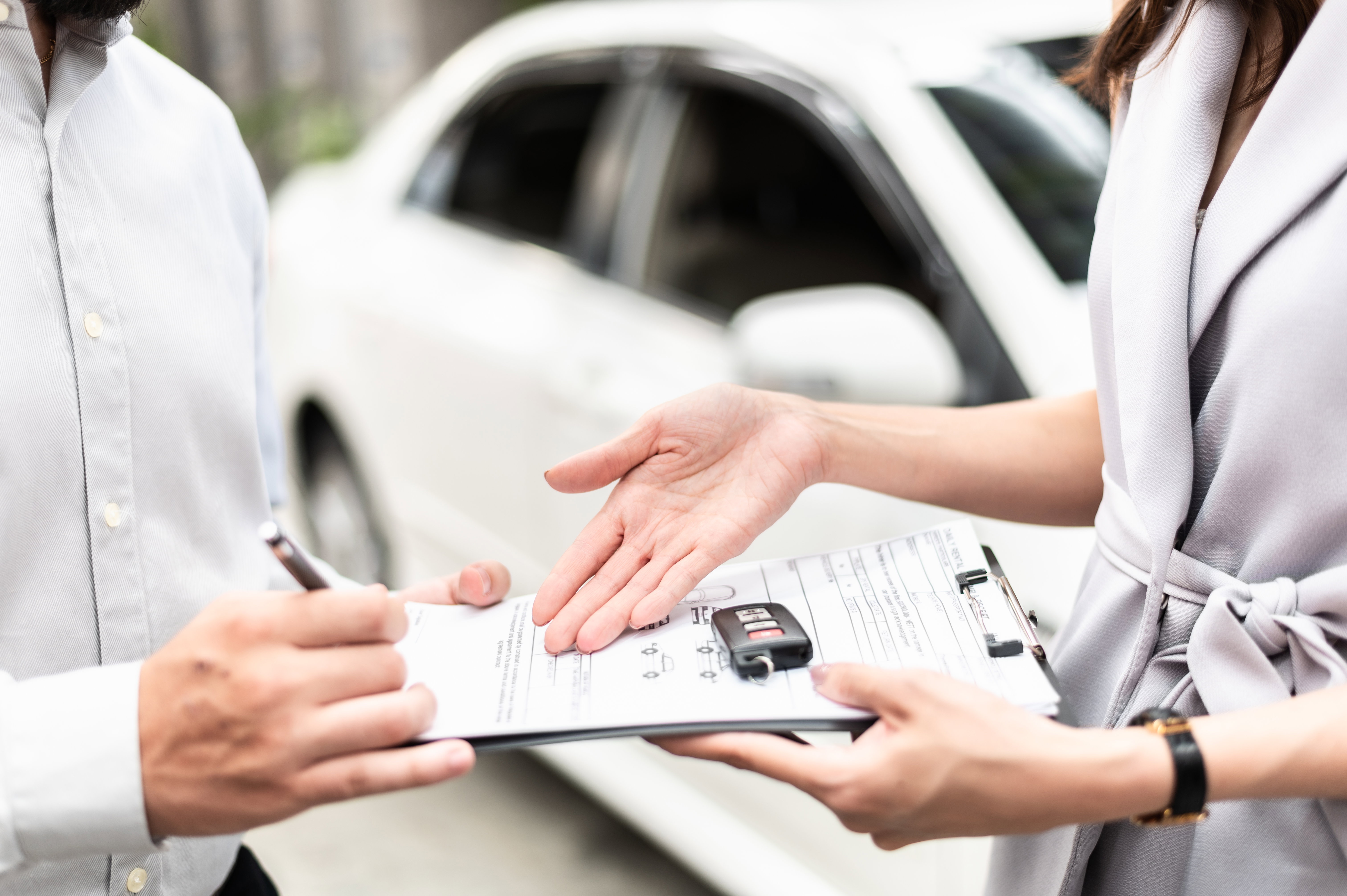
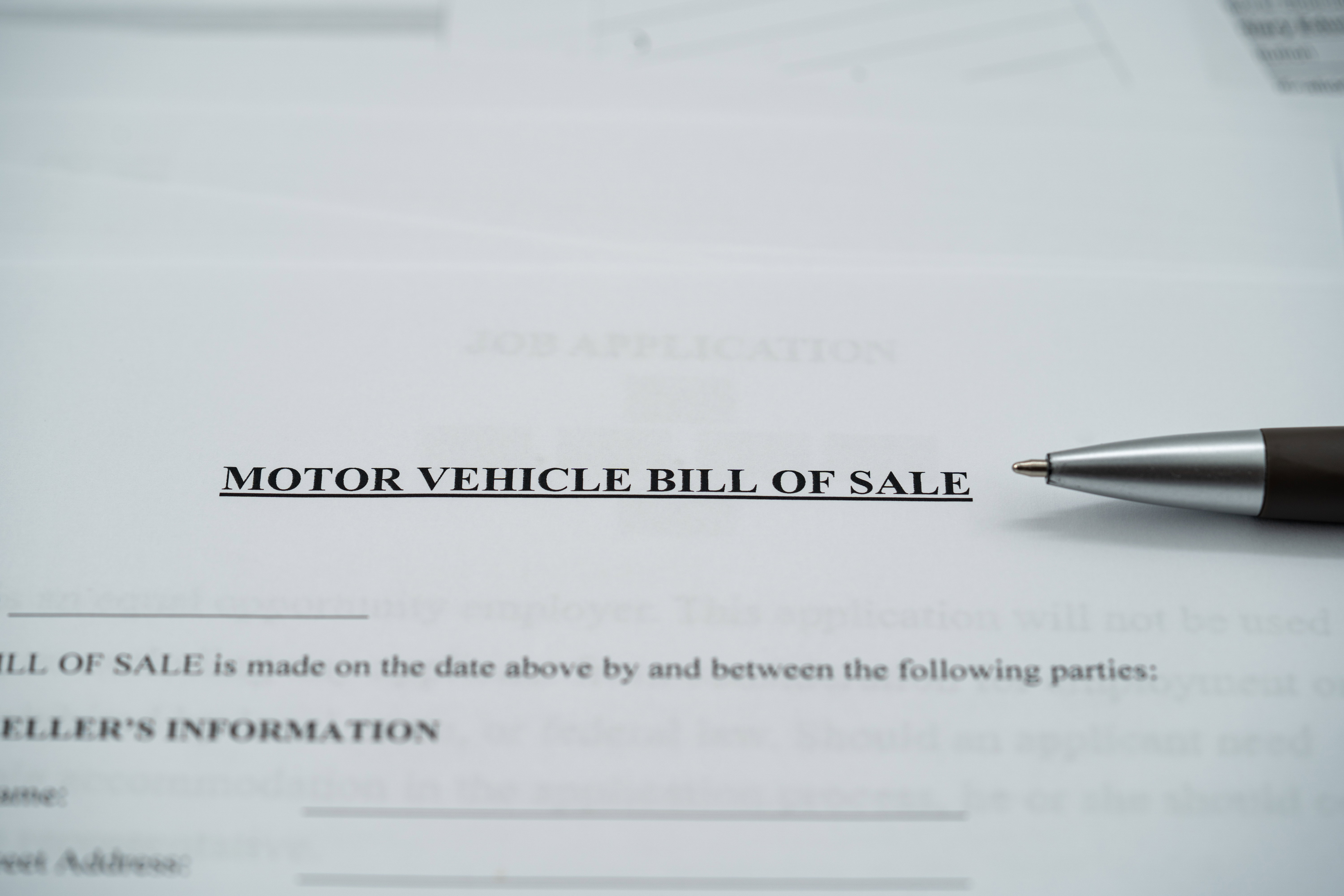
Buying from a private seller means you're responsible for the full paper trail yourself. At minimum, you'll need a signed bill of sale, the title properly transferred into your name, and — depending on your state — a odometer disclosure statement.
Some states also require a safety or emissions inspection before registration. It's worth checking your specific state DMV requirements before you finalize anything, since the process varies more than most buyers expect.
Buying from a dealer typically means the dealership handles title transfer and registration as part of the sale, which is part of what you're paying the markup for.
Still, read every document before signing — dealer financing paperwork is where add-ons like extended warranties or protection packages often get bundled in without much explanation.
Red Flags Worth Walking Away From

GettyImages.
Some warning signs are worth taking seriously enough to end the deal outright:
a seller who won't allow an independent inspection,
a title that doesn't match the seller's name without a clear explanation,
pressure to complete the sale immediately without time to think it over,
a price that's significantly below market value for no clear reason,
or a VIN that doesn't match across the dashboard, door jamb, and title.
None of these guarantees something is wrong, but together or individually, they're reason enough to slow down or walk away.
Quick Reference: The Checklist Summary
GettyImages.
- Set a full budget including insurance, maintenance, and fuel — not just the sale price
- Get pre-approved for financing if you're not paying cash
- Run a vehicle history report before viewing the car in person
- Inspect exterior, tires, under the hood, undercarriage, interior, and take a thorough test drive
- Always get an independent pre-purchase inspection before finalizing
- Negotiate using specific findings, not vague impressions
- Understand the paperwork differences between private sale and dealer purchase
- Watch for red flags that signal it's time to walk away
The Bottom Line
A used car can be one of the smartest financial decisions you make, or one of the most frustrating, depending entirely on how much diligence you put in before signing anything.
The steps in this checklist take a few extra hours and, in the case of a pre-purchase inspection, a small upfront cost — but that investment is nothing compared to what you'll save by avoiding a car with hidden problems. Slow down, work through each step, and let the facts guide your decision instead of the pressure of the moment.
Comments