16May
Rising fuel prices and falling battery costs are changing the economics of car ownership in ways many drivers can measure down to the dollar.
A new study from Compare the Market Australia attempts to put hard numbers on that shift through two datasets called the EV Cost Stability Index and the EV Grid Demand & Cost Pressure Index.
The report compares electricity charging costs against gasoline spending across U.S. states and Australian regions. It also examines how prepared power grids are for surging EV adoption using outage metrics such as SAIDI and SAIFI, which measure the duration and frequency of power interruptions.
For drivers, the headline issue is not ideology or environmental politics. It is the raw arithmetic of how much money stays in a household budget after switching from gasoline to electricity.
The savings become more striking when calculated over years instead of weeks. In several regions covered in the study, the annual fuel-cost gap between an internal combustion vehicle and an EV stretches into the thousands.
The Math Behind EV Savings
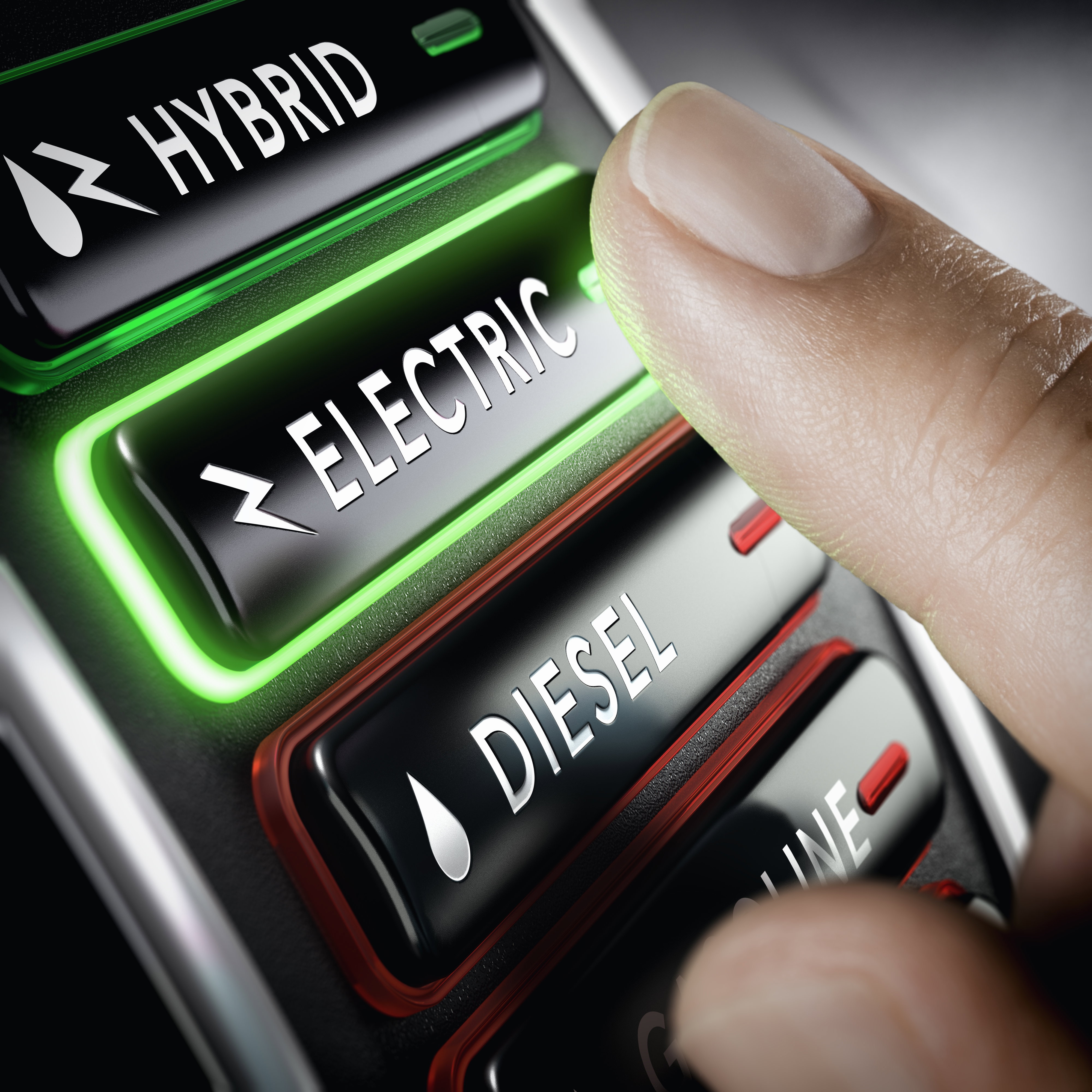
The study’s calculations are built around average annual driving distances, electricity prices, gasoline prices, and vehicle efficiency. That creates a direct comparison between cost per mile for an EV versus a traditional petrol-powered car.
Consider a U.S. driver traveling 13,500 miles annually in a gasoline SUV averaging 25 miles per gallon. At $4 per gallon, yearly fuel spending lands at:\frac {,500}{25} \=2,160That equals $2,160 annually in gasoline costs alone.
Now compare that with an EV consuming 0.30 kilowatt-hours per mile. At an average residential electricity rate of $0.16 per kWh, yearly charging costs become:13,500\times0.30\times0.16=648.
The EV owner spends roughly $648 annually on charging. That creates a yearly savings difference of:2,160-648=1,512Over five years, assuming stable pricing, the driver keeps about $7,560 that would otherwise have gone into fuel purchases.
Why Cost Stability Matters
The Compare the Market analysis goes further than basic fuel comparisons by measuring volatility. Gasoline prices often swing sharply due to refinery outages, geopolitical tensions, shipping disruptions, and seasonal demand shifts.
Electricity prices move more gradually in most developed markets. That creates greater predictability for households trying to manage transportation expenses.
If gasoline rises from $4 to $5 per gallon, the same SUV owner’s annual spending jumps from $2,160 to $2,700. The EV owner using the same mileage profile would still spend under $700 annually unless electricity rates surged dramatically.
That gap matters because transportation is one of the largest recurring household expenses after housing and food. A family operating two vehicles could potentially save more than $3,000 annually if both transition to electric models with favorable charging access.
Grid Pressure Is Becoming the Next Big Test
The second part of the report shifts from consumer savings to infrastructure strain. The EV Grid Demand & Cost Pressure Index evaluates how prepared electrical networks are for growing EV penetration.
The study uses SAIDI and SAIFI reliability metrics to estimate grid resilience. Lower scores indicate fewer and shorter outages, which become increasingly important as transportation becomes more dependent on electricity.
Countries and states with high EV adoption but weak infrastructure could face growing stress during peak charging periods. Fast chargers operating simultaneously across dense urban regions can place heavy demand on transformers and local distribution systems.
That challenge is especially relevant as EV adoption accelerates globally. According to the International Energy Agency, electric vehicle sales crossed 17 million units worldwide in 2024, representing one of the fastest technology adoption curves in modern transportation.
The economics, however, remain difficult to ignore. Even after accounting for home charger installation costs, many drivers can still reach break-even within several years through fuel savings alone. For commuters covering long daily distances, the math becomes even more compelling as every avoided gallon compound into larger annual savings.
ev vs gas cost electric vehicle savings EV fuel savings gasoline vs electricity cost Compare the Market Australia EV Cost Stability Index EV Grid Demand Index rising fuel prices battery costs EV adoption SAIDI SAIFI grid reliability power outage metrics EV charging cost home charging vs gas station EV economics transportation costs household budget EV infrastructure grid pressure electric vehicle 2026 gas prices 2026
Comments