29May
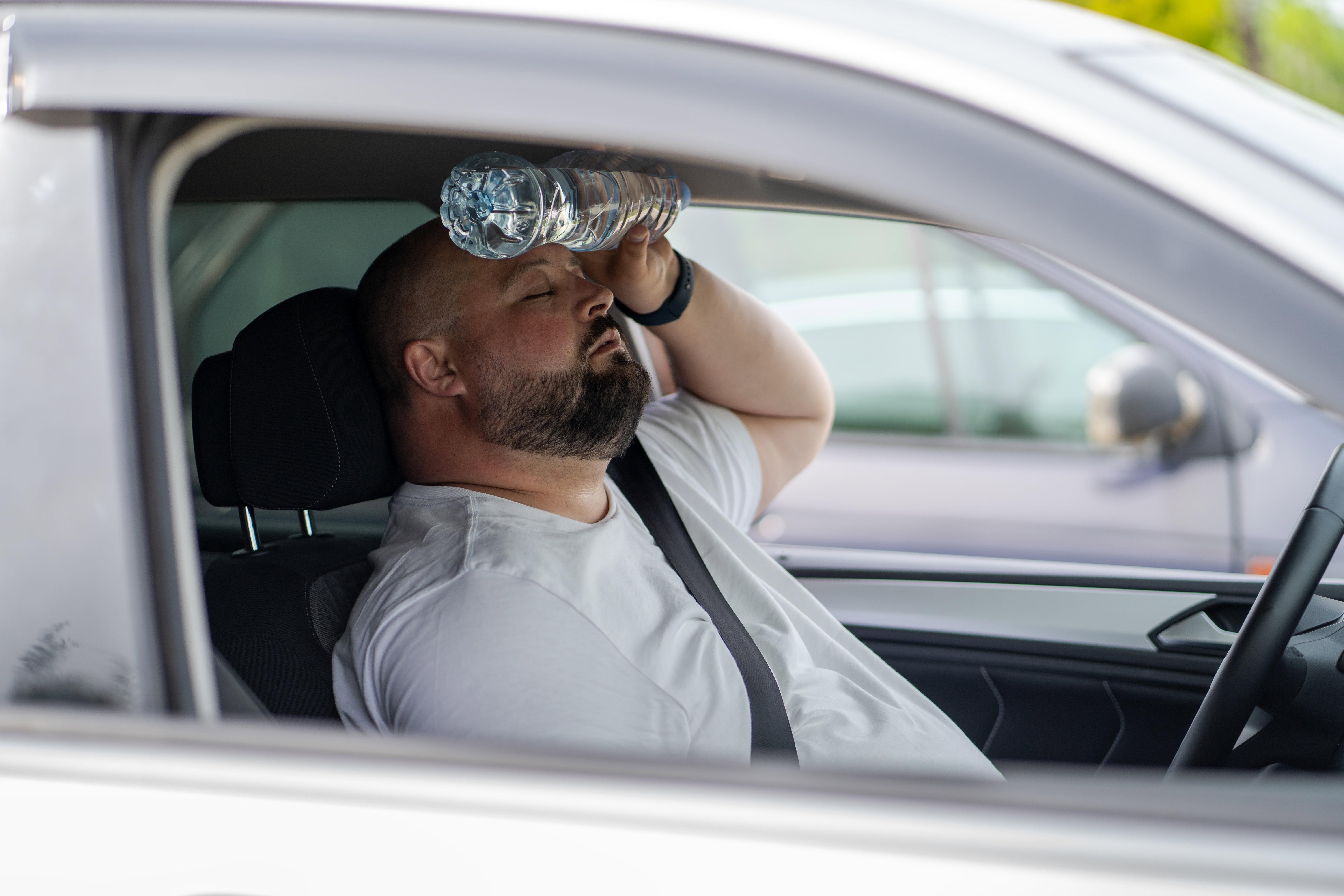
Peak pollen season is creating more than just discomfort for motorists across the UK. New research commissioned by Volvo Cars has revealed that 31% of drivers affected by hay fever have closed their eyes while driving because of their symptoms.
The findings paint a troubling picture of how seasonal allergies may be influencing road safety during the warmer months. Nearly four in five motorists surveyed said hay fever impacts their ability to drive safely to some extent.
The study, which surveyed 2,000 UK drivers who suffer from hay fever, found that sneezing fits, watery eyes, fatigue and reduced concentration are becoming serious distractions behind the wheel. Some respondents even admitted removing both hands from the steering wheel while sneezing.
With the UK experiencing rising temperatures and high pollen levels, June has emerged as the worst month for hay fever sufferers on the road. Volvo says drivers should take extra precautions before setting off during peak allergy season.
Hay Fever Symptoms Trigger Dangerous Driving Habits
According to the study, 13% of drivers confessed to taking both hands off the wheel during sneezing episodes. Even more concerning, nearly 13% said they continued driving despite experiencing severe hay fever symptoms.

The research also revealed that 4.9% of respondents had experienced a near miss caused or worsened by hay fever. Volvo estimates that figure could represent around 535,000 motorists across the UK.
Younger drivers appeared to face the greatest risks. Motorists aged between 25 and 44 were significantly more likely to report hay fever-related near misses compared to drivers aged over 65.
For many drivers, symptoms are severe enough to alter travel plans altogether. More than 30% of motorists in London said they had avoided driving or changed journeys because of hay fever flare-ups.
Medication Side Effects Raise Fresh Concerns
The study highlighted another issue that could impact safety during allergy season. Nearly one in five drivers said hay fever medication had left them feeling sleepy or less alert while driving.
Among drivers aged 25 to 34, 34% admitted experiencing drowsiness after taking allergy medication. By comparison, only 7% of motorists aged over 65 reported similar side effects.
Reduced alertness can become particularly dangerous in heavy traffic or during longer journeys. Combined with symptoms such as itchy eyes and repeated sneezing, medication side effects may increase the risk of lapses in concentration behind the wheel.
The survey also uncovered a common mistake made by drivers trying to cool down during warmer weather. Around 17% said they opened their windows while driving during hay fever flare-ups, potentially allowing even more pollen into the cabin.
London Drivers Among The Worst Affected
London recorded some of the highest levels of hay fever-related driving struggles in the UK. Twenty-one percent of drivers in the capital said their symptoms affected their ability to drive safely often or all the time.
Welsh motorists reported similar figures, while drivers in North East England recorded the highest percentage of people continuing to drive despite severe symptoms. One in five motorists in the region admitted staying on the road even when suffering badly from hay fever.
The research comes as hay fever continues to affect around 16 million people across the UK. Experts believe warmer temperatures and changing weather patterns are contributing to longer and more intense pollen seasons.
Volvo says cabin air quality can play an important role in reducing exposure to allergens while driving. Several of the company’s newer models feature advanced air purification systems designed to filter pollen particles from the cabin environment.
Volvo Highlights In-Car Air Filtration Technology
Models such as the Volvo EX90, Volvo ES90 and Volvo EX60 use multi-zone climate systems capable of filtering out up to 99.9% of grass, tree and pollen allergens, according to the company.
Nicole Melillo Shaw, Managing Director of Volvo Car UK, said many motorists underestimate the safety impact of hay fever symptoms.
She explained that drivers should carefully manage their symptoms before getting behind the wheel and consider steps that help maintain cleaner cabin air during peak pollen months.
As allergy season intensifies across the UK, the findings suggest hay fever may pose a far greater road safety issue than many motorists realize.
Comments