07May
THE RUNDOWN:
- While rideshare services like Uber (and its competitor Lyft) are enormously popular and have revolutionized urban transit, serious incidents — including fatal crashes, assaults, and sexual violence — continue to occur at non-trivial rates.
- Between 2021 and 2022, Uber reportedly recorded 153 fatalities tied to its trips — the highest total across its reporting cycles.
- Sexual assault remains a problem: in the same period, Uber disclosed 2,717 reports of sexual assault; Lyft reported 2,651 in a comparable window.
- The report argues that raw totals (large numbers) can mask deeper structural problems: incident-rates per ride may appear low, but because of the massive scale of rideshare usage and growth, the absolute number of people harmed remains high.
- Rideshare services are changing the fabric of urban mobility — and that creates new traffic, safety, and regulatory challenges beyond individual driver/rider interactions; issues like increased road congestion, more vehicle miles traveled, and a rise in “deadheading” (drivers roaming without passengers) contribute to higher crash and fatality risks.
- While companies have rolled out safety features (e.g. background checks, real-time tracking, trip monitoring, gender-preference settings) — these are not presented as a panacea. According to Vaziri, the “safety divide” persists: convenience and popularity on one side, real risk and structural safety gaps on the other.
When the sun goes down in North America’s cities, another world comes alive.
Restaurants hum, neon lights flare, and millions of late-night workers, students, and revelers turn to a familiar lifeline to get home: rideshare services like Uber and Lyft.
But behind the glow of convenience lies a darker reality, one that rarely makes headlines until tragedy strikes. Although the rideshare revolution has redefined urban mobility, nighttime has emerged as its most dangerous frontier.

Fatal crashes spike after midnight. Assaults, especially against women, occur disproportionately in the late hours. Drivers, often exhausted and underpaid, navigate dimly lit streets, intoxicated passengers, and unpredictable environments.
This investigative report digs into the safety divide after dark.
It follows a survivor’s story, unpacks the data that many platforms prefer to keep out of public view, compares global regulatory frameworks, and asks a pressing question:
Is the convenience of rideshare worth the risks we overlook in the shadows?
A Ride Home That Should Have Been Routine
A survivor’s story
At 1:42 a.m. on a chilly February night in Chicago, Alyssa M. did what millions of women do every weekend: she ordered an Uber home from a friend’s birthday dinner.
She remembers the relief of seeing the car pull up, the warmth of the back seat, and the familiar “You Alyssa?” from the driver.
She remembers the rest only in flashes.
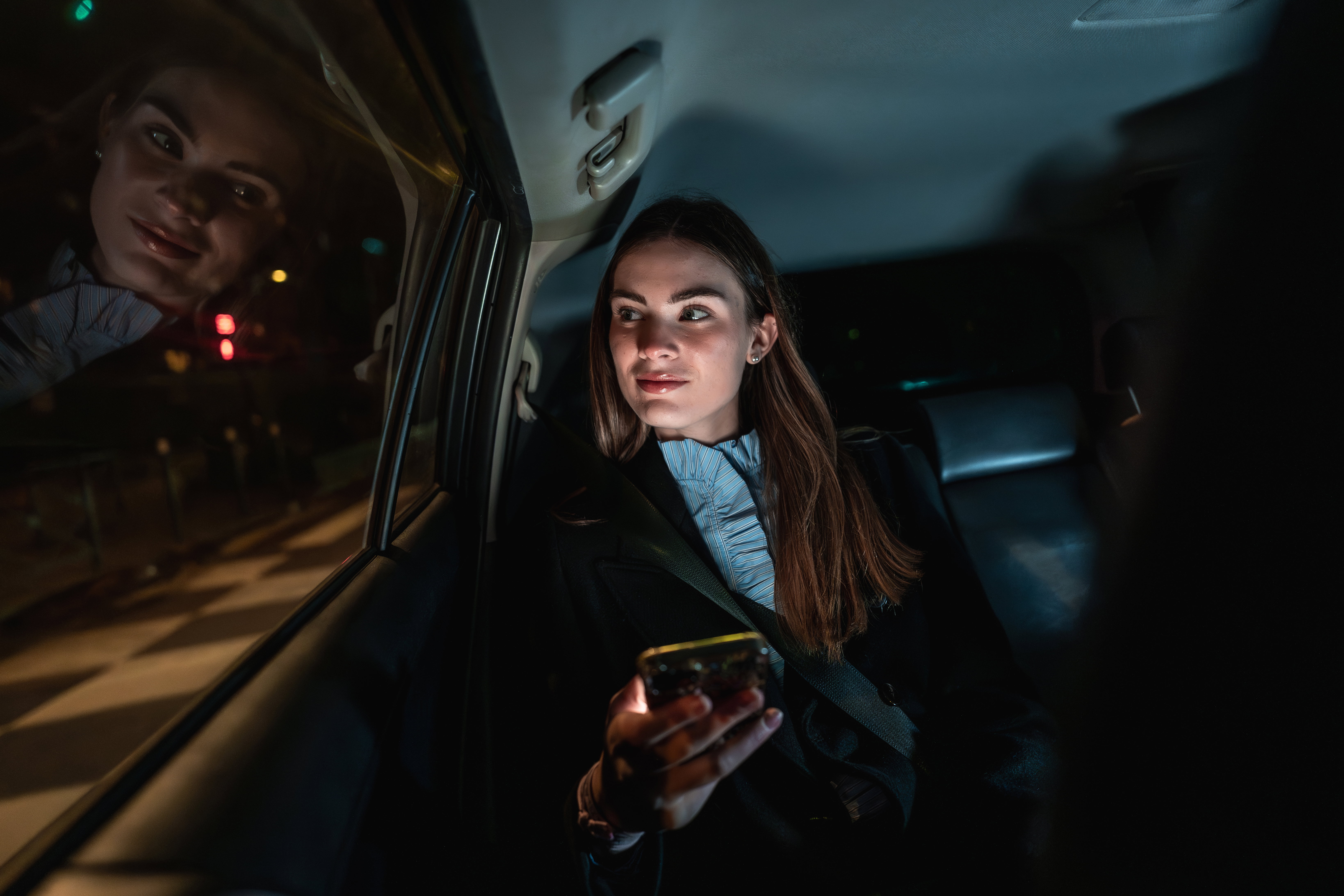
About ten minutes into the ride, the driver veered off the mapped route. When she asked why, he claimed he knew a “shortcut.” But the detour continued until Alyssa realized something was wrong.
Her phone had dipped to 3%, and her messages stopped sending. Before she could call a friend, the driver pulled into a deserted industrial street. She tried to unlock her door. It wouldn’t open.
What happened next, she will recount only vaguely: the panic; the moment she decided to run; the bruise on her arm; the truck driver who happened to pass by and stopped when he saw Alyssa waving frantically from the roadside.
The driver sped off. The next morning, Alyssa reported the incident to police and to the rideshare company. The company deactivated the driver within hours, but beyond that, she received little follow-up.
“I was treated like a glitch in the system,” Alyssa says. “But I wasn’t a glitch. I was a person who trusted the platform with my safety.” Her story is not an anomaly. It is part of a much larger pattern.
What the Data Shows: Late Night Is Rideshare’s Most Dangerous Window
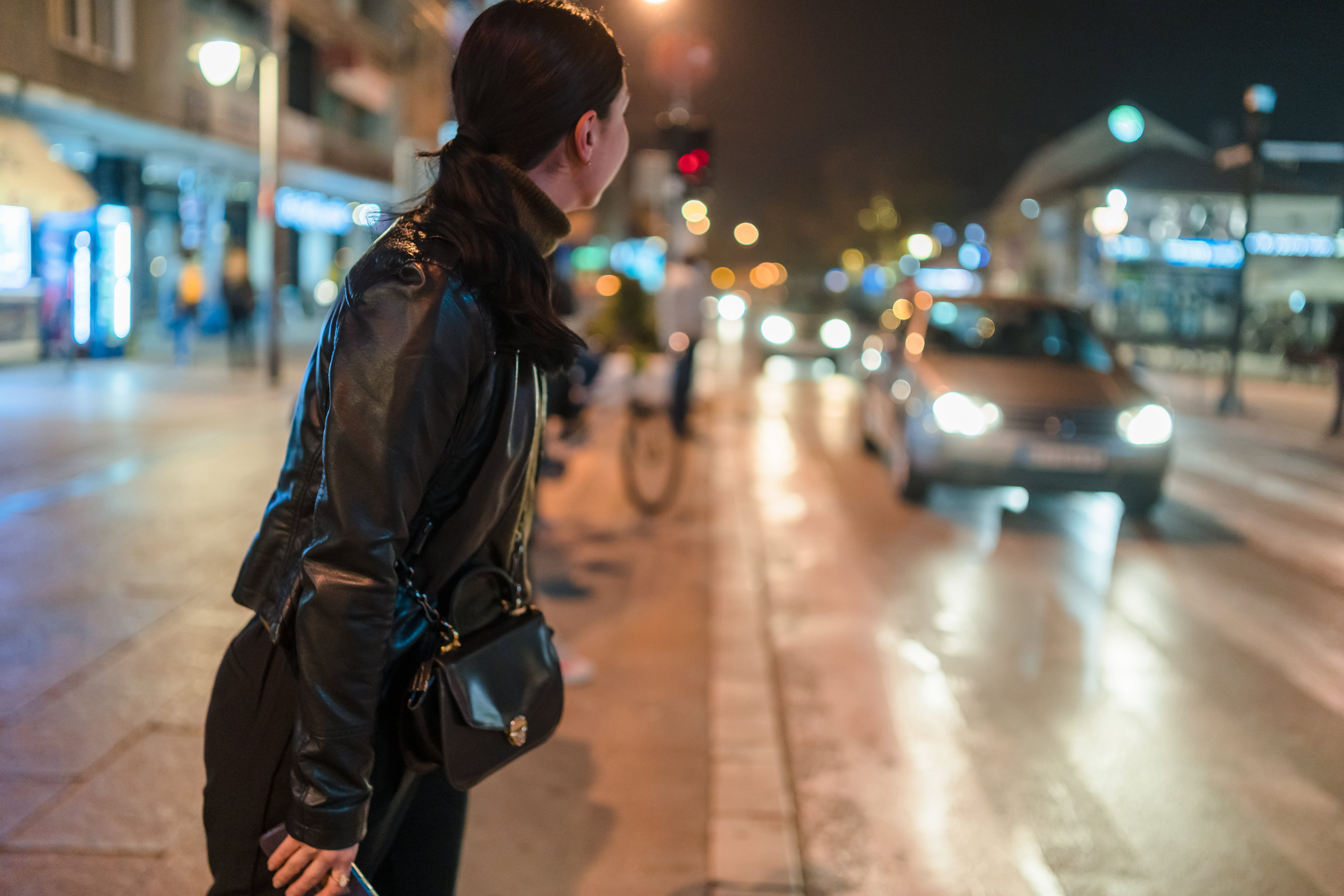
While rideshare companies often emphasize that the “vast majority of rides end without incident,” the absolute numbers tell a more sobering story, especially between midnight and 3 a.m.
Deadliest Hours on the Road
Multiple transportation analyses in North America show:
- Fatal rideshare-linked crashes peak between 12 a.m. and 3 a.m.
- These hours coincide with driver fatigue, drunk passengers, reduced visibility, and increased speeding.
- Rideshare expansion in major U.S. cities has been associated with an increase in vehicle-miles traveled, including “deadheading”—drivers roaming without passengers, a key contributor to night-time congestion and crash risk.
Studies analyzing data from Uber’s own transparency reports show that:
- The platform recorded over 150 fatalities linked to rides in a recent two-year period, the highest yet.
- Nighttime accounted for an outsized share of deadly incidents.
Assaults After Dark
Sexual assault—especially against women and LGBTQ+ riders—also clusters in nighttime windows. One major report highlighted:
- More than 2,700 sexual assaults reported by Uber riders over two years.
- Lyft documented a similar figure in a comparable period.
- Advocacy groups believe the real number is significantly higher due to underreporting.
The patterns are consistent:
- Women are most at risk between 10 p.m. and 4 a.m.
- Many incidents occur when riders are alone, intoxicated, or navigating unfamiliar areas.
- A significant portion involve drivers, but others involve third-party offenders who enter vehicles mistakenly believed to be rideshare cars.
The deeper problem is this: nighttime rides are both the most necessary and the most dangerous. Millions rely on them precisely when transit options shrink and risks rise.
The Drivers: Exhaustion, Vulnerability, and the Night Shift Economy
To understand nighttime risk, you must also understand the people behind the wheel.
“The Night Is Where the Money Is”
Most rideshare platforms offer:
- Surge pricing after midnight
- Bonuses for weekend late-night hours
- Incentives for drivers willing to stay out past 2 a.m.
For many, this is the only way to make a livable income. Carlos R., a Toronto driver who works from 7 p.m. to 4 a.m., puts it bluntly:
“Driving during the day won’t pay my rent. Nights do.” But that comes with a cost:
Long shifts lead to driver fatigue, a major contributor to road accidents.
Drivers encounter intoxicated passengers—who may be unpredictable or aggressive.
Female drivers face hostile or threatening behaviors that force many to avoid late hours entirely.
Fragmented Protections
Unlike taxi drivers in some regulated cities, many rideshare drivers receive no formal training, are not required to install in-car cameras, and operate without the protective infrastructure (dispatch monitoring, panic buttons, licensing visibility) mandated in some traditional taxi systems.
These gaps affect riders and drivers alike. As Carlos says:
“People think we’re all screened and supervised. They don’t realize how alone we actually are at night.”
The Global Picture: How Other Regions Handle Rideshare Safety
North America’s approach to rideshare safety (heavy on user trust, light on regulation) is far from universal. Looking abroad reveals models that either outperform or lag behind.
Cities like London, Amsterdam, and Geneva require more rigorous background checks, mandatory vehicle inspections, limits on work hours for safety, and clearer license visibility for passengers.
In London, authorities have suspended or threatened suspension of Uber’s license due to safety violations. That pressure forced the platform to implement real-time driver identification and stricter oversight.
Several Australian states require commercial passenger vehicles, including rideshares, to have in-car cameras and continuous audio recordings.
Privacy advocates dislike these policies, but supporters argue they dramatically improve accountability in assault cases.

Countries like Mexico, Brazil, and Colombia have seen high rates of rideshare-related kidnappings, robberies, and assaults. They often show weak enforcement and limited liability protections.
Some cities now require distinct license plates or decals for safety, but implementation varies widely.
In Africa, regions where rideshare adoption has skyrocketed often lag in regulatory frameworks and background checks are inconsistent. Law enforcement response times can be slow and cash payments, often ubiquitous, increase robbery risk.
These regions show what happens when rideshare expansion outpaces public safety infrastructure—a warning for North America.
Regulatory Gaps in North America: The Blind Spots That Keep Us Vulnerable
Despite enormous adoption, North America’s regulatory environment remains uneven.
Inconsistent Background Checks
Some states mandate:
- Annual driver screenings
- Fingerprint-based checks
- Periodic motor vehicle record reviews
Others rely solely on rideshare companies’ internal processes, which critics say:
- Miss out-of-state offenses
- Don’t catch recent violent crimes
- Are less stringent than taxi requirements in many cities
Lack of Mandatory Cameras
Unlike taxis in cities such as New York and Vancouver, most rideshare cars are not required to have in-car cameras and do not record audio during trips.
This leaves investigators with limited evidence when cases arise.
Unreported Data & Patchy Transparency
Rideshare safety transparency reports are voluntary, omit third-party crash details, and use definitions of “rideshare-linked incidents” controlled by the companies.
They don’t include local breakdowns needed for city planning.
Safety researchers argue that these reports, while better than nothing, are still too sanitized.
The Liability Maze
If you’re injured in a rideshare crash, determining which insurance applies can be complicated. Coverage depends on whether the driver had a rider, was waiting for a request, or had the app off.
Families of victims often struggle for months or years to receive damages.
“We built a multibillion-dollar industry on loopholes,” says attorney Maya R., who specializes in rideshare-related assault cases. “And those loopholes get people hurt every year.”
What Could Make Nighttime Rides Safer? A Roadmap for Reform
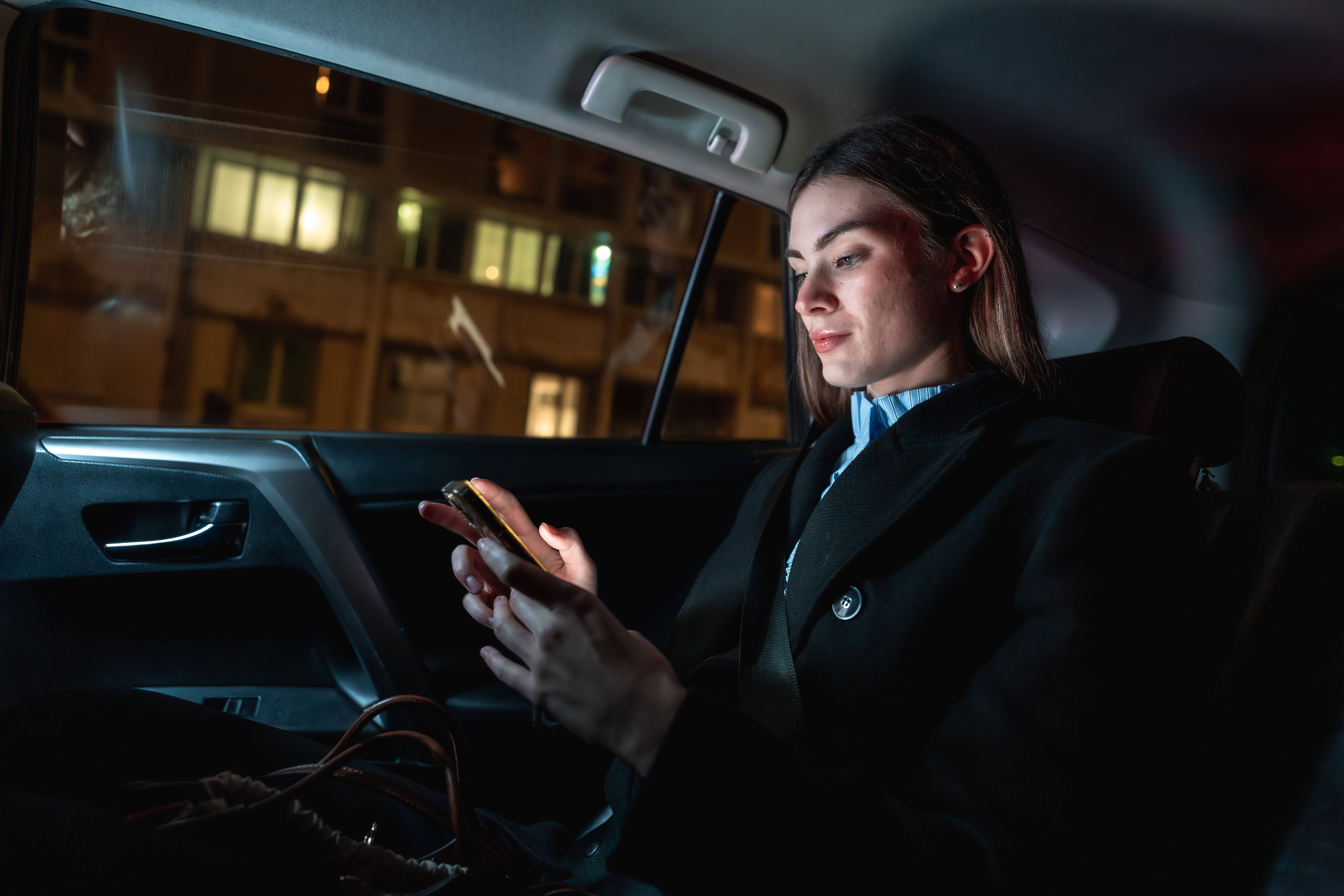
After interviewing drivers, survivors, lawyers, and transportation experts, several reforms stand out as both practical and urgent.
Mandatory In-Car Cameras (with Privacy Safeguards)
Evidence from Australia, parts of Canada, and select taxi jurisdictions shows cameras deter bad behavior from riders and drivers. They provide crucial evidence in investigations, and the presence of cameras reduces false accusations.
Privacy-respecting models include encrypted, tamper-proof video, access only when law enforcement requests it, and automatic deletion after 30–60 days.
Stronger Background Checks
Reforms could include:
- Multi-state, fingerprint-based criminal history searches
- Annual re-screening instead of periodic checks
- Transparent disclosure of screening standards
Real-Time Driver Identification Systems
Uber’s driver selfie-ID checks are a start, but more robust systems could use biometric confirmation, prevent account sharing, and automatically remove drivers with disqualifying conduct.
Clear Work Hour Caps
Nighttime fatigue is deadly. Caps, similar to European models, —could limit total daily driving hours, maximum consecutive night shifts, and heavy late-night bonusing that incentivizes fatigue.
Localized Safety Reporting
Cities need:
- Neighborhood-level incident data
- Crash density maps
- Trends by time of day and season
Without this, policymakers are flying blind.
Better Survivor Support
Many survivors describe delayed corporate replies, lack of clarity about investigations, no mental-health support, and no clear legal guidance.
A standardized approach could include:
- Dedicated survivor liaisons
- Law-enforcement coordination
- Free counseling vouchers
- Better pathways for justice
Back to Alyssa: A System That Failed Her
Three months after her assault, Alyssa still struggles with anxiety. She avoids nighttime rides completely. She now sets her phone to record whenever she enters any rideshare vehicle.
“I loved the flexibility rideshares gave me,” she says. “Now I just feel foolish for ever trusting it.”
Her case remains open. Police told her there was not enough evidence to identify the driver. His real name, whatever it is, never appeared on her ride receipt.
The platform won’t give her any additional information, citing “privacy protections.” “If there had been a camera in the car,” Alyssa says, “none of this would be happening.” She is right.
It’s Time to Stop Pretending These Risks Are Inevitable
Rideshare companies often say incidents are “rare” and that per-mile risk is “comparable to private car travel”. They often say safety improvements are “ongoing”.
All true. And all incomplete.
The reality is this:
Rideshare has become essential infrastructure, but it is not regulated as essential infrastructure.
Nighttime riders, disproportionately women and late-shift workers, are consistently placed at elevated risk. Drivers—tired, undercompensated, and unsupported—navigate chaos with almost no safety net.
This is not an unavoidable consequence of innovation.
Other nations have proven it is possible to run large rideshare networks with stricter oversight and fewer tragedies.
What North America lacks is not capability but political will. We need:
- Mandatory cameras
- Better screening
- Real transparency
- A clear liability framework
- Guaranteed survivor support
- Nighttime safety protocols that recognize the unique risks after dark
Convenience should not come at the cost of human safety.
And the night should not be something we fear more simply because the app we rely on is allowed to take darkness for granted.
The Ride Home Should Never Be the Most Dangerous Part of the Night
The rideshare revolution transformed North America. It made travel easier, mobility more flexible, and urban life more fluid.
But it also built a safety divide, one that becomes most visible in the dead quiet hours between midnight and dawn.
Alyssa’s story—and thousands like it—serve as reminders: the system is flawed, but fixable. The question is whether we are willing to acknowledge the risks that hide in plain sight. As Alyssa puts it:
“I just want to feel safe again. I want the next woman to be safer than I was. ”Nothing could be more reasonable.
Nothing could be more urgent.
Source: Vaziri Law Group
Rideshare safety Uber and Lyft risks Nighttime rideshare dangers Sexual assault in rideshares Rideshare fatalities Urban mobility safety Rideshare regulation Driver fatigue Survivor stories Transportation reform Rideshare background checks In-car cameras Late-night transportation risks Rideshare transparency reports Safety divide
Comments