14Jun
Image Credit: The Mighty/Yahoo.
One of the most extraordinary espionage cases in modern U.S. military history centers on a man who helped build one of America’s most secretive weapons—and later admitted to sharing classified information with China.
A recent feature by Popular Mechanics revisits the remarkable story of Noshir S. Gowadia, a former defense engineer who played a key role in developing the stealth technology behind the legendary Northrop B-2 Spirit bomber.
Federal prosecutors ultimately accused Gowadia of betraying the very program he helped create by providing sensitive military information to Chinese officials and engineers.
The case remains a chilling example of how a single individual with access to highly classified technology can become a national security threat.
The Aircraft That Changed Modern Warfare
To understand the significance of Gowadia's actions, it helps to understand what made the B-2 so revolutionary.
Getty Images.
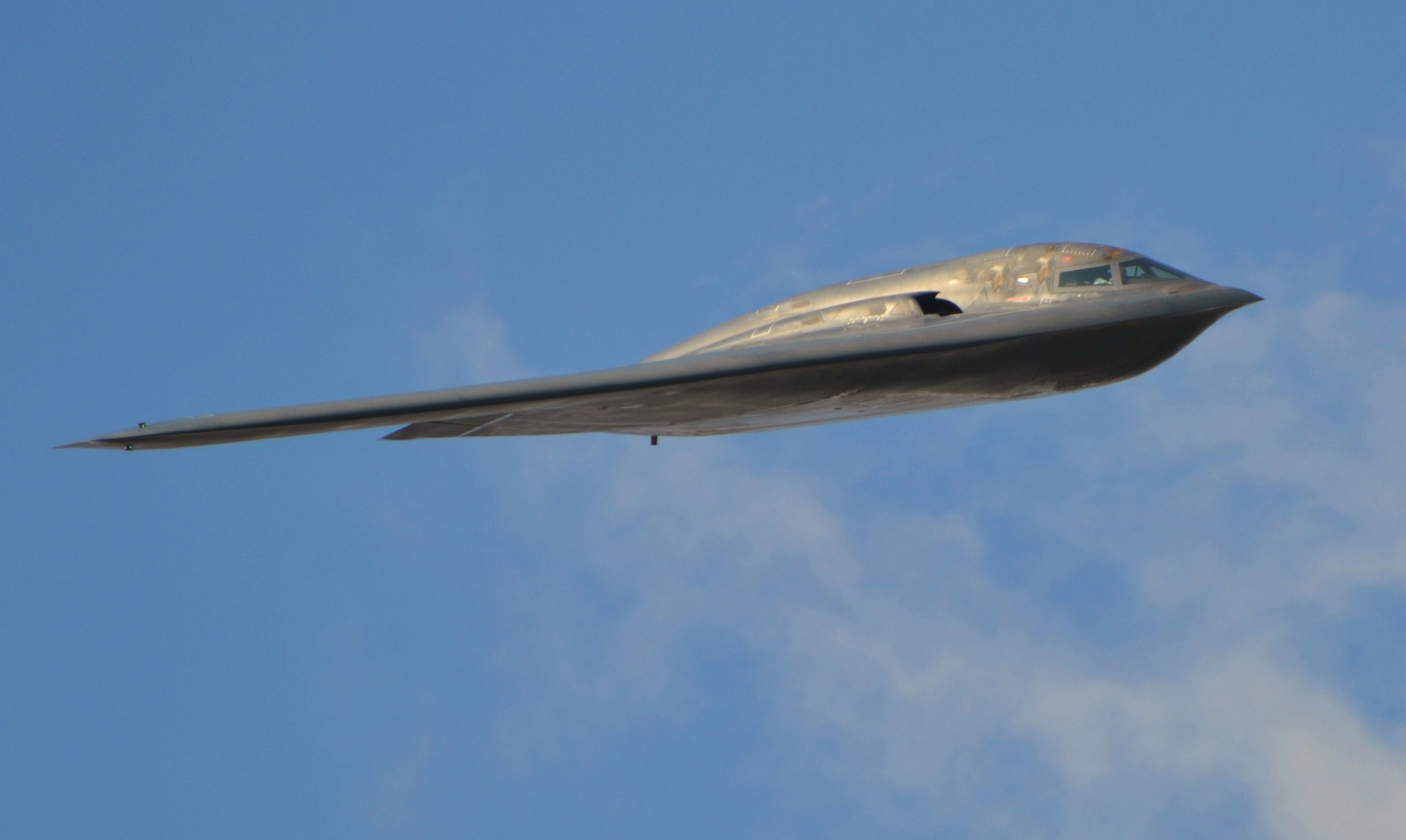
Developed by Northrop Grumman and entering service in the late 1990s, the B-2 Spirit was unlike any bomber that had come before it. Its distinctive flying-wing shape, advanced materials, and stealth engineering allowed it to penetrate heavily defended airspace while remaining extraordinarily difficult to detect.
At a time when most military aircraft could be tracked by radar or targeted using heat-seeking missiles, the B-2 was designed to minimize both threats. Its radar signature was drastically reduced, while sophisticated engine and exhaust systems helped suppress the aircraft's infrared heat emissions.
That combination made the bomber one of the most valuable strategic assets in the U.S. arsenal.
According to government investigators, Gowadia was deeply involved in one of the aircraft's most sensitive technologies: the design of its exhaust system. For seven years, he worked on efforts to reduce the bomber's infrared signature, making it harder for enemy missiles and sensors to detect.
The work was so secretive that Gowadia reportedly operated under the internal code name "Blueberry Milkshake."
From Trusted Engineer to Security Risk
Gowadia's career trajectory changed dramatically during the 1990s. Following a dispute involving defense-related projects, his standing within the U.S. defense establishment declined. By 1997, he had lost his security clearance and was no longer working within the classified programs that had defined much of his career.
Rather than remaining within the traditional defense industry, he established a private consulting business. According to prosecutors, that decision would eventually place him on a path toward espionage.
Investigators alleged that foreign governments sought out Gowadia because of his expertise in stealth technology. Among those interested was China, which at the time was attempting to close a massive technological gap between its military aircraft and those operated by the United States.
In the early 2000s, China's air force still relied heavily on designs rooted in Cold War-era Soviet aviation concepts. Meanwhile, America possessed stealth aircraft capable of striking targets deep inside enemy territory with minimal warning.
The technological disparity was immense—and Chinese intelligence reportedly wanted access to the knowledge that helped create it.
Secret Meetings and Classified Information
Federal prosecutors said Gowadia began working with Chinese officials during the early 2000s. According to evidence presented at trial, he traveled to Hong Kong on multiple occasions in 2003 and 2004, where he met with Chinese representatives and discussed stealth-related technologies.
Authorities alleged that he helped Chinese engineers develop a low-observable exhaust nozzle designed to reduce the infrared signature of a cruise missile. Such technology can make missiles significantly harder to detect and target.
The government also claimed that Gowadia analyzed how Chinese cruise missiles might perform against U.S. air-defense systems and presented those findings to Chinese officials.
Court records further indicated that he traveled to Beijing in 2004 to observe testing associated with the exhaust nozzle project. Prosecutors argued that these activities went far beyond legitimate consulting work and crossed into the transfer of classified military knowledge.
The FBI Investigation
Getty Images.
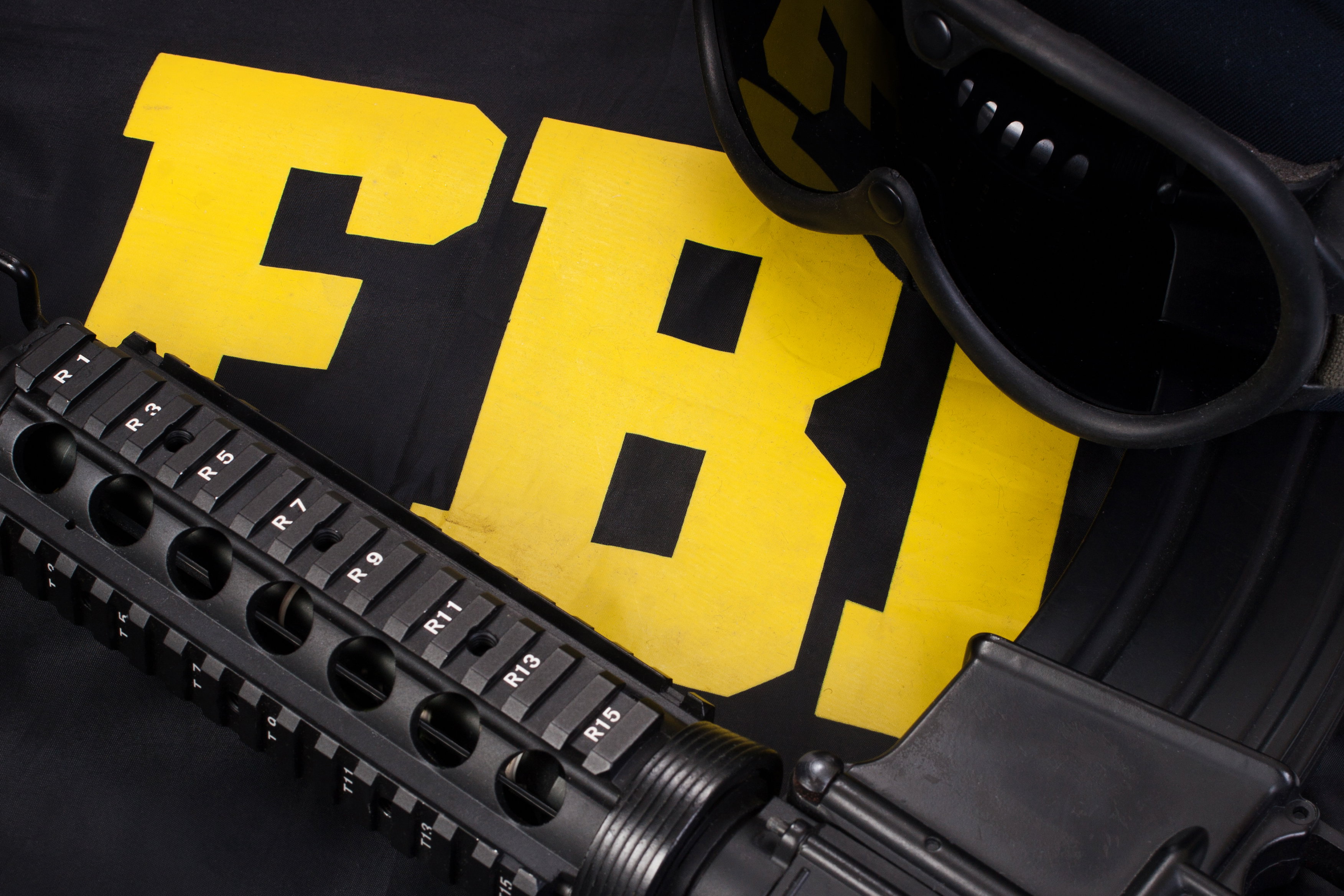
The investigation into Gowadia did not happen overnight. Federal authorities spent years gathering evidence, monitoring activities, and building a case against the former engineer.
Eventually, in October 2005, agents executed a search warrant at his home in Hawaii. Gowadia was arrested and charged with numerous offenses involving classified information and unauthorized defense exports.
The case that followed became one of the most significant espionage prosecutions involving military aerospace technology. In 2010, a jury found Gowadia guilty of multiple charges, including violations of the Espionage Act of 1917 and the Arms Export Control Act.
The conviction carried severe consequences.He was sentenced to 32 years in federal prison and remains incarcerated at USP Florence ADMAX, one of the most secure prisons in the United States.
A Stunning Admission
Perhaps the most damaging evidence in the case came from Gowadia himself. Following his arrest, he signed a statement acknowledging his conduct and expressing regret. According to documents cited in the Popular Mechanics report, Gowadia wrote:
"On reflection what I did was wrong to help the PRC make a cruise missile."
He went further, adding:
"What I did was espionage and treason because I shared military secrets with the PRC."
Those words became a defining moment in a case already filled with extraordinary allegations.
China's Stealth Future
The long-term impact of Gowadia's actions remains difficult to measure precisely.
China has never publicly acknowledged receiving assistance derived from classified U.S. technology, and many of its aerospace advances stem from decades of domestic research and development.
Still, the timing has drawn attention from military analysts. In 2016, China publicly unveiled plans for the Xian H-20, a stealth bomber that many observers say bears a striking resemblance to the B-2 Spirit and the newer Northrop Grumman B-21 Raider.
Getty Images.
While the exact capabilities of the H-20 remain unknown, defense experts believe it could significantly expand China's long-range strike capabilities throughout the Pacific region.
For U.S. officials, the Gowadia case remains a cautionary tale: a reminder that some of America's most closely guarded military advantages can be compromised not by enemy armies, but by trusted insiders willing to sell what they know.
As Popular Mechanics notes, one of the engineers who helped make the B-2 nearly invisible ultimately became the center of an espionage scandal that continues to echo through the world of military aviation decades later.
Source: Popular Mechanics
Noshir Gowadia B-2 stealth bomber espionage China military secrets stealth technology leak Northrop Grumman spy case US defense engineer treason B-2 Spirit classified information Chinese cruise missile development Arms Export Control Act violation Espionage Act case 2010 Blueberry Milkshake code name Xian H-20 stealth bomber comparison FBI counterintelligence Hawaii arrest USP Florence ADMAX prisoner military insider threat
Comments