01Feb
When Winter Storm Fern rolled across the northeastern United States this January, it arrived the same way these storms always do. Heavy snow, icy slush, wind that somehow finds its way through every jacket, and the universal dread of knowing you are about to shovel. Again. And again.
Most homeowners did exactly what you would expect after a winter storm warning. They layered up, fired up their gas snow blowers, or braced themselves behind a shovel and hoped their backs would forgive them by spring.
Tom Moloughney did none of that. Instead, the New Jersey resident stayed indoors, coffee mug in hand, watching a small, tracked robot crawl methodically across his driveway, quietly chewing through fresh snowfall like it had something to prove.
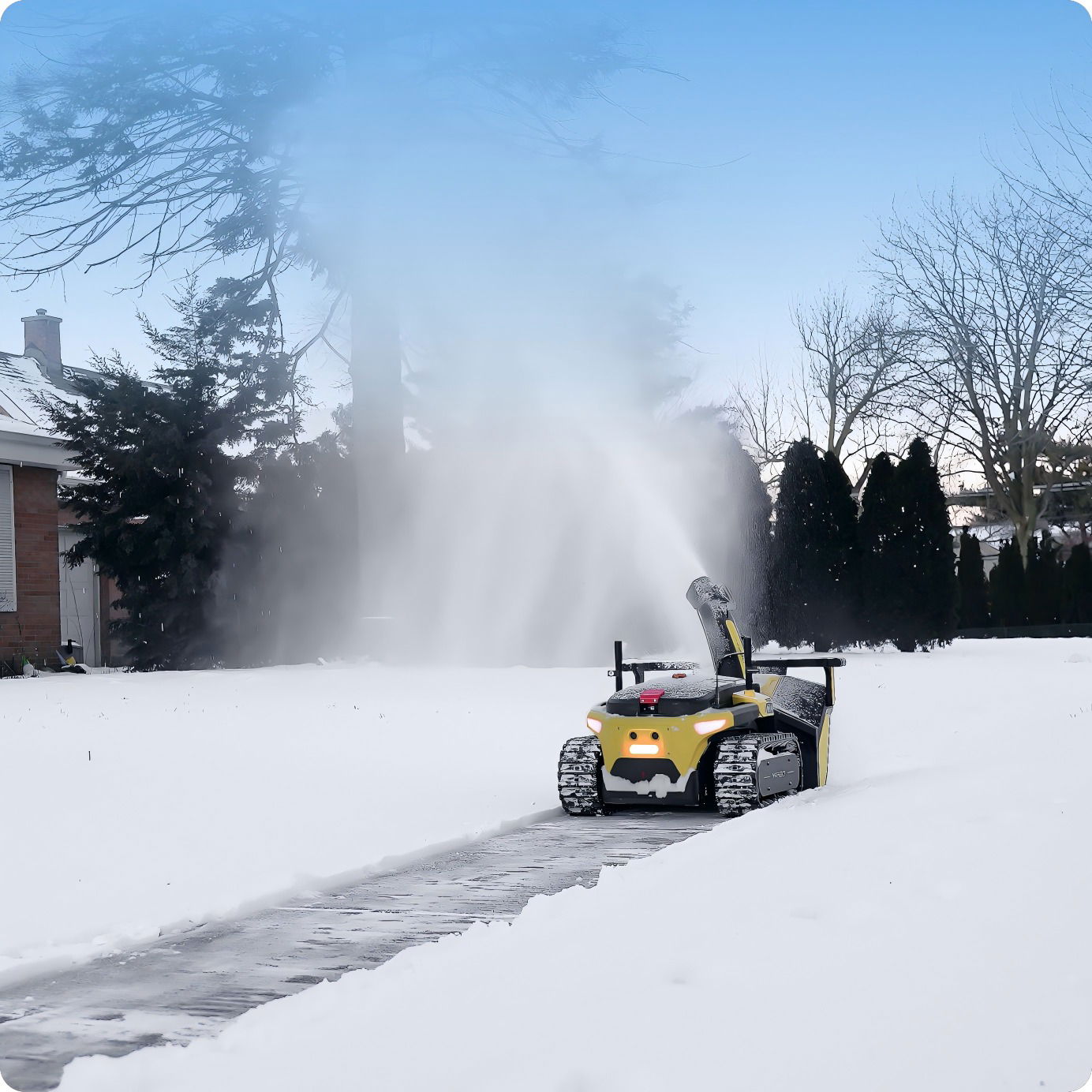
The machine doing all the work was the Yarbo autonomous snow blower, a roughly $5,000 piece of winter tech that looks like a robotic tank designed by someone who really hates cold weather. Moloughney, a tech reviewer and host of the YouTube channel State of Charge, filmed the robot doing its thing and shared the clip online.
The internet responded exactly how you would expect. At last count, the video racked up more than 1.5 million views and hundreds of comments ranging from “this is the future” to “I need this yesterday.” “It’s definitely a 21st-century way to beat winter,” Moloughney joked. And judging by the response, a lot of people watching felt the same way.
The Snow Blower You Don’t Have to Push
If you grew up around traditional snow blowers, the Yarbo feels almost alien. There is no handle to grip, no engine roaring inches from your ears, and no frantic tugging on a pull cord that refuses to cooperate in sub-freezing temperatures.
Instead, this thing runs on batteries, sensors, and software.
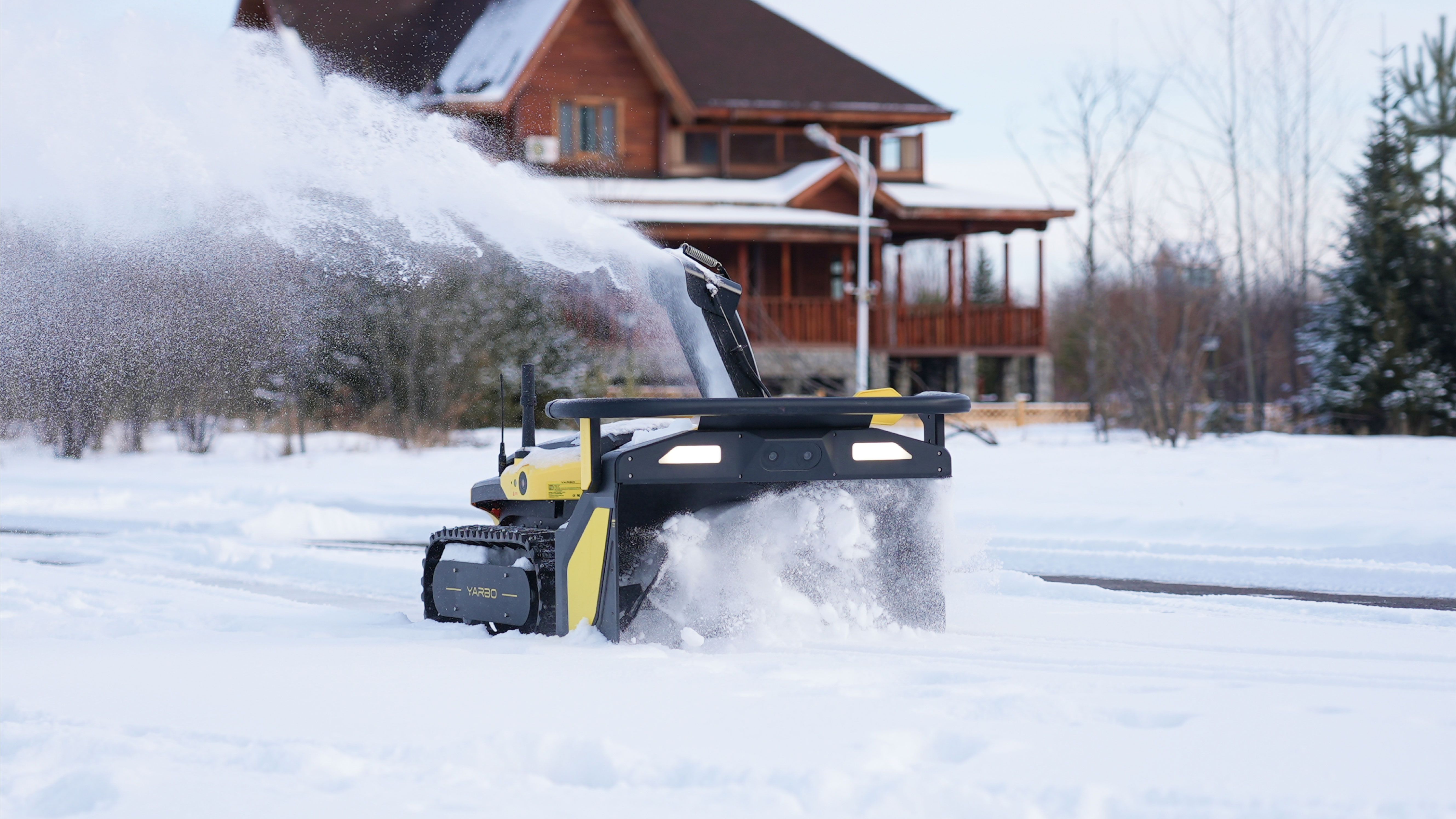
The Yarbo snow blower attachment features a 24-inch clearing width and is rated to handle snow depths of up to 12 inches in a single pass.
It can throw snow as far as 40 feet, which is more than enough to keep driveways and walkways clear without building those annoying snow walls that appear overnight.
Its most distinguishing feature is autonomy. Once mapped and set up, the robot can be programmed to clear specific areas, follow defined paths, and repeat passes throughout a storm. When its battery runs low, it does not stop and wait for help.
It returns to its charging dock on its own, tops up, and heads back out like nothing happened.
In Moloughney’s case, that meant the robot worked continuously across a long, curved driveway while he monitored progress from inside using a smartphone app.
No gloves. No boots. No numb fingers. That alone explains why the video resonated so widely.
Setup Is the Price of Comfort
Of course, there is no free lunch in automation.
Moloughney has been open about the fact that setup can be fiddly. Mapping your driveway before or during winters storm, defining boundaries, configuring routes, and making sure everything behaves as intended takes time.
In other words, this isn't something you unbox five minutes before a storm and expect perfection.
Sensors also have limits.
Deep powder? No problem. Heavy, wet snow? Still manageable. But solid ice is another story. In one storm, Moloughney noted that a sheet of ice across part of his driveway stopped the robot cold.
At that point, even a $5,000 machine has to admit defeat. That reality check matters. Autonomous snow blowers are impressive, but they are not magic. They are tools, and like all tools, they work best within certain conditions.
Why We're Interested
A snow blower might seem out of place on an automotive-focused site. But the connection is unmistakable. Autonomy, electrification, sensors, and software-driven operation are the same themes reshaping cars and trucks right now.
The Yarbo feels less like lawn equipment and more like a low-speed self-driving vehicle that just happens to throw snow.
It uses tracked propulsion similar to off-road vehicles, relies on obstacle detection and route planning, and integrates with an app that feels more Tesla than Toro. In a way, it is a glimpse at how automation creeps into everyday chores long before it fully takes over highways.
Yarbo vs. Traditional Snow Blowers
To understand whether something like the Yarbo makes sense, it helps to compare it to the machines most people already know.
Gas-powered snow blowers
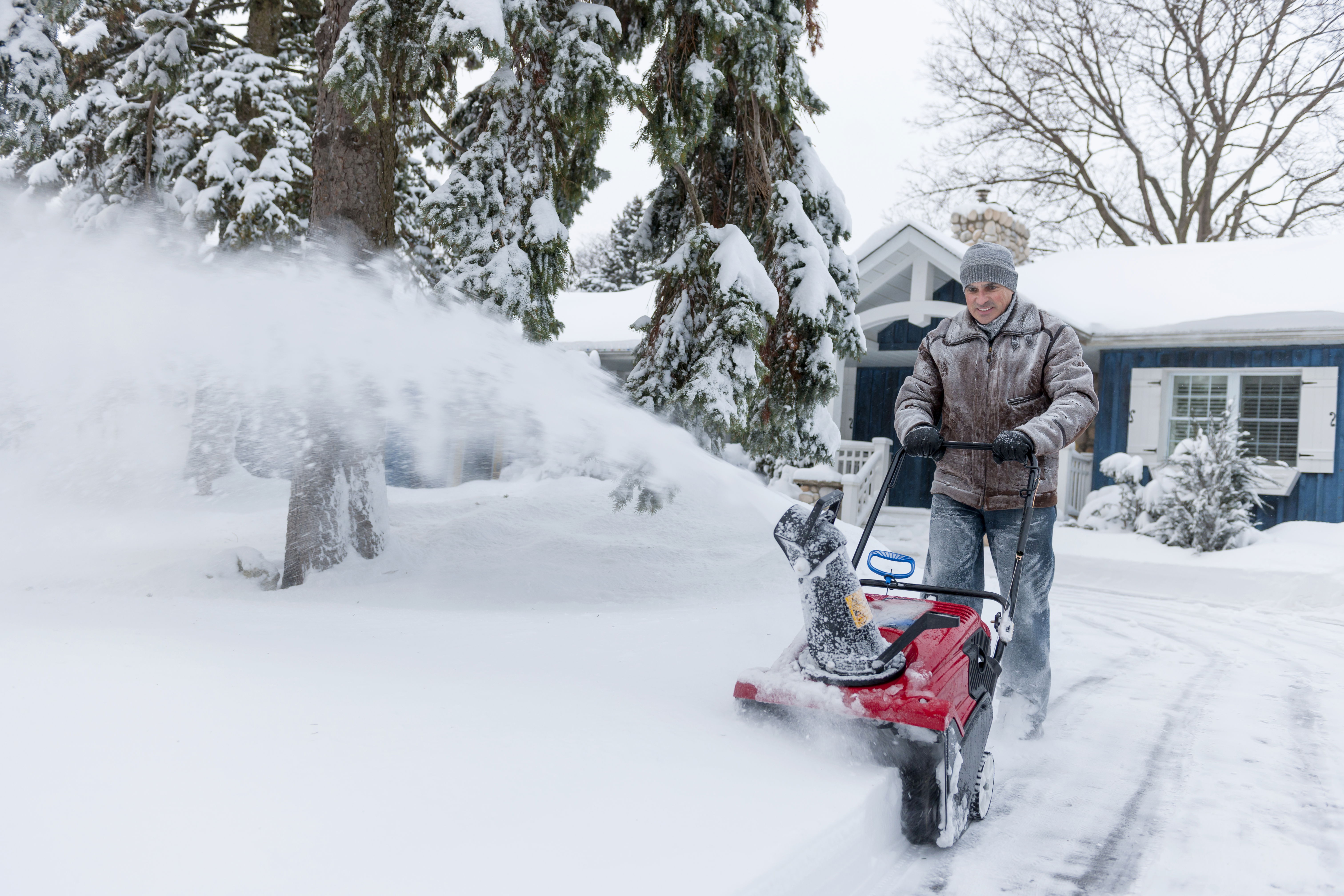
These are still the kings of brute force. Two-stage and three-stage gas models can handle deep snow, ice, and long driveways with ease. They are also loud, smelly, and require regular maintenance. Oil changes, spark plugs, fuel stabilizers, and cold starts are all part of the deal.
Electric corded snow blowers
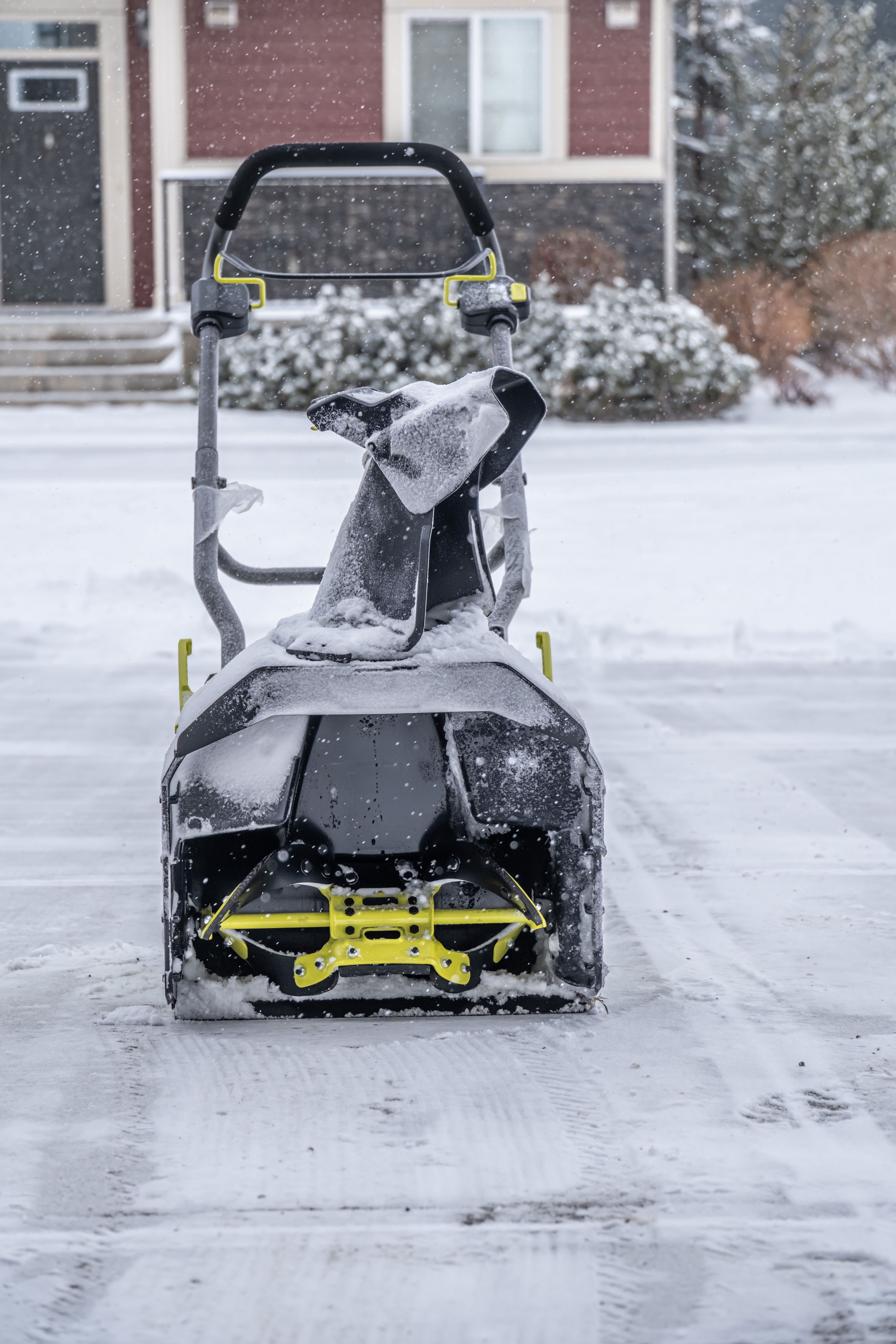
Affordable and lightweight, these work well for small areas and light snow. Their biggest limitation is range. Extension cords and heavy snowfall do not mix well.
Battery-powered walk-behind models
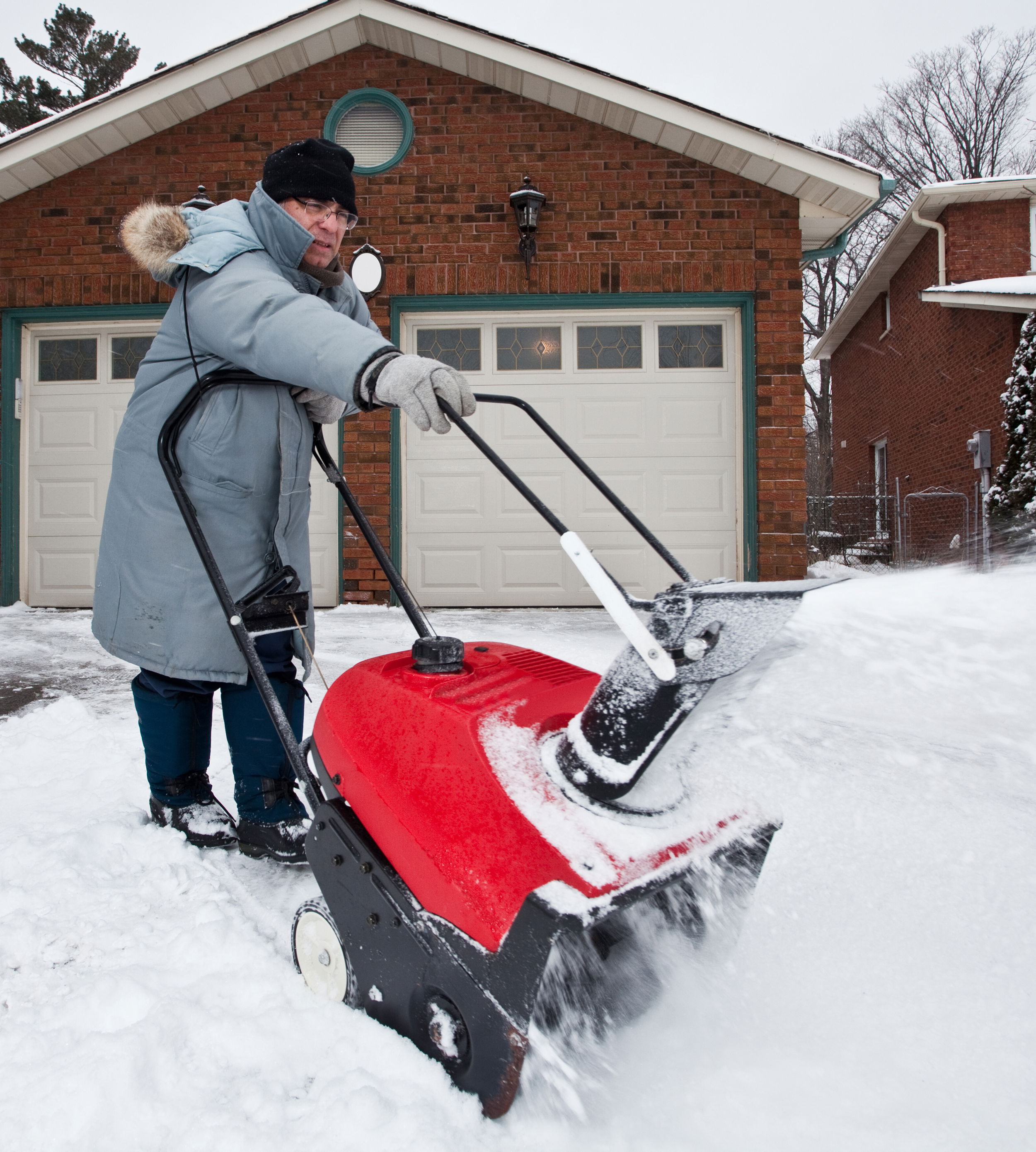
This category has exploded in recent years. Brands like EGO, Snow Joe, Greenworks, and Ryobi offer cordless snow blowers that are quieter, easier to start, and surprisingly capable.
They still require you to be outside pushing them, but for many homeowners, they hit the sweet spot between convenience and cost. The Yarbo does not replace all of these. It creates a new category entirely.
Robotic and Semi-Autonomous Snow Options
Yarbo is not alone in trying to automate snow removal, though it is one of the most polished and powerful options currently available.
Smaller autonomous snow robots
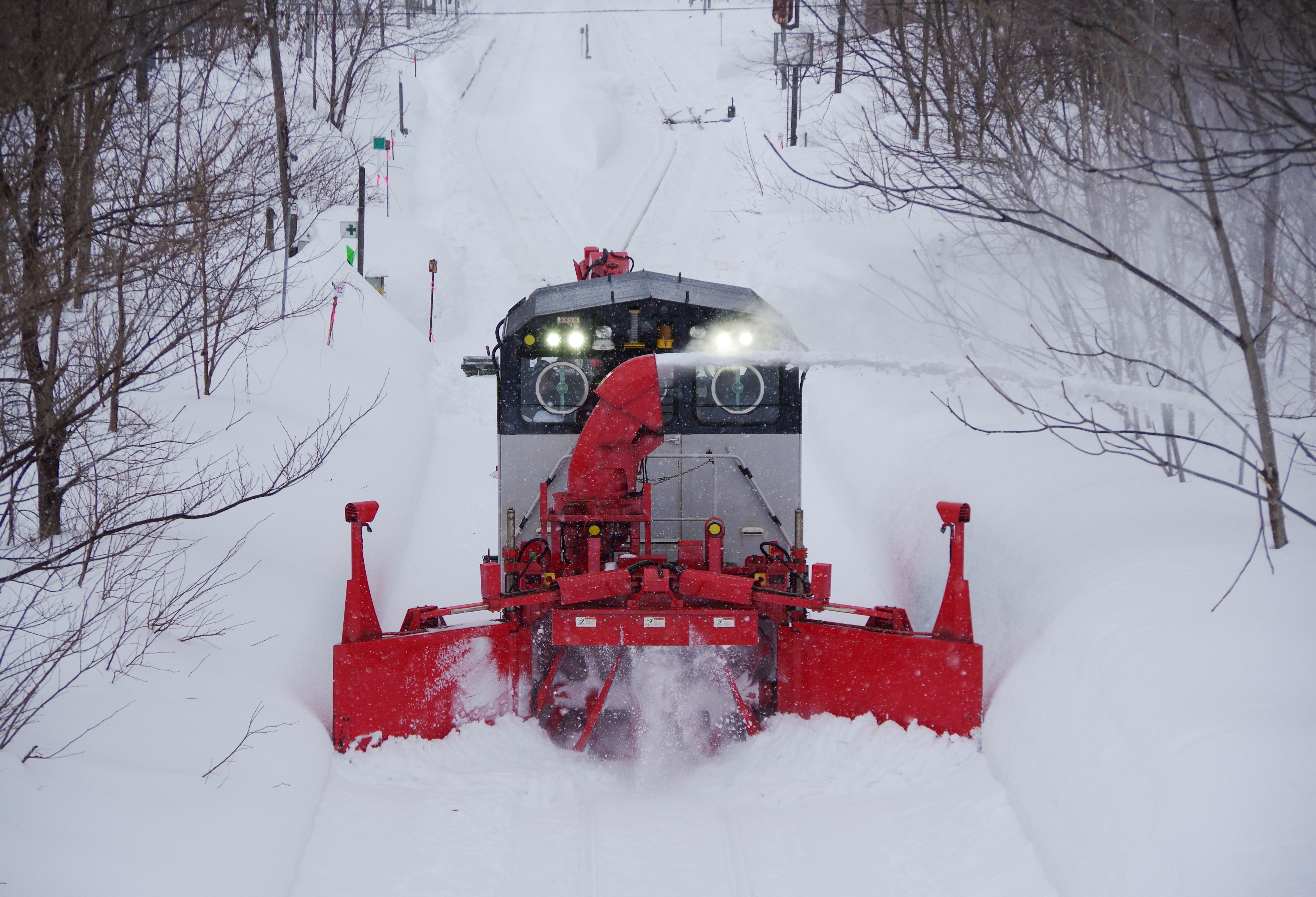
A handful of startups have introduced compact robotic snow blowers designed for smaller driveways and sidewalks.
These machines focus on obstacle avoidance and basic route following, but they typically have narrower clearing widths and limited snow-throwing distance. They are better suited for light snow and flat surfaces.
A strong example is the SnowBot S1 by Hanyang Robotics — it’s more compact than the Yarbo, designed for residential driveways and walkways, and offers autonomous navigation with LiDAR sensors and app control.
Remote-controlled snow blowers
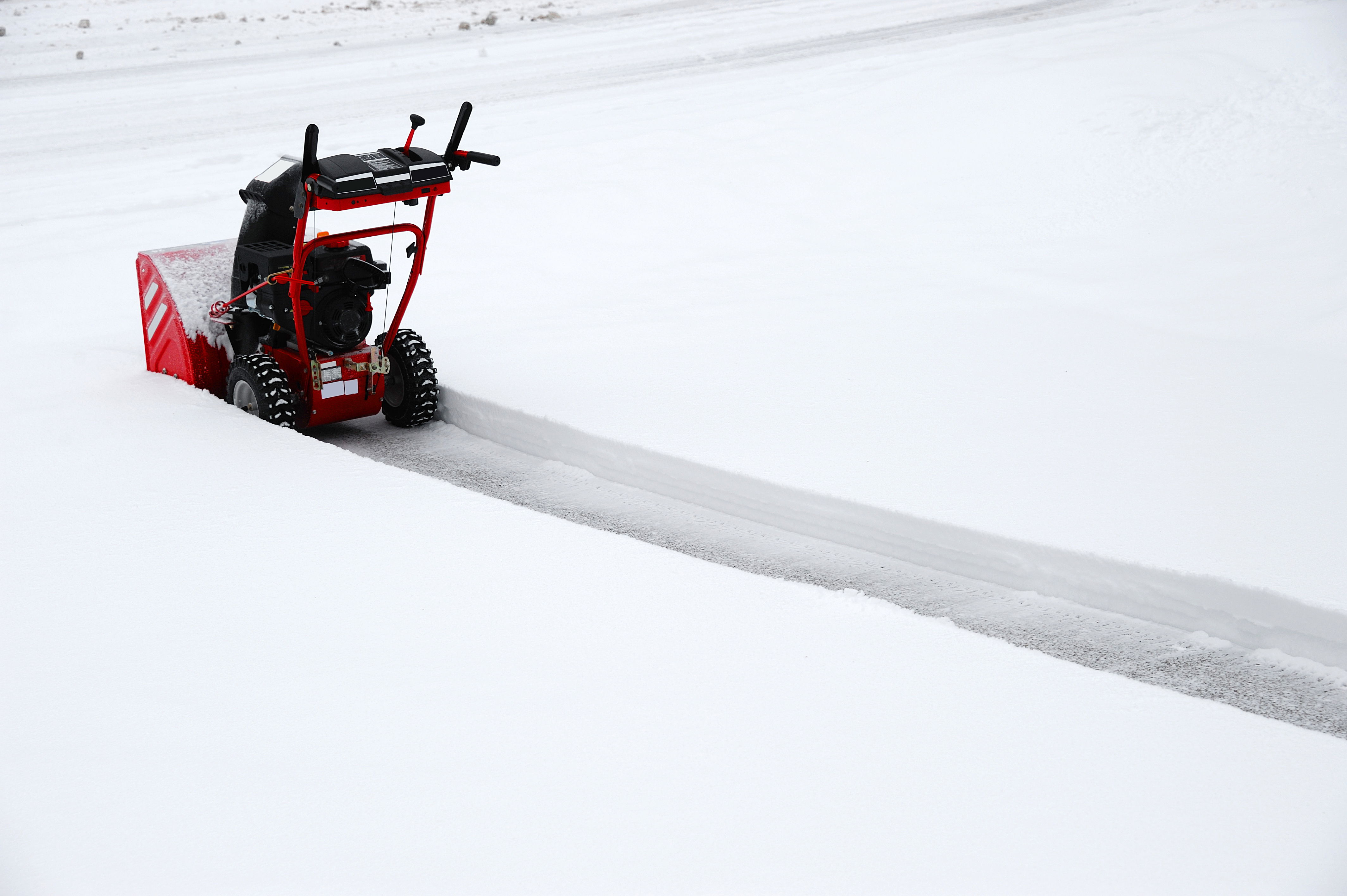
These are an interesting middle ground. Instead of autonomy, you control the machine using a remote while standing safely off to the side or inside a garage. They are less expensive than fully autonomous systems and offer plenty of power, but you still need to actively operate them.
A fine example is the HENGWANG HW‑224 Snow & Lawn Crawler Mower, which doubles as a remote-controlled snow blower. It combines a gasoline engine with battery support and can be maneuvered via handheld remote.
Modular platforms like Yarbo
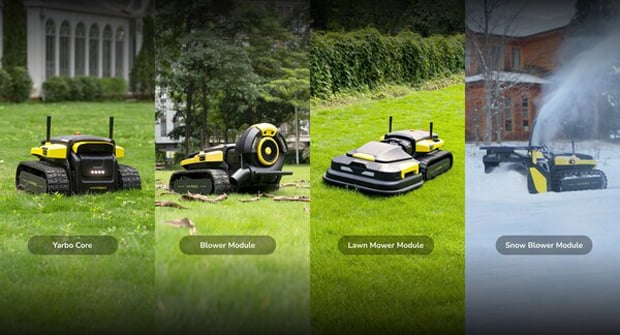
One of Yarbo’s strongest selling points is that the snow blower is just one attachment. The same tracked base can be fitted with lawnmowing and leaf-blowing modules, turning it into a year-round yard robot rather than a seasonal novelty.
That modular approach makes the price easier to justify if you use it beyond winter.
The even more expensive Yarbo modular robot is an all‑season yard master that lets you swap modules for year‑round tasks such as mowing, leaf blowing, or snow removal.
Its lawn mower module can handle up to 6.2 acres with patented tracks that manage slopes of up to 70% and an advanced obstacle detection system.
The snow blower module is a 2‑stage cordless electric unit with a 24‑inch cleaning width, fast charging capability from 20% to 80% in 1.5 hours, remote control operation, and performance on slopes up to 36%.
The leaf blower module uses a powerful 2000W variable‑speed motor to clear 99% of debris, including thick or rain‑soaked piles, delivering airflow far stronger than typical handheld blowers.
The Price is Right?
Most people watching Moloughney’s video are not immediately rushing out to spend $5,000 on a robotic snow blower. What they are doing is rethinking how miserable winter maintenance has been for years.
That curiosity opens the door to more accessible alternatives. Battery-powered snow blowers with wide clearing paths, long-lasting batteries, and strong throw distance are often the next step.
Many of the best-selling models online clear between 18 and 24 inches wide, handle 8 to 12 inches of snow, and offer throw distances in the 20 to 40-foot range. Sound familiar? Others might look at heated gloves, electric snow shovels, or compact single-stage blowers that are easier to store and quicker to deploy.
None of those are direct replacements for Yarbo, but they all address the same pain point.
Is $5,000 Too Much for Not Shoveling?
There is no avoiding the price conversation.
At just under $5,000, the Yarbo costs more than many used cars. The mental image of an aging crossover sitting unloved at a corner dealership comes to mind very quickly when you say the number out loud.
But price only tells part of the story. For homeowners with large driveways, frequent snowfall, physical limitations, or simply a deep hatred of winter labor, the math can shift.
Add up years of paying for plowing services, equipment maintenance, or even medical bills from slips and strains, and suddenly automation feels less ridiculous. That does not mean it is for everyone. It means it exists for a very specific kind of buyer.
A Glimpse of the Future, One Driveway at a Time
Autonomous snow blowers are still early. They are expensive, imperfect, and limited by conditions. But they are also real, working machines already clearing driveways today.
What makes Moloughney’s video so compelling is the normalcy. A robot doing an unpleasant task while a human stays warm and relaxed inside feels inevitable once you see it.
If this is where winter maintenance is headed, the shovel might finally be on borrowed time. And if a little tracked robot rolling through a snowstorm while its owner enjoys a hot drink does not make you smile, winter might have already won.
Comments