14May
For millions of Americans, a train arriving several minutes behind schedule is considered normal. In Japan, even a delay lasting barely longer than a commercial break can lead to repeated apologies from railway staff and official paperwork explaining the disruption.
That cultural difference left one foreign tourist astonished during a visit to Tokyo. The traveler later shared the experience online in a post that captured widespread attention for revealing how seriously punctuality is treated in Japanese society.
According to the account, the tourist was riding a commuter train through Tokyo when it unexpectedly stopped between stations. Passengers heard an announcement in Japanese before an English translation informed riders there would be a short delay.
The interruption lasted only three minutes and 20 seconds. Yet when the train resumed movement, staff apologized again and described the delay as unacceptable, stunning a visitor accustomed to far looser standards in public transportation systems abroad.
Tokyo Station Staff Hand Out Official Delay Certificates
The most surprising moment came after passengers exited the train. The tourist said station workers stood on the platform bowing to commuters while distributing official delay certificates documenting the disruption.
In Japan, these slips are commonly issued by railway companies whenever trains run behind schedule. Known locally as delay certificates, they serve as formal proof that a passenger arrived late because of transit problems rather than personal irresponsibility.
The document handed to the tourist reportedly listed the precise delay time of three minutes and 20 seconds. It also carried an official stamp and signature from the railway operator, giving the paper the appearance of an important administrative record rather than a casual apology note.
The traveler initially accepted the certificate out of curiosity. A station employee then explained in English that commuters often show the papers to employers or schools, so supervisors understand the lateness was beyond their control.
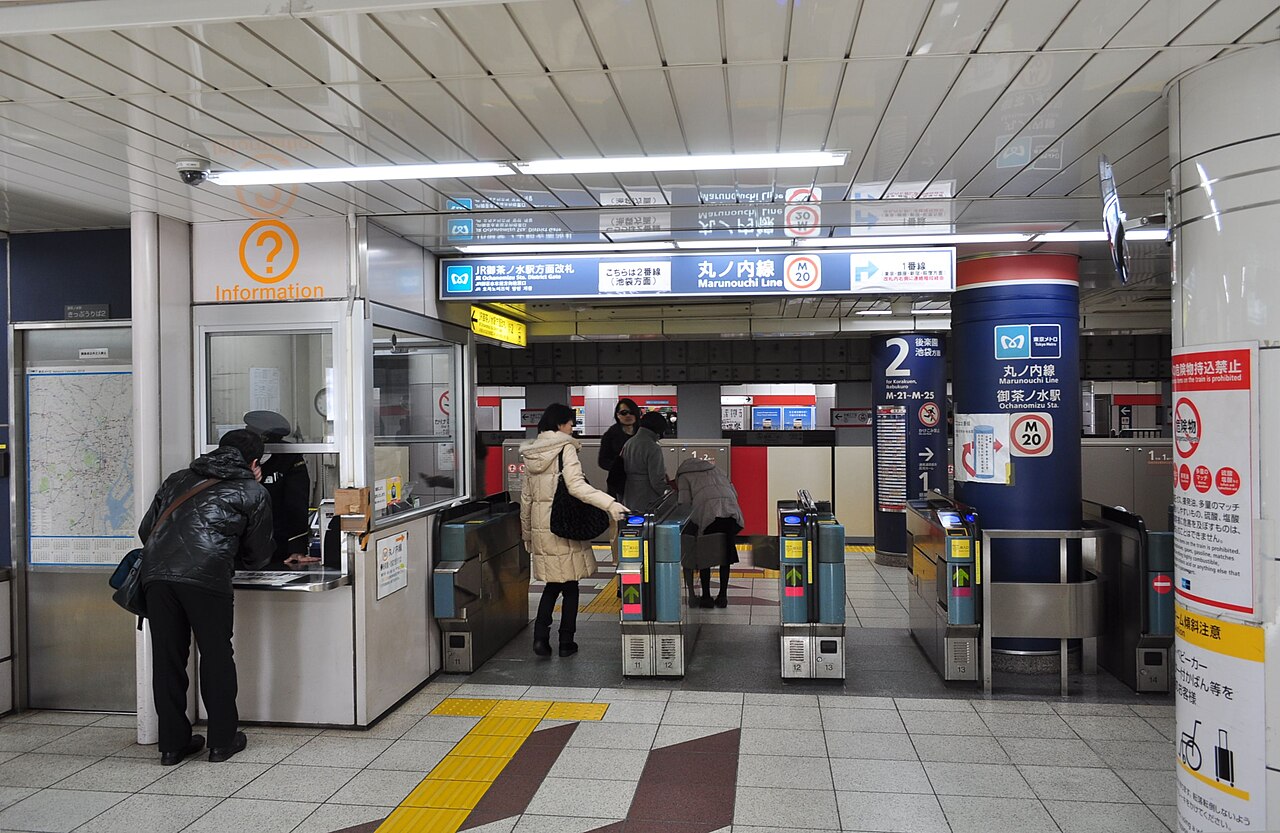
When the tourist responded that he was only visiting Japan and had no employer waiting for an explanation, the employee appeared genuinely puzzled. According to the account, the worker replied that the delay had still inconvenienced the passenger and therefore deserved an apology.
For many readers outside Japan, that reaction felt almost unimaginable. In numerous countries, passengers experiencing delays are often left frustrated by vague announcements, missing information, or little acknowledgment from transportation providers.
Why Punctuality Holds Such Importance in Japan
Japan’s rail network is widely regarded as one of the most reliable transportation systems in the world. Trains in cities such as Tokyo, Kyoto, and Yokohama frequently operate with astonishing precision despite carrying enormous numbers of passengers every day.
That efficiency is tied closely to Japanese cultural expectations surrounding discipline, respect, and responsibility. Time is often viewed not only as personal property but also as something shared collectively with others.
A late train therefore does not simply inconvenience one rider. It can affect office meetings, school schedules, connecting transportation, and countless daily obligations across an interconnected urban system.
Because of this, railway operators are expected to maintain extremely high standards. Even relatively small disruptions can trigger internal reviews to determine exactly why the delay occurred and whether similar incidents can be prevented in the future.
The tourist later discussed the episode with a Japanese friend, who reportedly explained that a delay lasting three minutes and 20 seconds would likely receive serious attention from railway officials. Investigators might examine operational timing, track conditions, passenger flow, or communication procedures to identify the cause.
That level of accountability reflects a broader social attitude in Japan where excuses are often viewed unfavorably. Instead of minimizing mistakes, companies and employees are generally expected to acknowledge problems directly and work toward eliminating them.
A Different View of Public Service
The viral story resonated strongly online because it highlighted a striking contrast with public transportation experiences in many American cities. In parts of the United States, delays stretching far beyond three minutes are so common that passengers sometimes expect disruptions before beginning a commute.
Japanese rail culture presents a different philosophy. Transportation providers are not merely moving people from one destination to another. They are also maintaining trust with the public through consistency, transparency, and visible accountability.
Even the act of bowing on the station platform carried symbolic weight. It communicated that inconveniencing passengers, even briefly, was taken seriously by the railway staff. For the tourist, the certificate became more than a novelty item collected during international travel.
Framed inside the traveler’s apartment, the document now represents an encounter with a society where precision matters deeply, apologies are offered sincerely, and a delay lasting only three minutes and 20 seconds is considered important enough to deserve formal acknowledgment.
Japan trains Tokyo train delay Japanese culture Japanese rail system Tokyo tourism train delay certificate Japan punctuality viral travel story public transportation Japanese society Tokyo commuters Japan travel experience railway apology viral X post Japanese customer service train punctuality travel news cultural differences Japan railways commuter culture
Comments