07Jul
You test drive it. You fall in love with the leather, the badge, the way it hugs the corners. You sign the papers, feeling pretty good about yourself. Then, about a year later, a check engine light comes on, and the quote from the dealership makes you want to sit down for a minute.
This is the part nobody tells you about when you're shopping for a luxury or performance car: the sticker price is just the entry fee. The real cost of ownership shows up in oil changes that run into the hundreds, suspension components that fail on a schedule, and parts that have to be shipped in from overseas because your local shop has never even seen one before.
Below, we're breaking down the cars and brands that consistently rank as the most expensive to keep on the road, why they cost so much, and what you can expect to pay if you decide one is worth it anyway.
Why Luxury and Performance Cars Cost So Much to Maintain
Before we get into specific models, it helps to understand what's actually driving these costs up.
Specialized parts.
A lot of luxury and exotic brands don't share components across the industry the way mainstream automakers do. When a part fails, it often has to be sourced directly from the manufacturer or imported, and that limited supply chain means you pay a premium.
Skilled labor.
Not every mechanic can work on a Porsche or a Bentley. Technicians who are trained on these systems are rarer, and their time costs more. A job that might take an hour on a Honda can take three or four hours on something built with tighter tolerances and more complex electronics.
Advanced technology.
Air suspension, adaptive dampers, twin-turbo engines, and elaborate infotainment systems all promise comfort and performance, but they also multiply failure points. More systems mean more things that can eventually break, and each one tends to be expensive to diagnose and fix.
Premium materials.
Bigger brakes, performance tires, and handcrafted interiors all cost more to replace than their everyday counterparts. A set of performance tires built for a sports car can run several times what you'd pay for standard all-seasons.
Now let's get into the specific cars and brands.
Porsche 911 and the Porsche Lineup
GettyImages.
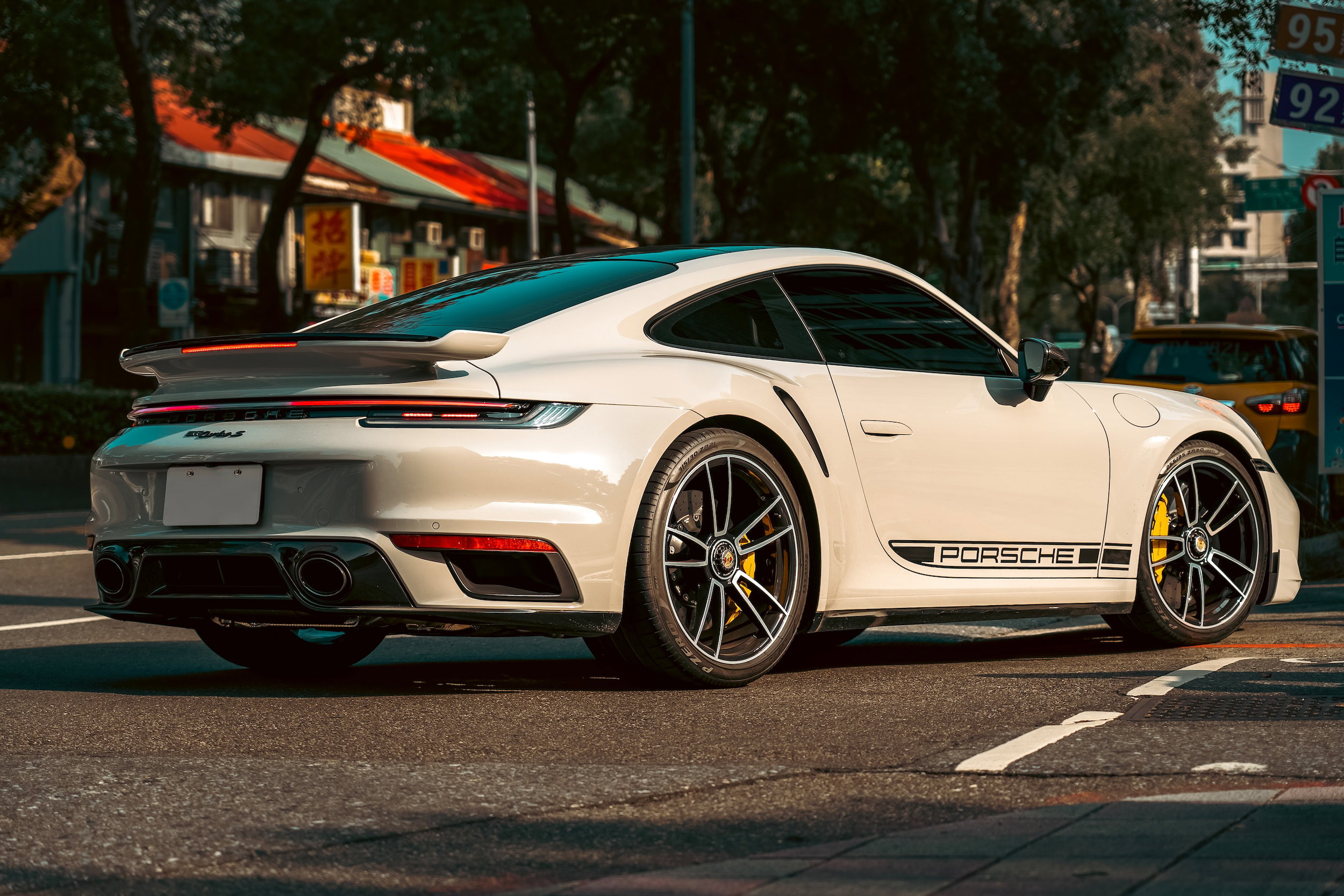
Porsche consistently lands near the top of every maintenance cost list, and owners tend to accept it as part of the deal. A basic oil change on a 911 can run $400 to $600, mostly because the engine requires specialized synthetic oil and the labor demands precision. Every component on this car is built for performance, which means there aren't many generic, budget-friendly parts to fall back on.
Tires alone can run $250 to $400 each because they need to be specific high-performance compounds. A transmission fluid change can cost around $1,500, and something as routine as a brake fluid flush can run $400. Even the "affordable" Porsche, the Cayenne SUV, still runs $1,500 to $2,000 a year in routine upkeep.
If something more serious goes wrong, like suspension or transmission work, you're looking at five-figure repair bills without much warning. According to ConsumerAffairs, Porsche owners spend an average of $1,200 to $1,500 annually on maintenance and repairs.
Land Rover Range Rover
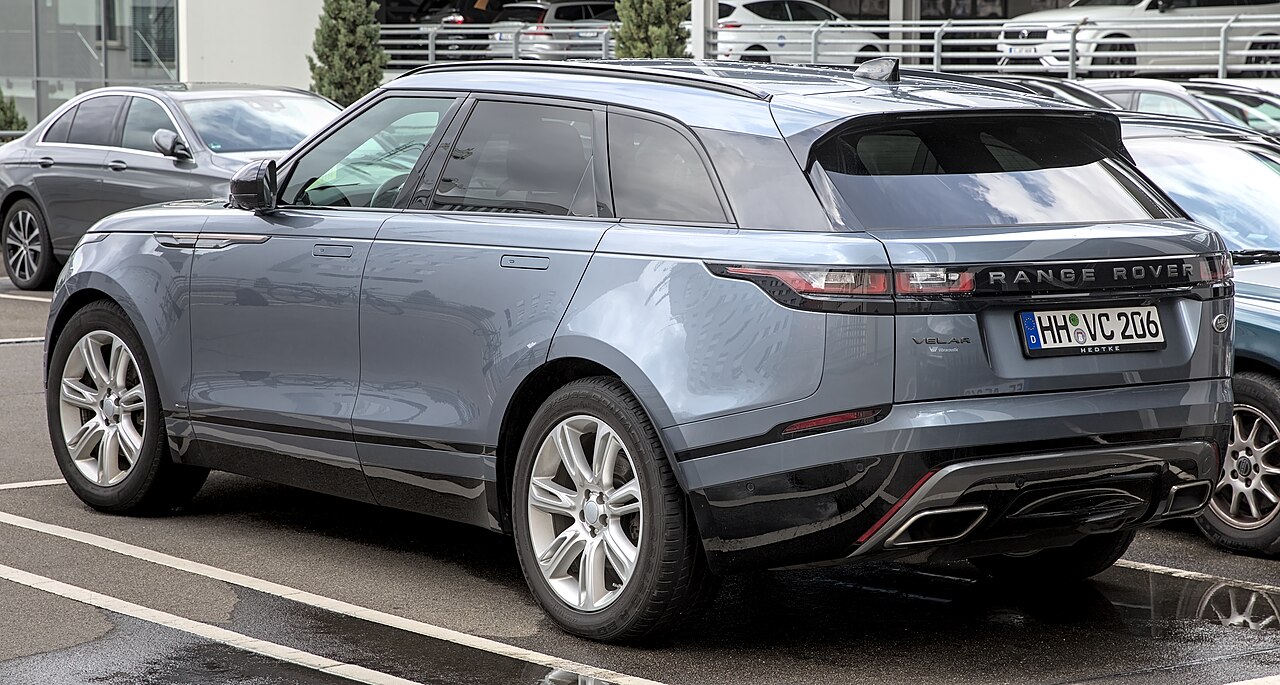
Image Credit: Alexander Migl - Own work, CC BY-SA 4.0, Wikimedia.
Land Rover shows up at or near the top of nearly every industry ranking, and it's not just because of cost. It's because of frequency. According to CarEdge, a Land Rover Range Rover will cost about $19,749 for maintenance and repairs during its first 10 years of service.
The Range Rover is known for electrical gremlins, sensor malfunctions, and cooling system issues that pop up more often than owners would like. Its air suspension system is particularly delicate, and fixing it isn't cheap.
Annual maintenance often lands between $1,200 and $2,500, but that figure doesn't capture the unpredictability. Because the drivetrain and off-road systems are so complex, repairs frequently require special diagnostic tools that only certain shops carry, which pushes both the cost and the wait time significantly higher.
BMW 7 Series and Mercedes-Benz S-Class
G12 7 Series Facelift / '24 S-Class Black Series. Image Credit: Wikimedia, Mercedes-Benz.
These two flagship sedans get compared constantly, and for good reason. Both pack in nearly every luxury feature imaginable, and both carry a maintenance bill to match. The BMW 7 Series commonly runs $1,200 to $1,800 a year, with air suspension failures and infotainment system glitches among the most common (and most expensive) repairs.
The Mercedes S-Class isn't far behind, typically running $1,300 to $2,000 annually. Its Active Body Control suspension system is one of the most failure-prone parts on the car and replacing it can cost thousands.
Transmission repairs are another recurring expense, and because the car is so technically dense, labor charges run well above what you'd pay on a standard sedan.
On both cars, air suspension corners alone can cost $2,500 to $4,000 to replace, which gives you a sense of scale when something on the lower end of the car needs attention.
Audi A8
D5 Audi A8. Image Credit: Alexandar Migi, Wikimedia.
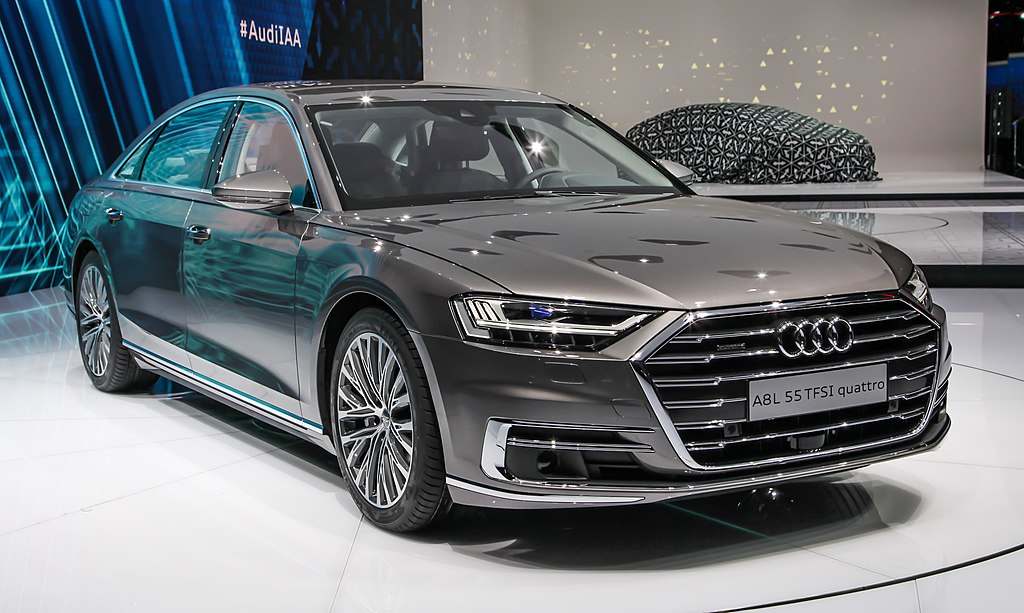
The Audi A8 rounds out the German luxury sedan group, typically running $1,200 to $1,900 a year in maintenance. Its all-wheel-drive system and adaptive air suspension are impressive on paper, but they add real cost when it's time for repairs.
RepairPal notes the A8 costs an average of $1,000 to $1,300 a year in maintenance and repairs, and that over a 10-year period, cumulative expenses total roughly $10,200, which is slightly higher than the luxury sedan.
Issues with the MMI infotainment system, brakes, and turbo components tend to escalate quickly, and like its German counterparts, it generally needs to be serviced at a specialized shop rather than your neighborhood garage.
Mercedes-Maybach
'23 Maybach S680 Haute Voiture. Image Credit: Maybach.
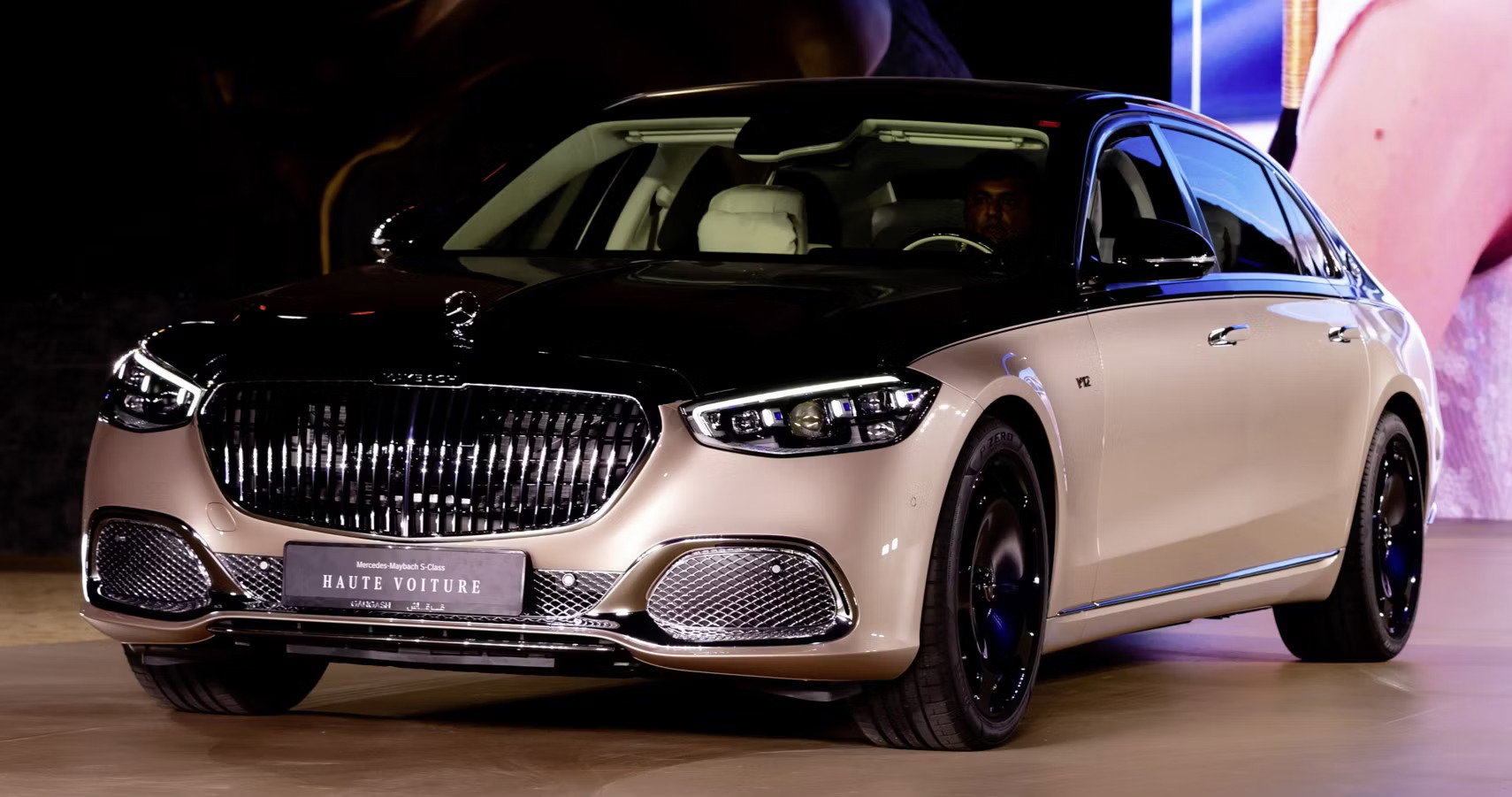
If the S-Class is expensive, the Maybach takes it a step further. This is Mercedes' ultra-luxury line, and it comes with handcrafted details and bespoke components that push routine maintenance to around $2,000 a year on its own.
MercedesBlog notes that the Maybach averages $1,500 to $3,000 for routine Service A and Service B visits. However, in years requiring major replacements (like Airmatic suspension struts or V12 spark plugs), annual costs can spike to $3,000 to over $6,000.
Because many parts are imported directly from Germany and some are essentially custom-made, sourcing a replacement can take time and money that a mainstream luxury car simply doesn't require.
Ferrari
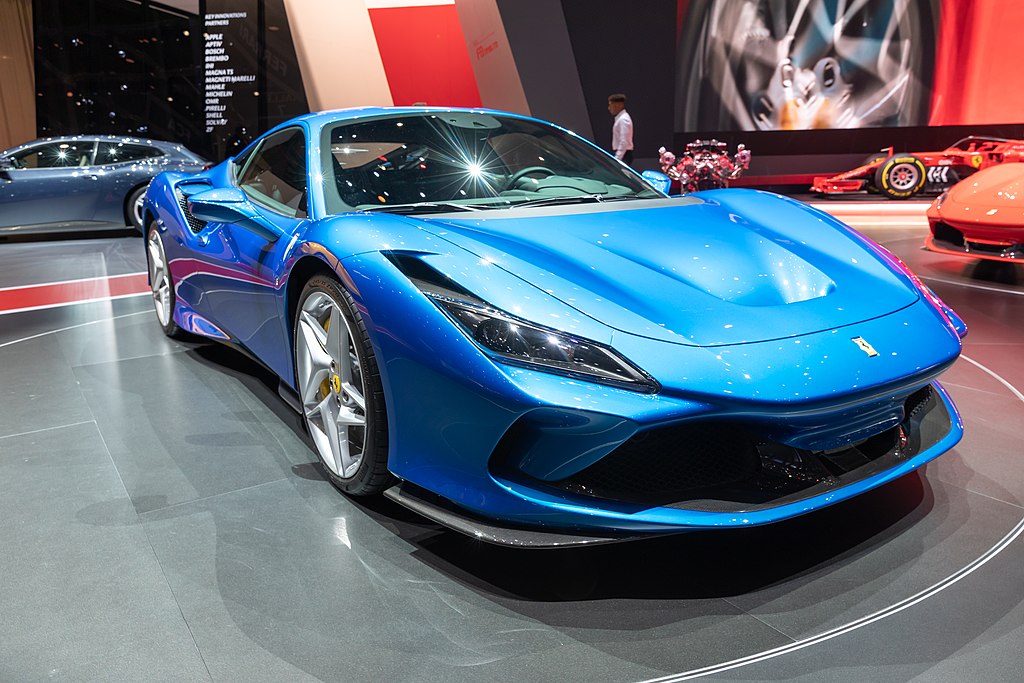
'19 Ferrari F8 Tributo. Image Credit: Matti Blume, Wikimedia
What does it matter the model? Ferrari ownership comes with a certain amount of romance, but it also comes with a bill. Routine maintenance typically runs around $1,500 to $2,200 a year just for the basics.
Ferrari of Fort Lauderdale notes annual maintenance typically costs $3,000 to $8,000, with routine yearly service itself usually running about $1,500 to $3,000. Factors like major multi-year services, replacement brakes, and tires can drive up the total cost.
Where things get serious is with major repairs. A full engine rebuild can run upward of $20,000, and because these are low-volume, high-performance machines, specialized parts and factory-trained technicians don't come cheap.
Maserati
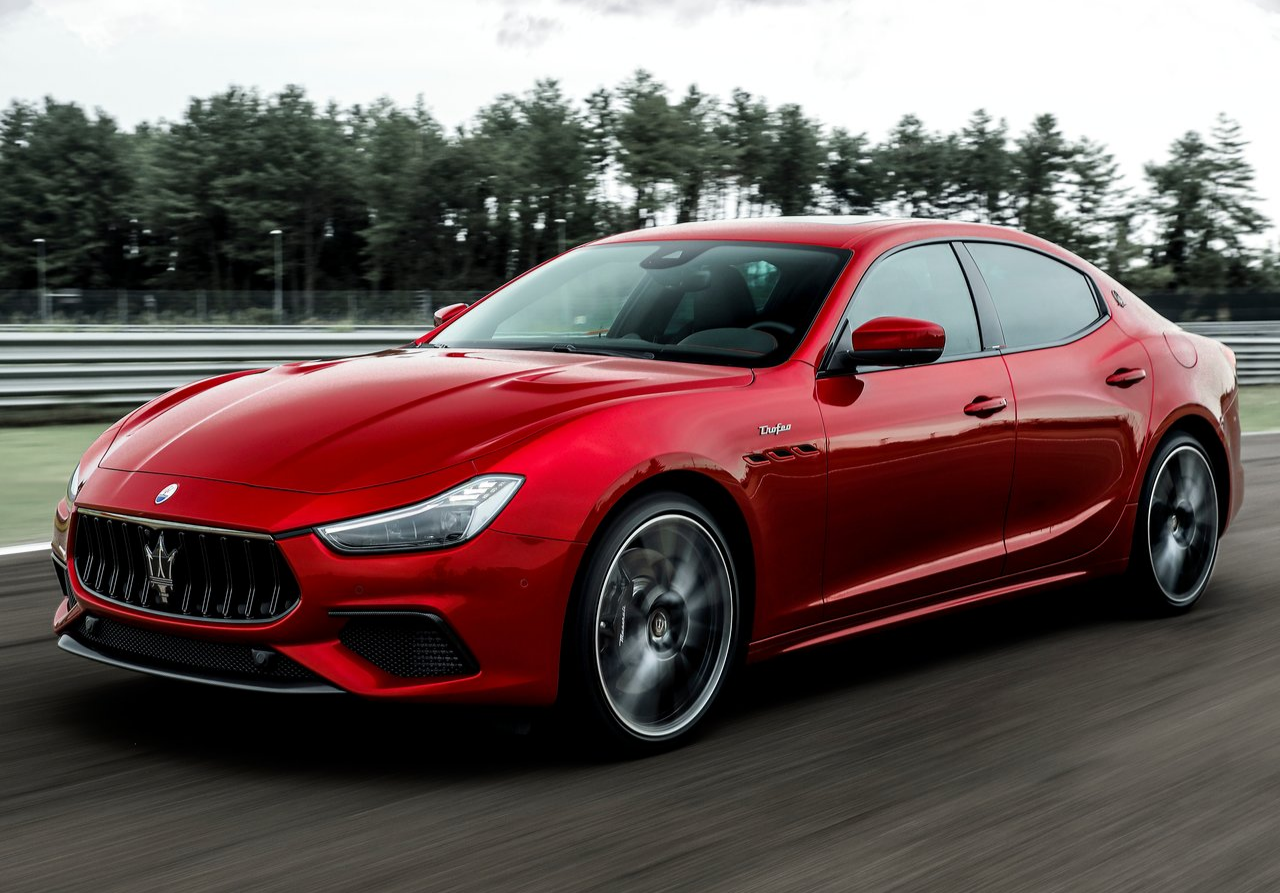
'21 Maserati-Ghibli Trofeo. Image Credit: Maserati.
Maserati blends Italian styling with genuine performance, but that combination brings real maintenance headaches. SportsMaserati notes that routine maintenance typically costs $1,500 to $3,000 annually.
Parts and labor both carry a premium, and reliability issues tend to show up more often than you'd expect for a car in this price range. Owners often find that even smaller repairs come with a surprisingly large invoice, simply because so few shops specialize in the brand.
Bugatti
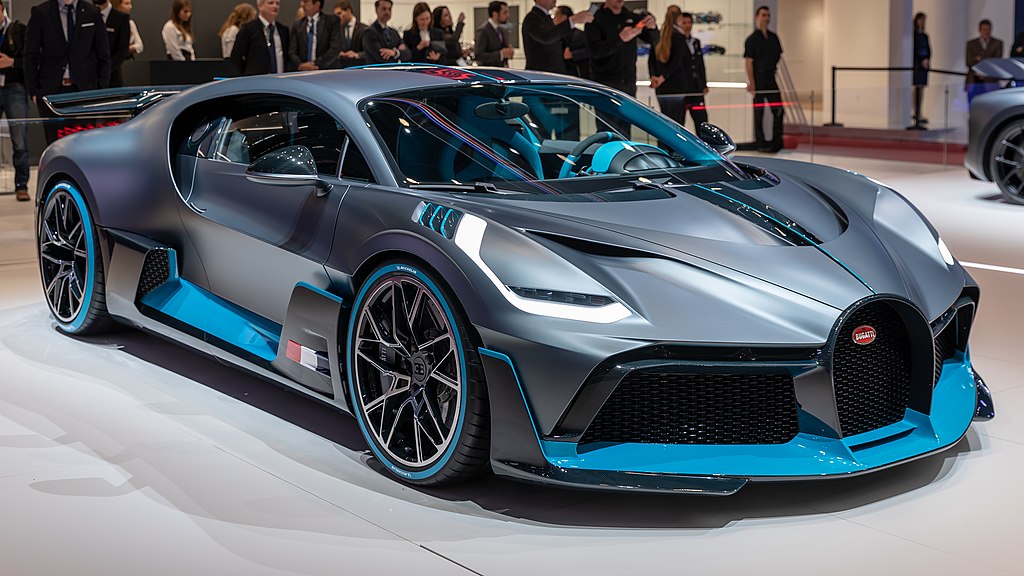
Bugatti Divo. Image Credit: Matti Blume, Wikimedia.
At the very top of the list sits Bugatti, and the numbers here are almost hard to believe. Annual maintenance on a Bugatti can run anywhere from $20,000 to $30,000 depending on the model, and that's before anything actually breaks.
A single tire replacement can cost around $40,000, and something as basic as an oil change can run about $20,000. If a major repair is needed, costs can climb into the hundreds of thousands. This is a car built for a tiny group of owners who understand exactly what they're signing up for.
What About Volvo, Jaguar, and Mini?
'18 S90 / 2020 i-Pace / '14 Roadster Convertible JCW. Image Credit: Vauxford via Wikimedia, Jaguar, MINI.
It's not just the household luxury names driving costs up. Volvo owners without an extended warranty can end up paying over $10,000 in maintenance costs across a decade of ownership.
Jaguar continues to show up on expensive-to-maintain lists due to recurring transmission, cooling, and electronics issues.
Mini, despite its smaller size and lower price point, has an average annual repair cost around 31 percent above the industry average, largely due to premature clutch wear and electrical issues in certain models.
How to Protect Yourself If You Still Want One
None of this means you shouldn't buy the car you've been dreaming about. It just means you should go in with your eyes open.
- Get a pre-purchase inspection from a shop that specializes in the brand, not a general mechanic.
- Budget for maintenance as a fixed monthly cost, not a surprise expense.
- Look into extended warranties or maintenance packages, especially on used luxury vehicles that are out of the factory warranty period.
- Find an independent specialist shop instead of relying solely on the dealership, since labor rates are often lower while the expertise stays high.
- Research the specific model year you're considering, since known issues (and known costs) tend to be well documented in owner forums and communities.
Luxury car maintenance expensive cars to maintain Porsche maintenance costs BMW repair costs Mercedes-Benz ownership cost Land Rover Range Rover reliability Audi A8 maintenance Ferrari service costs Maserati repair expenses Bugatti ownership cost German car maintenance luxury vehicle ownership car repair costs performance car maintenance European car service luxury SUV maintenance high-end automobile costs exotic car upkeep
Comments