22Jun
The modern automotive landscape is increasingly dominated by rolling computers—turbochargers, labyrinthine wiring, and components that require a dealership scan tool just to identify.
But for the enthusiast who finds solace in turning wrenches, a special breed of vehicle remains: Cheap, simple, and eminently fixable. These are cars that don't just tolerate a novice mechanic; they actively encourage learning.
This list isn't just a collection of inexpensive cars. It's a carefully curated guide based on parts availability, mechanical simplicity, and the size of the community ready to hold your hand through every repair.
1. Honda Civic (1992–2000) — The Gold Standard of Forgiving Engineering
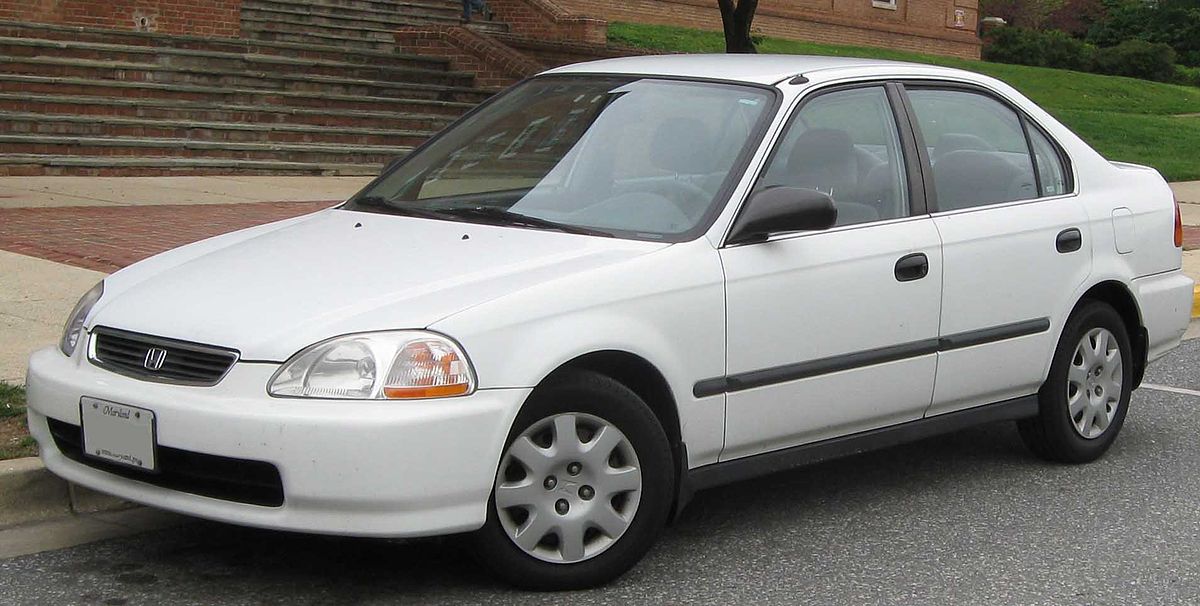
'96-'98 Civic LX / Image Credit: Wikipedia.
It's almost cliché to start with the Honda Civic, but there's a reason it's universally recommended. As one mechanic put it, “You can throw a rock in a parking lot and hit someone who’s owned one”.
The early to late '90s models—particularly those with the non-VTEC D15 or D16 engines—are legendary for their bulletproof reliability and laughably simple mechanics.
But Why?
The Civic's genius lies in its lack of complexity. Pre-1995 models (OBDI) are so straightforward you can read engine error codes by simply counting the flashes of a dashboard light—no $200 scanner required.
You can find a decent example for under $4,000. While the more desirable Si trims with VTEC are tempting, they often come with the baggage of prior modifications. A base model with a manual transmission offers the cleanest, most reliable slate for a first-time mechanic.
2. Toyota Corolla (1997–2006) —The Zero-Drama, High-Reliability Workhorse
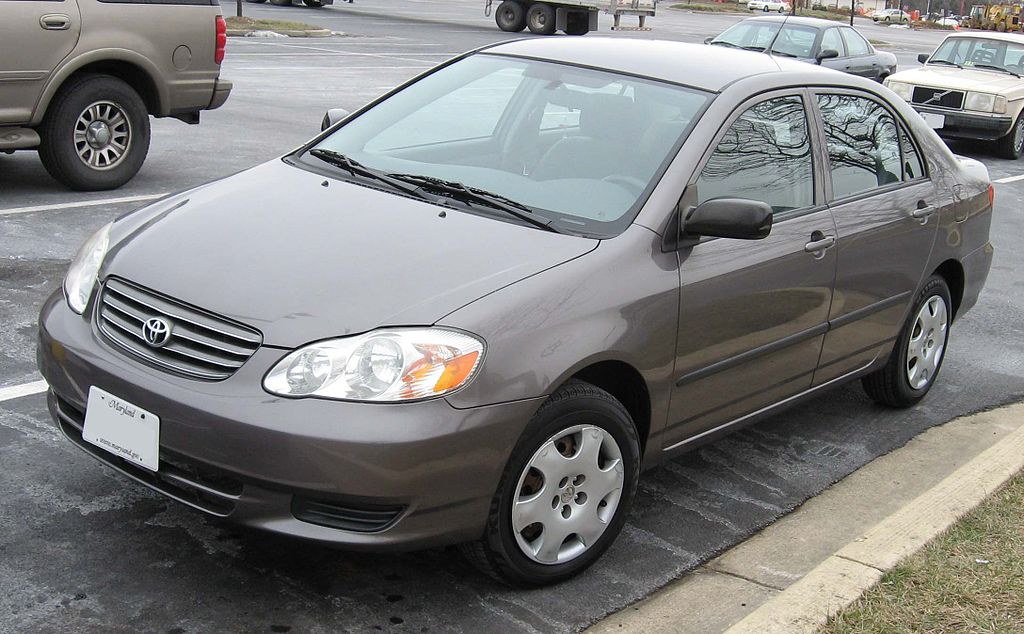
'03-'04 Corolla / Image Credit: IFCAR, Wikimedia.
If the Civic is the golden retriever of cars, the Corolla is its wholesome, dependable cousin. It has less personality but zero drama. These cars are the definition of "appliance-grade" transportation. They are cheap to buy, cheap to insure, and parts are ubiquitous.
But Why?
The Corolla's appeal is its simplicity. Models from this era often feature timing chains rather than belts, eliminating a costly routine maintenance item.
The 2.2L and 2.4L four-cylinders are incredibly durable and, while not powerful, have enough room in the engine bay to get your hands in there.
It isn't for nothing that celebrity mechanic Scotty Kilmer has repeatedly touted the Corolla as the best cheap used car, citing its front-wheel-drive stability in bad weather, quality interior, and safety features. You can get a reliable one for around $3,000 to $6,000.
3. Mazda MX-5 Miata (1990–2005) —The World's Most Adorable Classroom

'01 Miata RF Club / Image Credit: Wikimedia.
If you want to learn the basics of car control and mechanical repair simultaneously, buy a Miata. It's a cheap, cheerful, and very rewarding entry into sports car ownership. The car is essentially a giant LEGO set for adults. Everything is small, light, and logically placed.
But Why?
The first-generation (NA) and second-generation (NB) Miatas are the sweet spots for a project car. The naturally aspirated 1.6L and 1.8L engines are simple, reliable, and have a cavernous engine bay relative to the car's size.
You can learn everything from a brake job to a clutch replacement without needing an engineering degree. Moreover, the Miata community is one of the most supportive on the planet. If you have a question, a forum member has an answer with photos.
4. Ford Crown Victoria (1992–2011) —The Body-on-Frame Barge
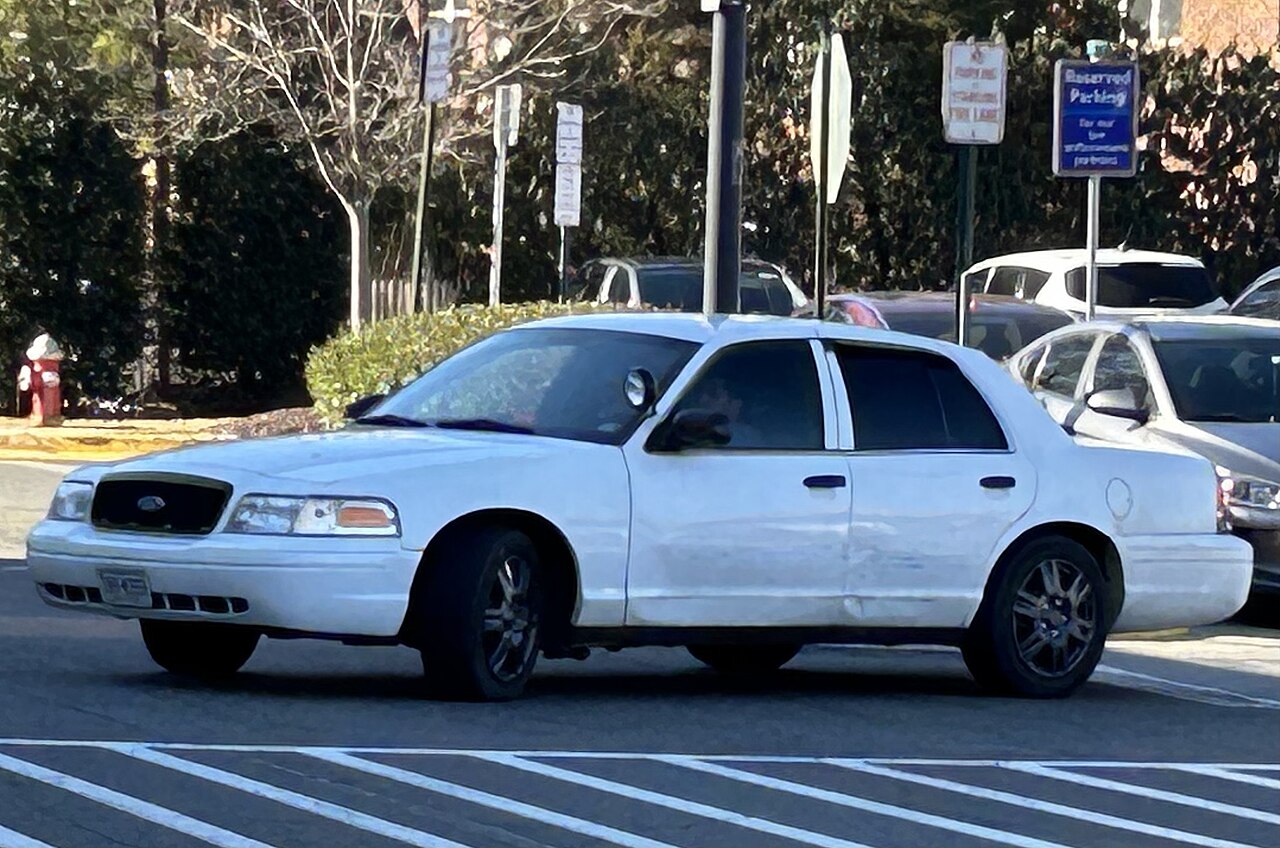
Image Credit: BrayLockBoy - Own work, CC BY-SA 4.0, Wikimedia.
The Panther Platform—encompassing the Ford Crown Victoria, Mercury Grand Marquis, and Lincoln Town Car—represents the last of the great American dinosaurs. These vehicles are built on a rugged body-on-frame chassis, originally designed for police duty.
But Why?
The 4.6L Modular V8 is famously reliable, and the engine bay has more free space than a studio apartment. There are no plastic engine covers hiding components from you . The car is designed for easy maintenance and abuse. If you find a civilian model or one previously owned by a careful grandparent, you've hit the jackpot.
Even the common issues—like a cracked plastic intake manifold—are well-documented, cheap fixes. You can buy a decent one for around $5,000 and keep it running for a decade.
5. Ford Ranger (1998–2011) —The Compact, No-Nonsense Pickup
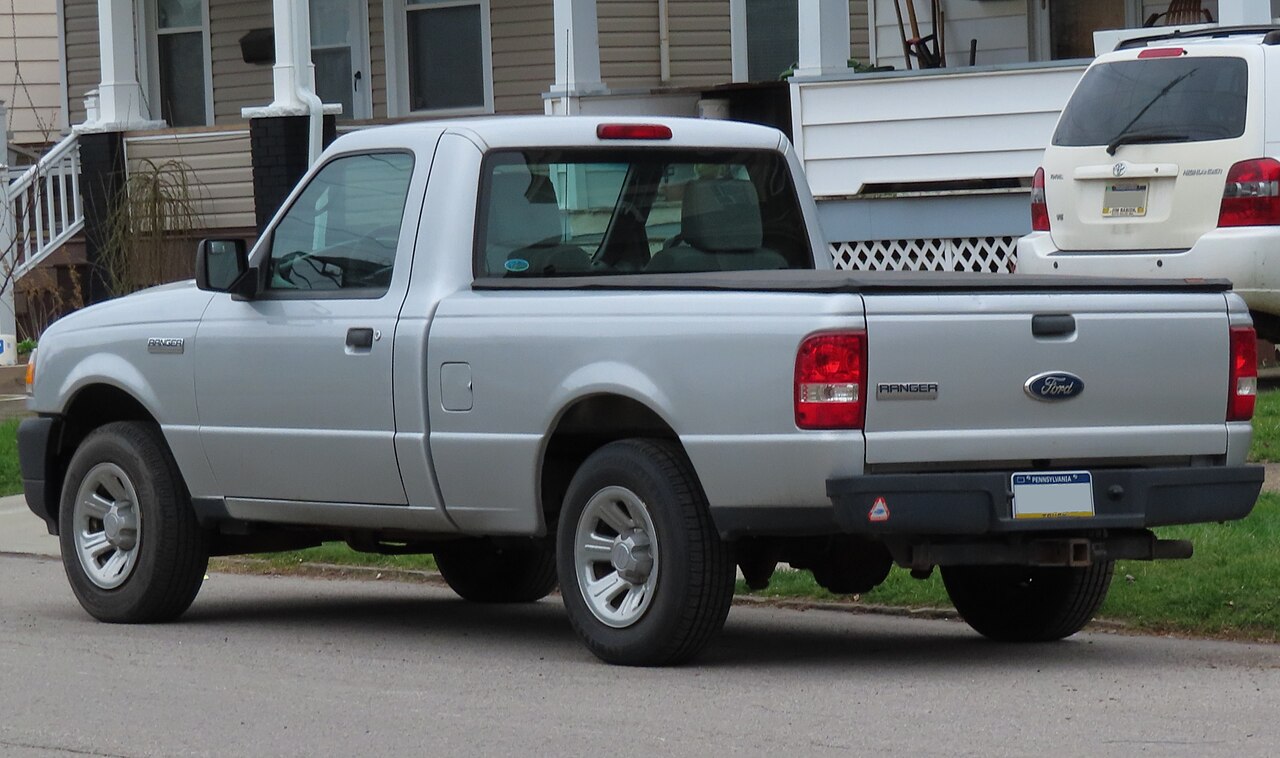
2011 Ranger XL / Image Credit: MercurySable99 - Own work, CC BY-SA 4.0, Wikimedia.
Ford built the Ranger for what felt like forever, and that longevity is a massive boon for DIYers. The design is proven, the parts supply is endless, and the fixes are straightforward. The truck is light, compact, and everything is within easy reach.
But Why?
To get the ultimate beginner-friendly truck, look for a 2WD model with the 2.3L Lima four-cylinder engine and a manual transmission. This combination strips away the complications of four-wheel-drive systems, heavy V6 engines, and automatic transmissions.
It's the perfect vehicle to learn basic maintenance and repair on. Need a part? Ford sold millions of these, and salvage yards are overflowing with them, often at the price of a pizza night.
6. Jeep Wrangler (1987–2006) — The Off-Road LEGO Set
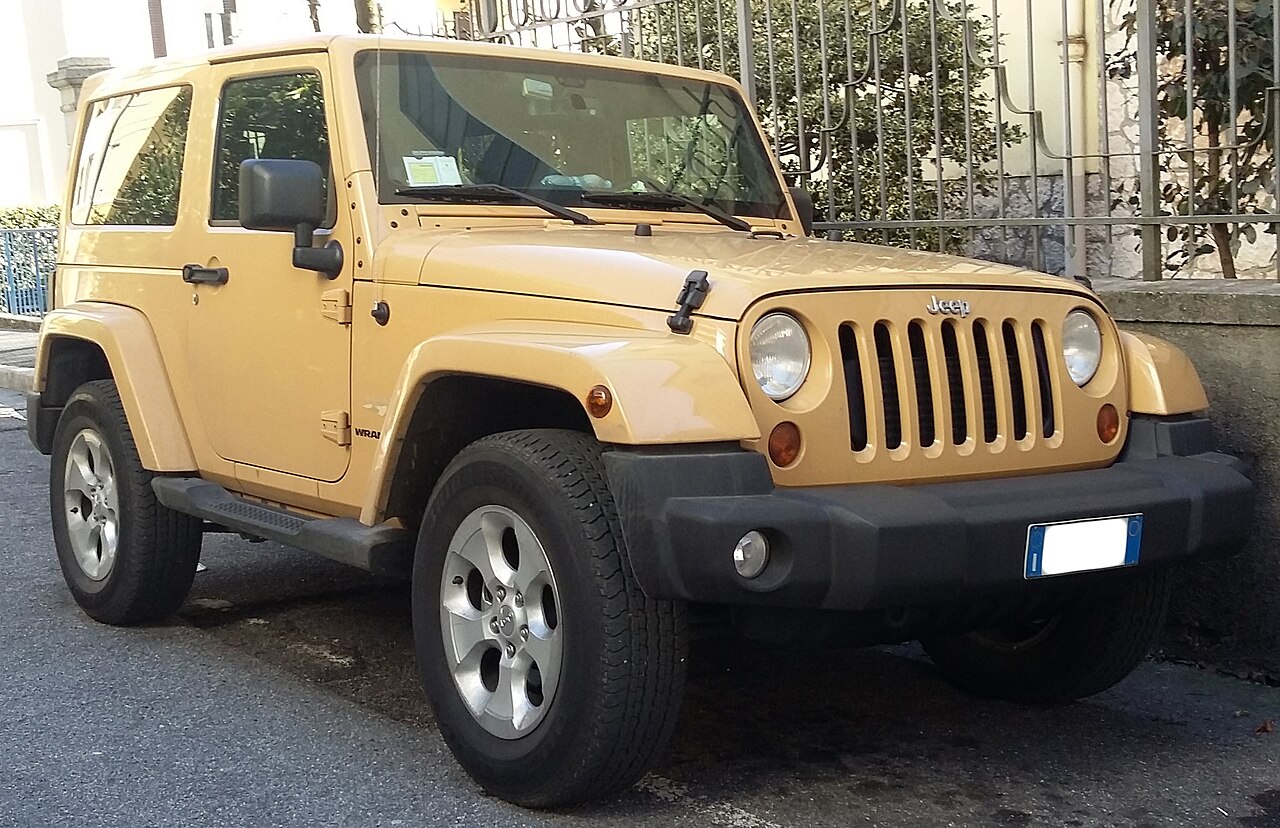
'06 Wrangler / Image Credit: Carluver23 - Own work, CC0, Wikimedia.
The Wrangler's mechanical simplicity is a defining characteristic. It's built to be modified, meaning the components are often bolted on rather than integrated in complex ways. They are like working on a truck that just wants to go off-road.
But Why?
The key to a great DIY Wrangler experience is the 4.0L inline-six engine. It is torquey, nearly indestructible, and will keep running even if you forget what an oil change is. The steering might be vague, and rust loves to nibble on the frame, but the fixes are incredibly straightforward.
The aftermarket community is massive. You can build a capable off-roader using parts from a catalog and a basic socket set.
7. Toyota Tacoma (1995–2004) — The Cult-Favorite Analog Truck
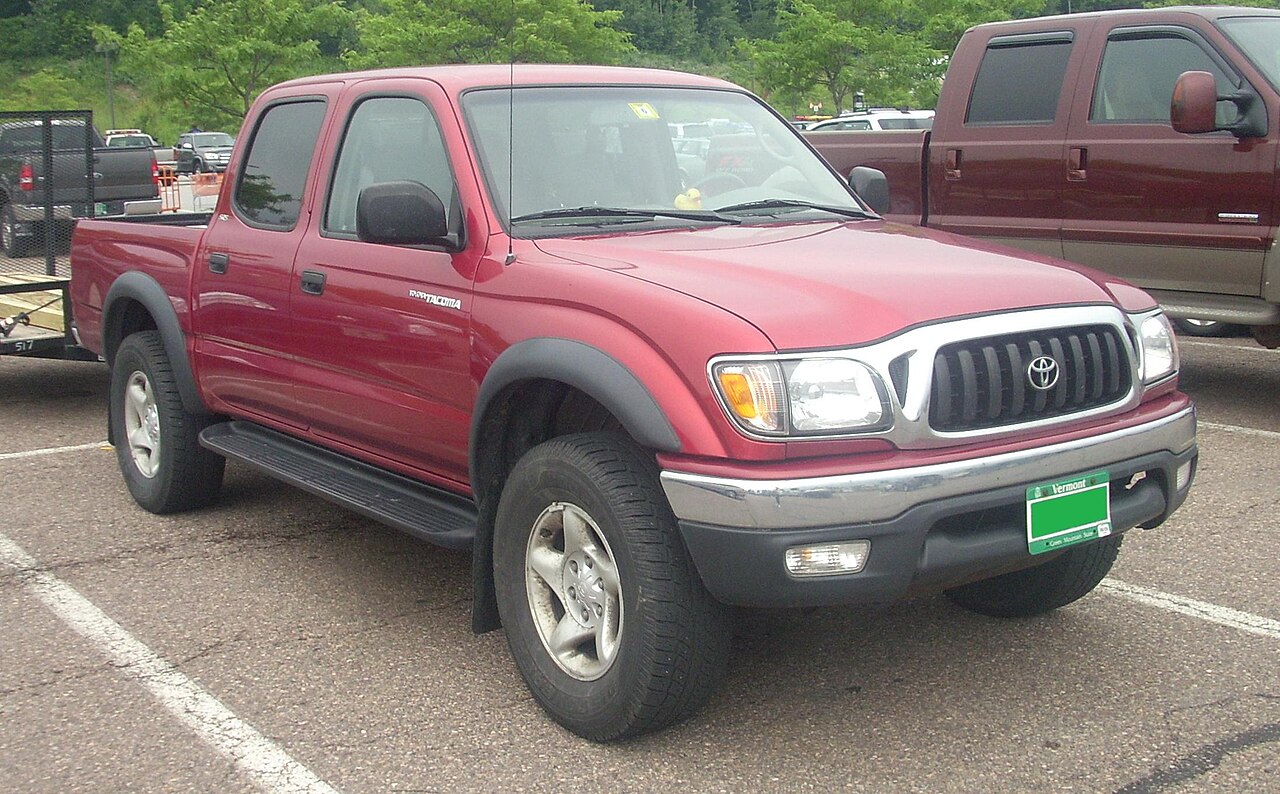
'01-'04 Tacoma / Image Credit: Bull-Doser - Own work., Public Domain, Wikimedia.
The first-generation Tacoma is the stuff of legend. It is as analog as a cassette tape compared to the rolling supercomputers sold today. This was before the CAN-bus madness, so the electronics are blissfully simple. Later models give you basic OBD-II, and that's all you need.
But Why?
The real value of the first-gen Taco is its cult-like following. The fanbase is incredibly supportive, offering a wealth of online guides and advice.
The frame rail rust was a notorious issue—so much so that Toyota offered extended warranty coverage—but if you can find one with a clean frame, you have one of the most durable, beginner-friendly trucks ever built . It's the kind of truck you keep for 20 years.
8. Nissan Versa (2012–2025) — The Last of the Simple New Cars
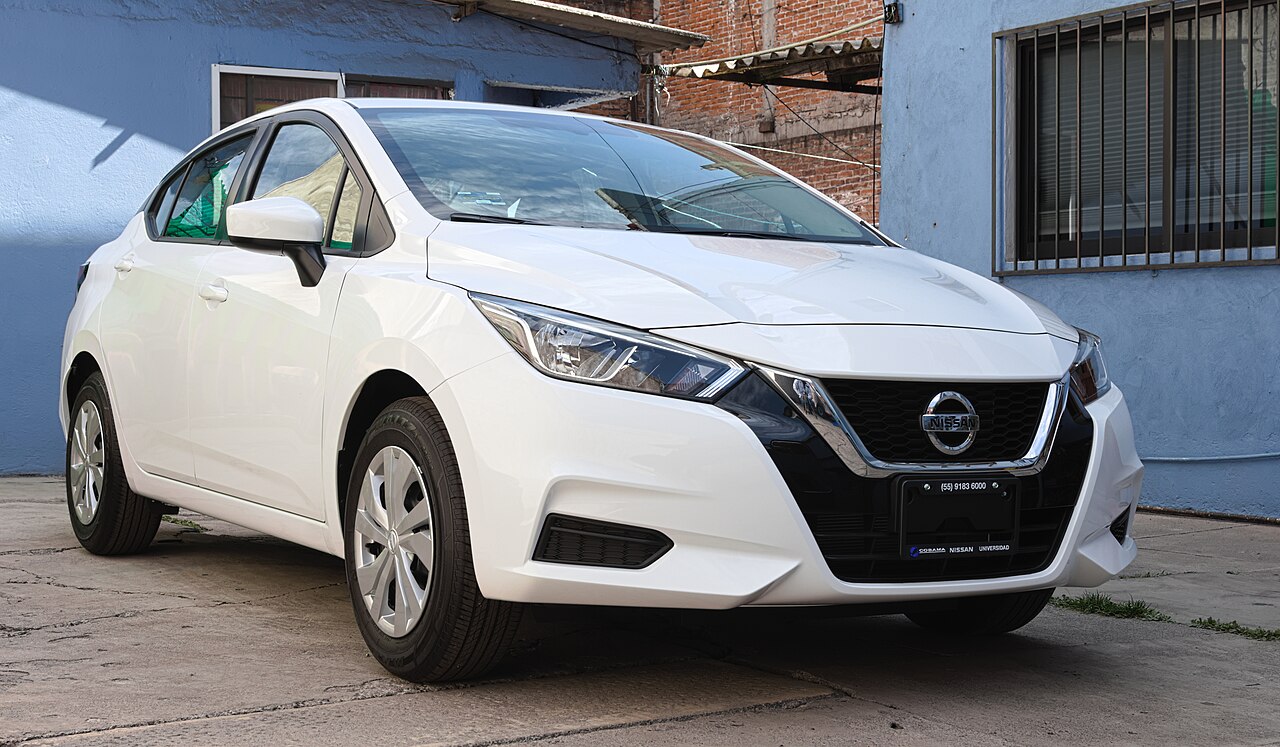
2021 Versa S / Image Credit: Cvmontuy - Own work, CC BY-SA 4.0, Wikimedia.
If you want a brand-new car that won't intimidate you, the Nissan Versa is almost a miracle in 2025. Starting at under $18,000, the base "S" trim has a five-speed manual transmission and no touchscreen or complex infotainment system to fail.
But Why?
The Versa S is a low-tech, high-value appliance. The naturally aspirated 1.6-liter four-cylinder engine is simple, with no turbochargers to fail and no direct injection system to clog. Spark plugs can be changed without removing the intake manifold. It's a car you buy because you know exactly what it is—and what it isn't.
9. Chevrolet Camaro (pre-2000 & 2010–2015) — The American Muscle Project
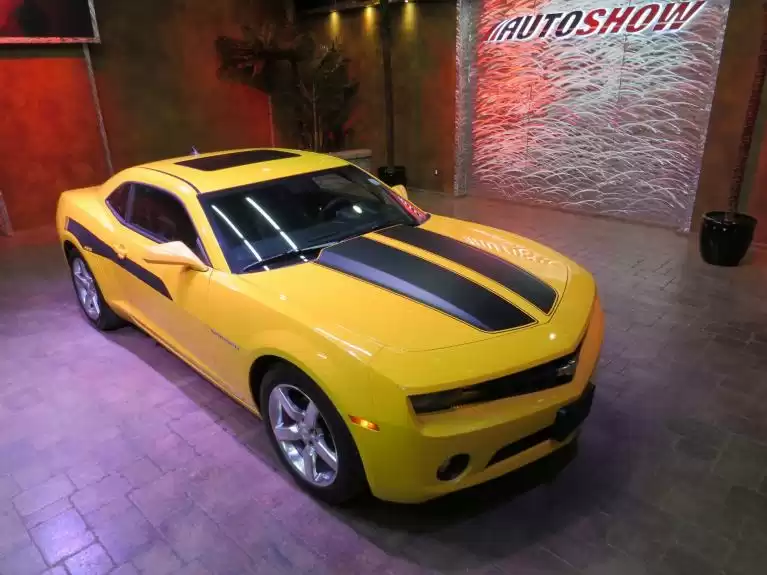
2011 Camaro / Image Credit: Wikimedia.
The Camaro is a quintessential old-school muscle car with a long history and a huge aftermarket. The key is to avoid the latest, highly complex models and target the older generations.
But Why?
The longitudinal engine layout (front-to-back) is vastly easier to work on than a transverse (side-to-side) engine found in most front-wheel-drive cars. A naturally aspirated V6 or V8 Camaro has a cavernous engine bay that makes even major repairs accessible.
For a project car, the fourth-generation models (1993-2002) are popular and cheap, while the fifth generation (2010-2015) offers a more modern, comfortable car that is still very DIY-friendly.
10. Ford F-150 (1997–2010) — America's DIY Darling
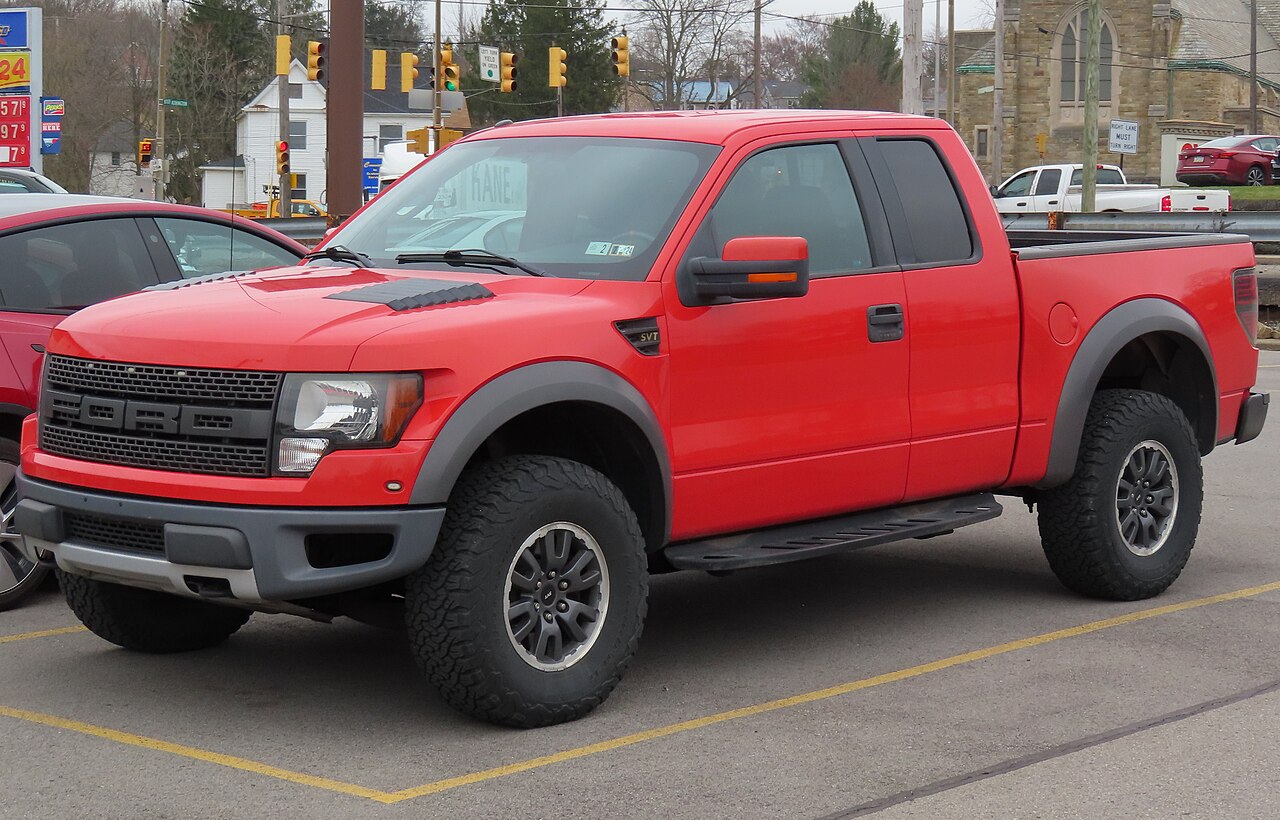
2010 F-150 SVT Raptor SuperCab / Image Credit: MercurySable99 - Own work, CC BY-SA 4.0, Wikimedia.
As America's best-selling vehicle, the Ford F-150 is an obvious choice for a home mechanic. There is an incredible volume of parts, guides, and aftermarket support available.
But Why?
The F-150's popularity is the mechanic's greatest asset. You can find parts for a 30-year-old model at a junkyard with ease . The body-on-frame construction and large engine bays offer a ton of room to work. V6 and naturally aspirated V8 options are simple, robust, and well-documented.
11. Subaru Outback/Forester (Pre-2010) — The Practical Project
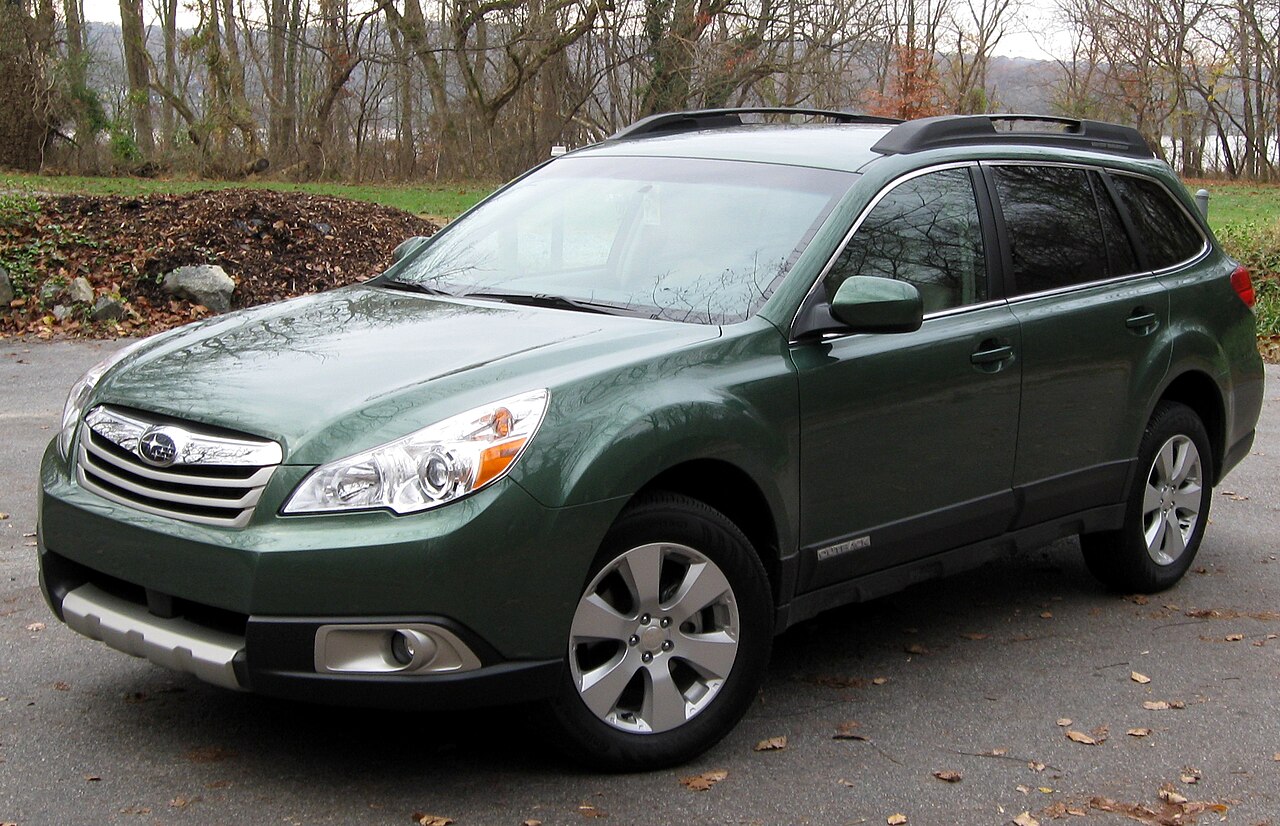
2010 Outback 2.5i Limited / Image Credit: IFCAR - Own work, Public Domain, Wikimedia.
Subarus have a reputation for quirky engineering—the "boxer" engine is laid out horizontally, which can make some repairs (like spark plugs) a bit tricky at first . However, once you understand the layout, the cars are highly logical and well-designed for mechanics.
But Why?
The Outback and Forester are "trustworthy mountain dad" energy cars . While head gasket issues on the 2.5L engines are a common meme, they are a well-known, predictable repair that essentially serves as a "rite of passage."
The rest of the car—the suspension, the drivetrain, the interior—is straightforward to work on, and there's a massive community of enthusiasts ready to help.
12. Toyota Camry (1997–2006) — The Maintenance-Free Sedan
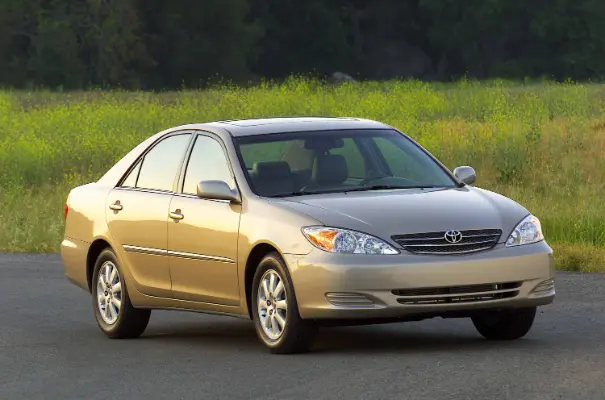
'02-'06 Camry XLE / Image Credit: Toyota.
The Camry isn't here to win style points. It's here to get the job done without drama. The 2.2L and 2.4L four-cylinder engines are simple, tough, and give you plenty of room to remove and replace parts.
But Why?
The Camry is the ultimate low-stakes learning platform. Even the V6 is surprisingly manageable to work on. The car's sheer popularity means that you can buy parts for less than you'd spend on a nice dinner. If you make a mistake, the car is likely cheap enough to be forgiving.
The Best Car to Work On
Ultimately, the best car to work on is one you can afford to buy, fix, and potentially break. The key is to pick an automobile with a huge community and readily available parts. These 12 picks represent the best starting points for your journey into DIY car repair.
Comments