12May
Autonomous vehicles operated by Waymo have become an increasingly familiar sight on Atlanta streets, with passengers hailing the driverless Jaguar I-PACE robotaxis across the city.
But a recent television investigation has brought fresh scrutiny to how some of those vehicles were allegedly repaired behind the scenes.
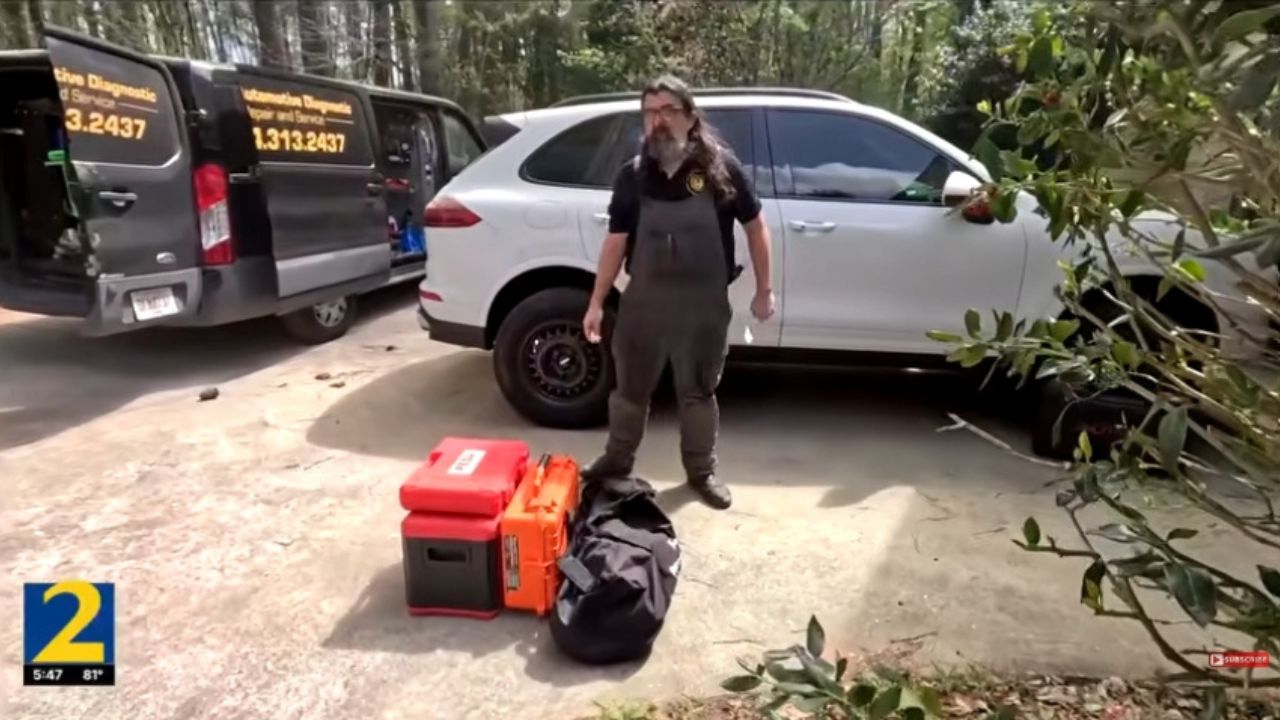
In a report from Atlanta station WSB-TV Channel 2 Action News, investigative reporter Ashley Lincoln spoke with former technician Michael Shannon, who claimed mechanics working on Waymo’s autonomous fleet were not always provided with the safety equipment required to service high-voltage electric vehicles.
Shannon, who previously taught high-voltage vehicle safety courses in the United States and internationally, said he was alarmed by conditions he observed while working at a West Midtown Atlanta repair facility tied to Waymo operations.
Allegations Of Missing High-Voltage Safety Equipment
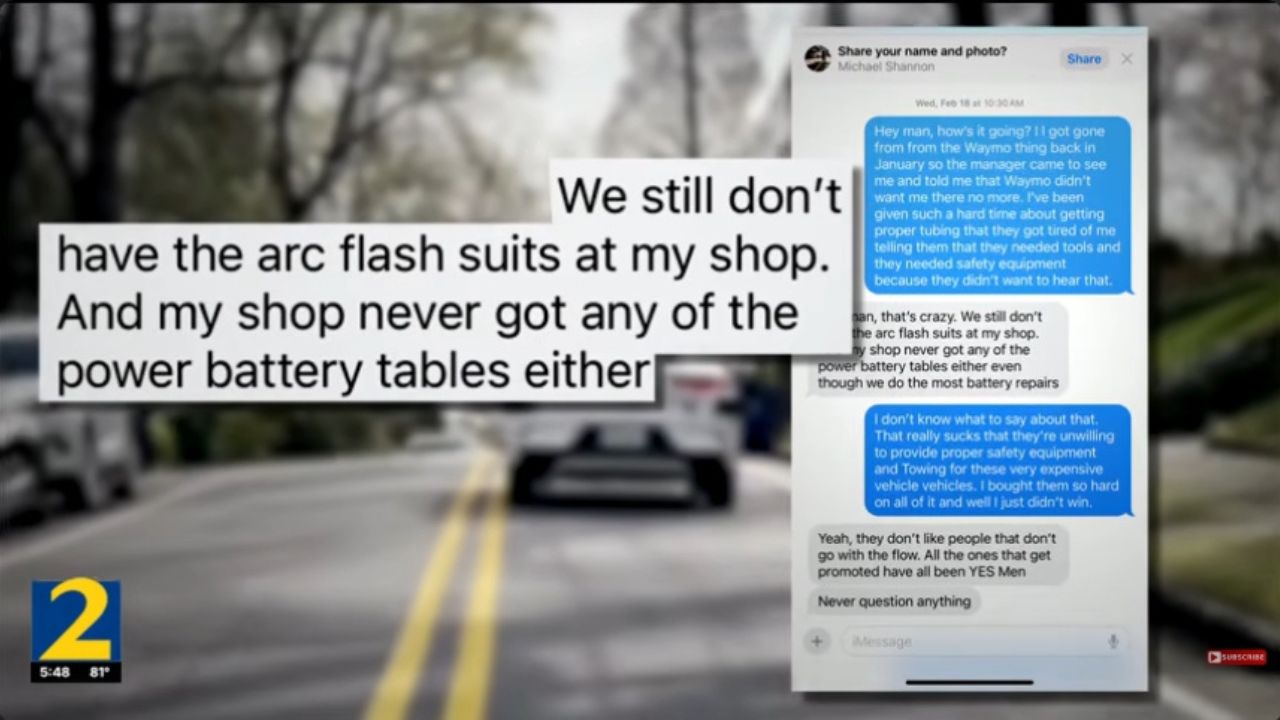
According to Shannon, technicians repeatedly requested basic protective gear needed to safely work on electric vehicle battery systems and high-voltage components.
He alleged that workers often lacked insulated gloves, insulated tools, arc flash protective suits, and specialized battery support equipment designed to control voltage during repairs.
Speaking to Channel 2, Shannon described seeing exposed live wires after battery covers were removed from vehicles.
“There’s arguments almost every day about getting proper tools and why cars couldn’t be fixed without having those pieces of equipment,” he said during the interview.
The report noted that Occupational Safety and Health Administration guidelines require employers to provide appropriate safety equipment for workers handling high-voltage systems. Shannon claimed concerns were raised for months without meaningful changes.
He also alleged that some employees stayed silent because they feared losing their jobs. The former technician said he eventually purchased his own protective equipment to continue working safely.
Despite his criticism of the repair environment, Shannon emphasized that he still believes the autonomous vehicles themselves are safe for public passengers.
Claims Extend Beyond Atlanta Facility
The investigation suggested the concerns may not have been isolated to Georgia. Channel 2 reviewed a message from a technician in Arizona who reportedly complained that workers there also lacked arc flash suits and battery tables.
The Arizona message reportedly stated that the absence of safety equipment was “the biggest issue by far.”Waymo declined the television station’s request to tour the Atlanta repair site, but the company strongly disputed the allegations in a statement provided to the outlet.
“Safety is our highest priority,” the company said. Waymo added that it had reviewed the concerns and determined technicians had been provided with “the appropriate tools and equipment to perform their roles safely and effectively.”
Waymo also clarified that mechanics in Atlanta were employed through third-party contractor Alden Nation. Alden Nation issued its own statement saying it works closely with partners to ensure associates have the tools, training, and equipment necessary to perform their jobs safely.
Questions Raised About Use of Used Parts
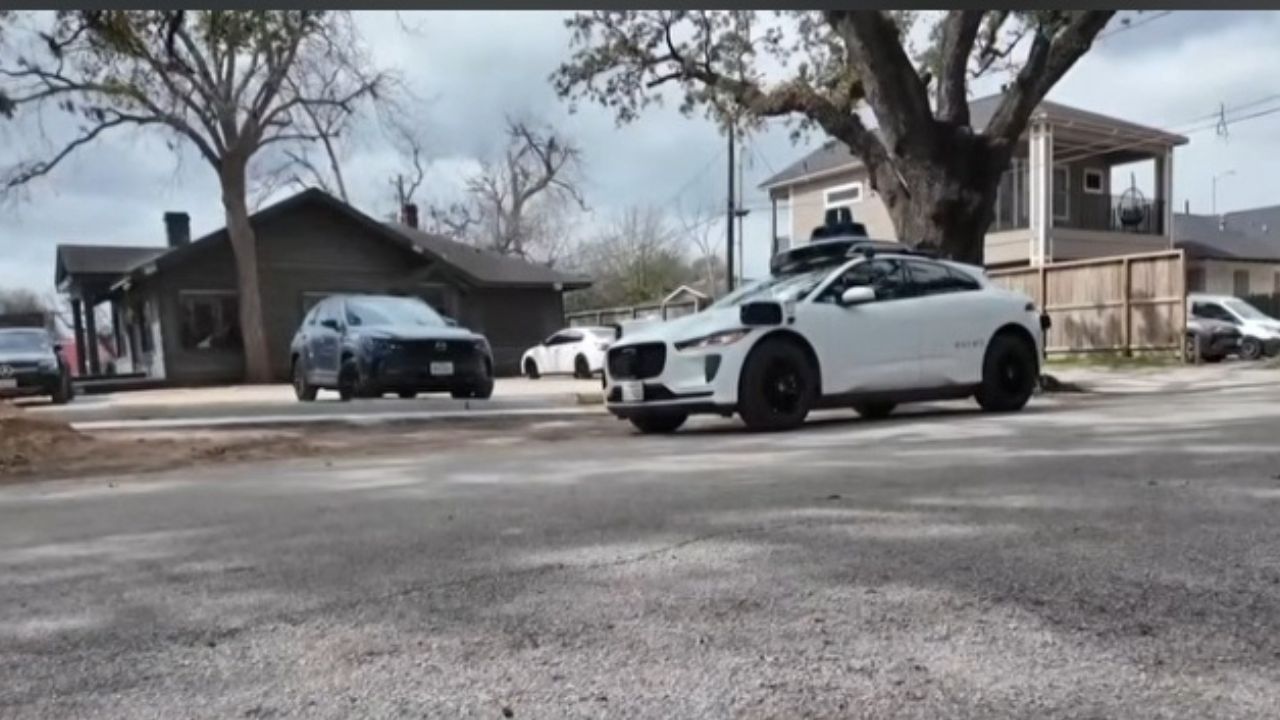
The Channel 2 report also examined allegations involving replacement components used during repairs. Shannon claimed technicians were instructed to reuse parts taken from out-of-service Waymo vehicles in order to complete repairs on operational units.
He described the issue as another frequent source of conflict inside the shop. The autonomous vehicles used by Waymo are built on the Jaguar I-PACE platform from Jaguar Land Rover.
According to emails reviewed by the station, Shannon contacted Jaguar Land Rover warranty representatives in December to express discomfort with using recycled components during warranty-related repairs.
“I do not feel the best about doing repairs in that fashion,” he reportedly wrote. A Jaguar Land Rover representative responded that it is “never appropriate” to install used parts on a vehicle covered under warranty.
Waymo later told Channel 2 that the discussion referenced in those emails related specifically to warranty claim procedures with Jaguar Land Rover and did not involve unsafe mechanical practices or compromised repairs.
The company added that its safety standards are “clear, consistent, and rigorously upheld” throughout its partner network and said compliance is regularly evaluated.
The report arrives as Waymo continues expanding its autonomous ride-hailing footprint in major U.S. cities, including Atlanta, where public interest in driverless transportation continues to grow alongside broader debates about safety, maintenance standards, and oversight of emerging mobility technology.
Comments