10Jun
Beauty in automotive design is one of those rare topics where emotion, engineering, and cultural memory all collide.
When a car is described as “beautiful,” it’s rarely just about surface styling—it’s about proportion, presence, sound, heritage, and the way it makes people feel even decades after its debut.
Across more than a century of automotive history, a handful of machines have consistently been elevated above the rest in discussions among designers, collectors, historians, and enthusiasts.
This list brings together 12 of the most beautiful cars ever made; automobiles that didn’t just look good but helped define what automotive beauty even means. Each car is selected based on design influence, historical acclaim, cultural impact, and enduring collector demand.
1. Bugatti Type 57SC Atlantic
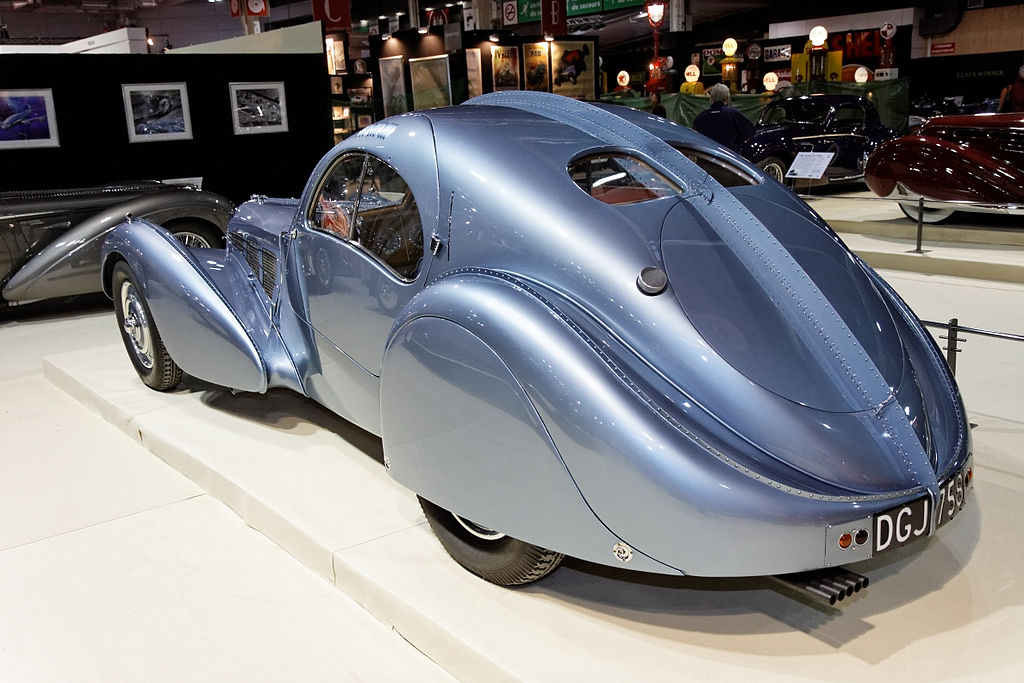
The Bugatti Type 57SC Atlantic is often regarded as the holy grail of automotive beauty. With only a handful ever produced, its flowing Art Deco bodywork, dramatic riveted central spine, and teardrop proportions make it look more like a sculpture than a machine.
Designed under Jean Bugatti, it represents a pre-war era when automobiles were handcrafted works of art rather than mass-produced objects.
What makes the Atlantic especially significant is its obsessive attention to proportion. The long hood, tightly wrapped cabin, and tapered rear create a sense of motion even when stationary.
The riveted magnesium-aluminum alloy “Electron” body panels were not just functional but visually iconic, adding a distinctive seam that has become part of its identity.
Its reputation is reinforced by auction history: surviving examples are among the most valuable cars ever sold, frequently surpassing tens of millions of dollars. Automotive historians often cite it as the pinnacle of pre-war design elegance, and museums treat it as fine art. The Atlantic isn’t just beautiful—it is foundational to the idea that a car can be a collectible masterpiece.
2. Jaguar E-Type
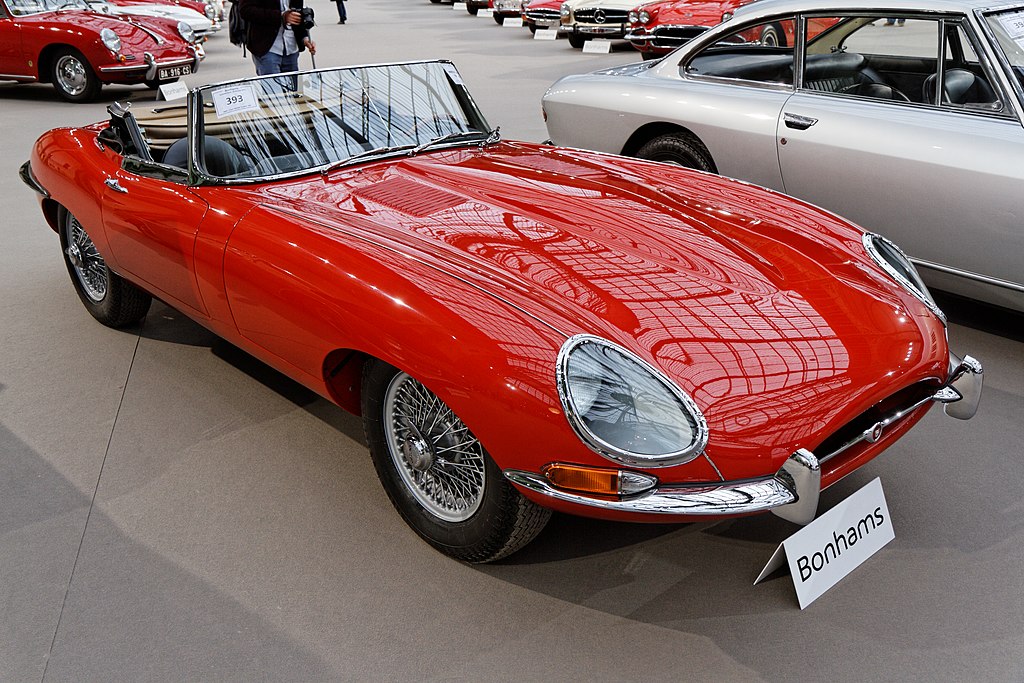
Enzo Ferrari famously called the Jaguar E-Type “the most beautiful car ever made,” and even decades later, that praise still echoes through automotive culture. Launched in the 1960s, it embodied the perfect fusion of performance and aesthetic purity.
Its long bonnet, minimal overhangs, and sensuous curves were heavily influenced by aerodynamic racing prototypes like the D-Type. The covered headlights, wire wheels, and central exhaust layout all contribute to a sense of mechanical elegance.
Underneath, it was just as impressive, offering sports car performance that rivaled early supercars at a fraction of the cost.
The E-Type’s design is frequently referenced in design schools as an example of “functional beauty”—every curve has a purpose, yet nothing feels compromised. It also symbolized the optimism of the 1960s, when speed, style, and modern engineering were converging into something new.
Its cultural impact is enormous, appearing in films, fashion campaigns, and museum exhibitions worldwide. Even today, modern Jaguars still reference its silhouette. Few cars have ever achieved such a perfect balance between engineering and artistic form.
3. Mercedes-Benz 300SL Gullwing
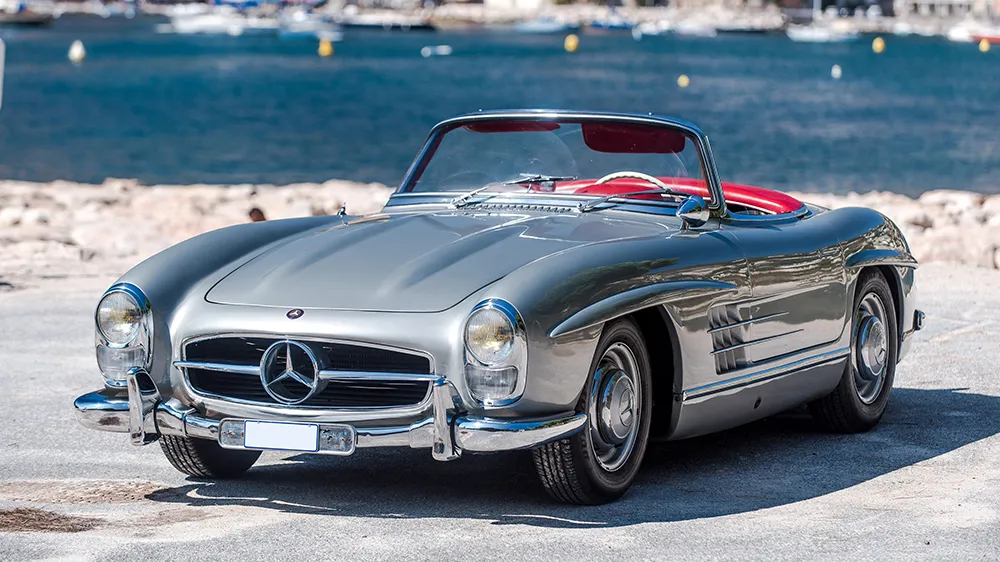
The Mercedes-Benz 300SL Gullwing is instantly recognizable thanks to its dramatic upward-opening doors. But its beauty goes far beyond that signature feature. Introduced in the 1950s, it was derived from Mercedes’ dominant race cars and brought aerospace-inspired design into road car form.
The tubular spaceframe chassis required unusually high door sills, which led to the iconic gullwing solution. This engineering necessity became one of the most celebrated design features in automotive history. The long hood, chrome detailing, and smooth fender arches give the car a poised, almost aristocratic presence.
The 300SL is also historically significant as one of the fastest production cars of its era, which enhances its visual appeal—its beauty is backed by genuine performance credibility. It helped establish Mercedes-Benz as a leader in both luxury and engineering innovation.
Collectors prize it not just for rarity, but for its perfect blend of technical ingenuity and sculptural form. It remains a symbol of 1950s optimism and engineering creativity.
4. Aston Martin DB5
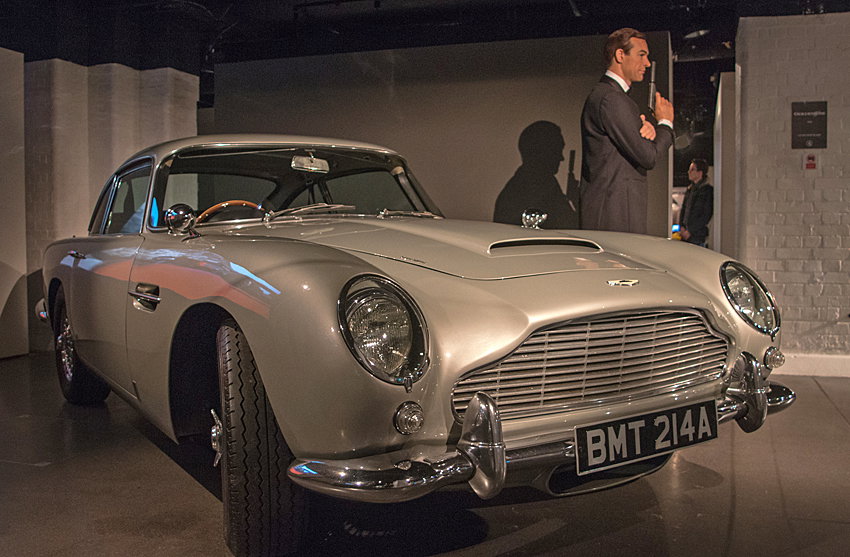
The Aston Martin DB5 became globally famous thanks to its association with James Bond, but its beauty stands firmly on its own merits. Introduced in the early 1960s, it refined the elegant design language of its predecessor, the DB4, into something more polished and timeless.
Its aluminum bodywork, crafted by Carrozzeria Touring, emphasizes smooth surfaces and balanced proportions. The gentle curves of the fenders, the restrained chrome accents, and the perfectly proportioned grille give it a quiet sophistication rather than aggressive styling.
Unlike many sports cars of its era, the DB5 is not about visual drama—it’s about restraint. That restraint is precisely what makes it enduringly beautiful. It looks equally at home parked outside a luxury hotel or cruising along a coastal road.
Its cultural status, reinforced by cinema, has elevated it into one of the most recognizable cars in the world. Yet beyond fame, designers still reference it as a masterclass in proportion and elegance.
5. Lamborghini Miura
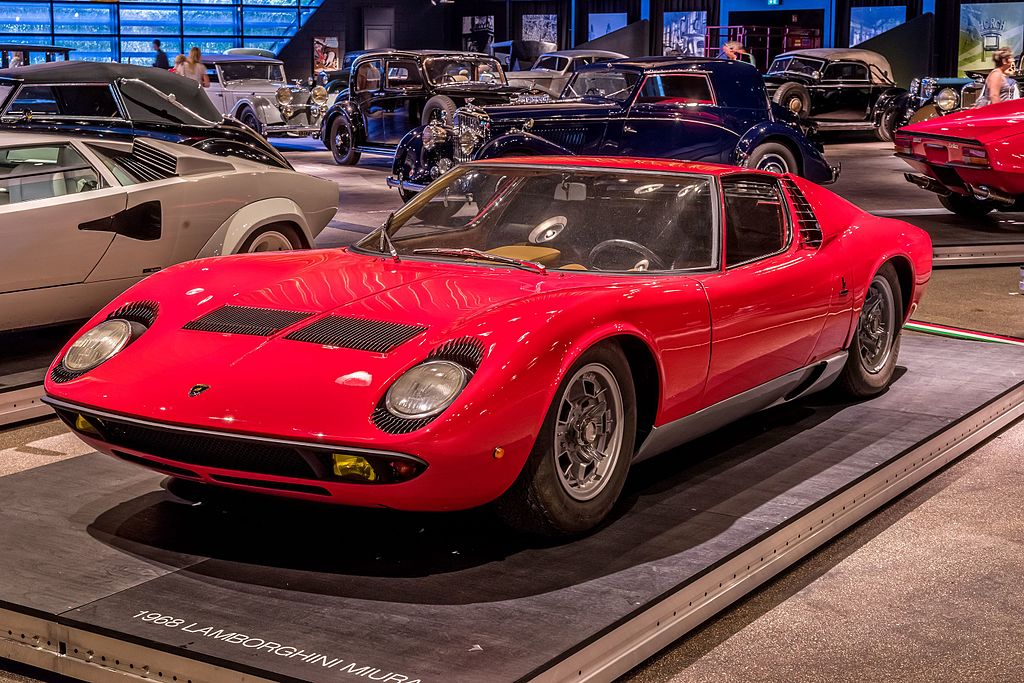
The Lamborghini Miura is widely credited as the world’s first supercar, and its beauty remains unmatched in the exotic car world. Designed by Marcello Gandini at Bertone, it introduced a radical mid-engine layout that redefined performance car design.
Its proportions are breathtaking: extremely low stance, wide rear haunches, and “eyelash” headlight surrounds that give it a playful yet aggressive personality. The flowing side intakes and clamshell bodywork create a continuous visual motion from front to back.
What sets the Miura apart is how emotionally expressive it is. Unlike more technical designs, it feels alive—almost like a living creature. When unveiled in the late 1960s, it stunned audiences and even industry veterans who had never seen anything like it.
Its influence is visible in nearly every supercar that followed, from Ferrari to modern Lamborghinis. It is frequently cited in automotive design retrospectives as the car that made beauty and performance inseparable in the supercar category.
6. Ferrari 250 GTO
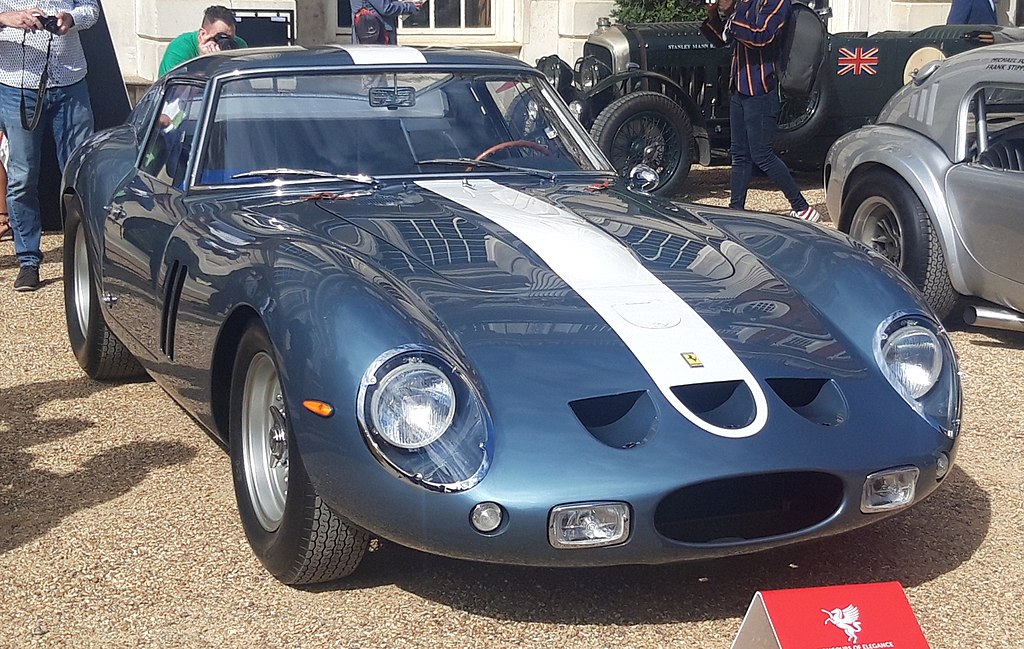
The Ferrari 250 GTO is not just one of the most valuable cars ever made—it is also one of the most beautifully proportioned. Built for homologation in the early 1960s, it was designed primarily for racing, yet its aesthetic appeal quickly transcended motorsport.
Its long hood, compact cabin, and muscular rear arches create a perfect visual tension. The front fascia is aggressive but not overstyled, and the side vents and curves serve both aerodynamic and cooling functions. Nothing feels unnecessary.
The 250 GTO’s beauty is reinforced by its success on the track, where it dominated GT racing. That combination of form and function has elevated it into near-mythical status among collectors.
Modern design experts often point to it as the perfect example of “purpose-built beauty”—every element exists for performance, yet the result is harmonious and elegant. Today, it is one of the most expensive collector cars in existence, often fetching record-breaking auction prices.
7. Porsche 911
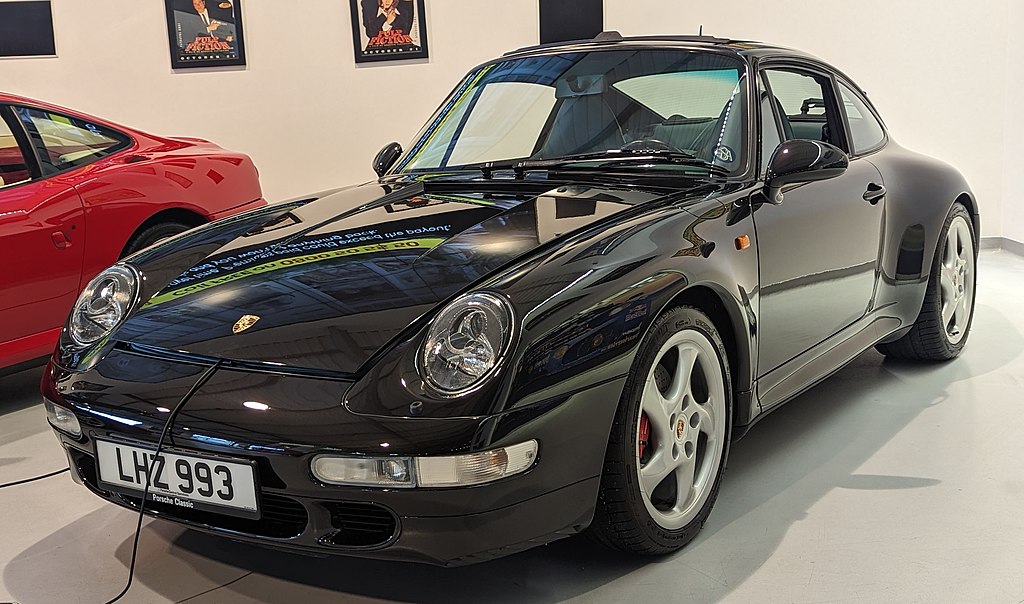
The Porsche 911 is a rare example of evolutionary beauty. Introduced in the 1960s and continuously refined, its core silhouette has remained largely unchanged for decades—a testament to the strength of its original design.
The sloping roofline, round headlights, and compact proportions create a distinctive identity that is instantly recognizable worldwide. Unlike many exotic cars that rely on radical styling, the 911’s beauty lies in consistency and refinement.
Its rear-engine layout gives it a unique stance, with a slightly raised rear that has become part of its visual signature. Over time, Porsche has carefully modernized the design without losing its essential character.
The 911 is often cited in design circles as proof that beauty does not require constant reinvention. Instead, it can evolve gradually while preserving its core identity. Its longevity in production is one of the strongest validations of its aesthetic success.
8. Alfa Romeo 8C 2900B
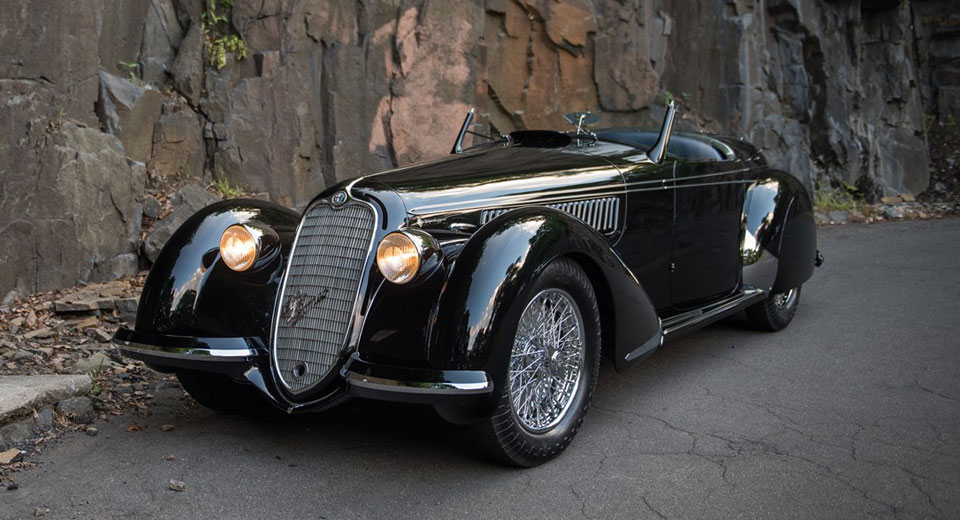
The Alfa Romeo 8C 2900B represents pre-war Italian elegance at its peak. Designed during the late 1930s, it combined racing technology with handcrafted coachbuilt bodies from legendary design houses.
Its flowing fenders, elongated hood, and delicate detailing make it one of the most graceful cars of its era. The proportions are elongated yet balanced, giving it a sense of movement even at rest.
Many examples were bodied by companies like Touring and Zagato, each adding subtle variations that enhanced its artistic value. This makes the 8C not just a car, but a platform for automotive artistry.
It is frequently displayed in concours events and museums as one of the finest examples of coachbuilt design. Its rarity and historical importance further reinforce its status as a pinnacle of automotive beauty.
9. Citroën DS
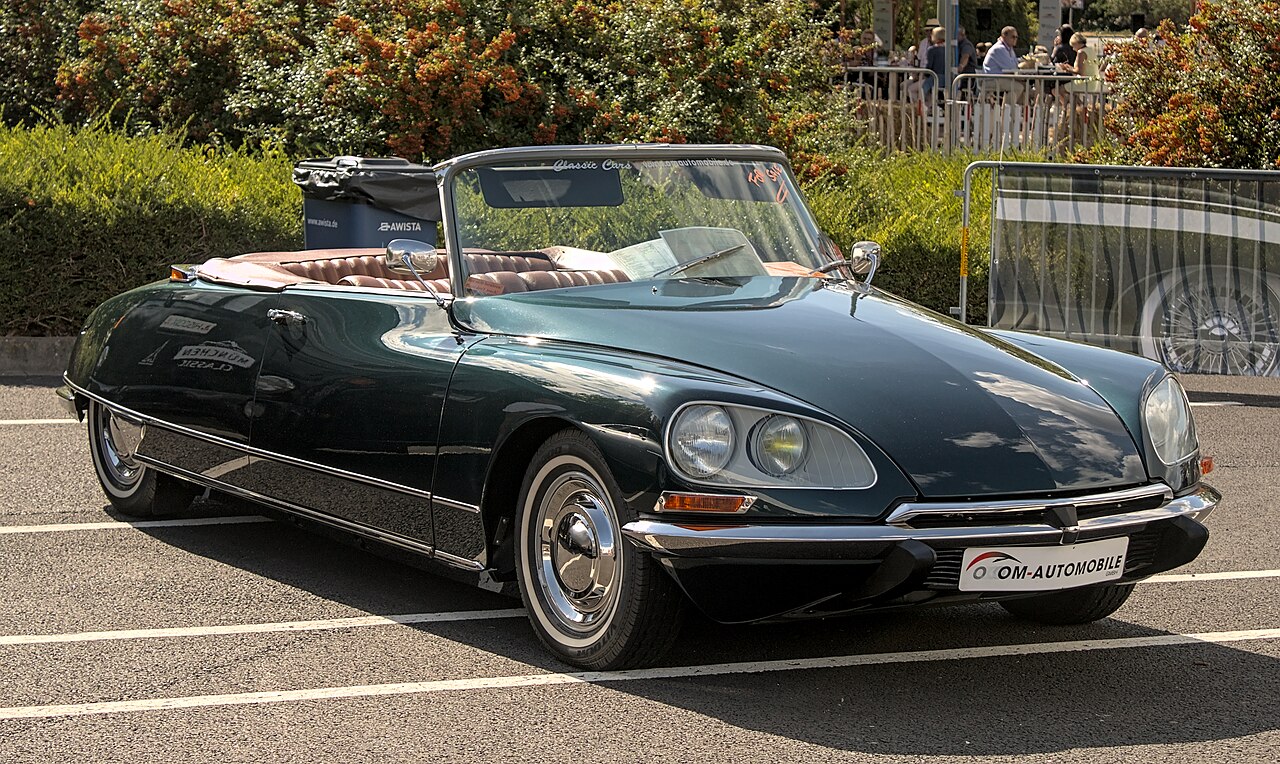
The Citroën DS shocked the world when it debuted in 1955. Its futuristic, aerodynamic shape looked like something from science fiction at the time, and even today it remains visually striking.
Its teardrop profile, covered rear wheels, and floating roofline give it an almost otherworldly appearance. But its beauty is not just aesthetic—it is deeply tied to innovation. The DS introduced hydropneumatic suspension, giving it an unmatched floating ride quality that matched its visual theme.
The car’s design helped establish Citroën as one of the most innovative manufacturers in Europe. It also became a symbol of French industrial design excellence, frequently appearing in art exhibitions.
Even decades later, designers reference the DS as an example of how radical innovation can produce timeless beauty rather than visual chaos.
10. Rolls-Royce Phantom
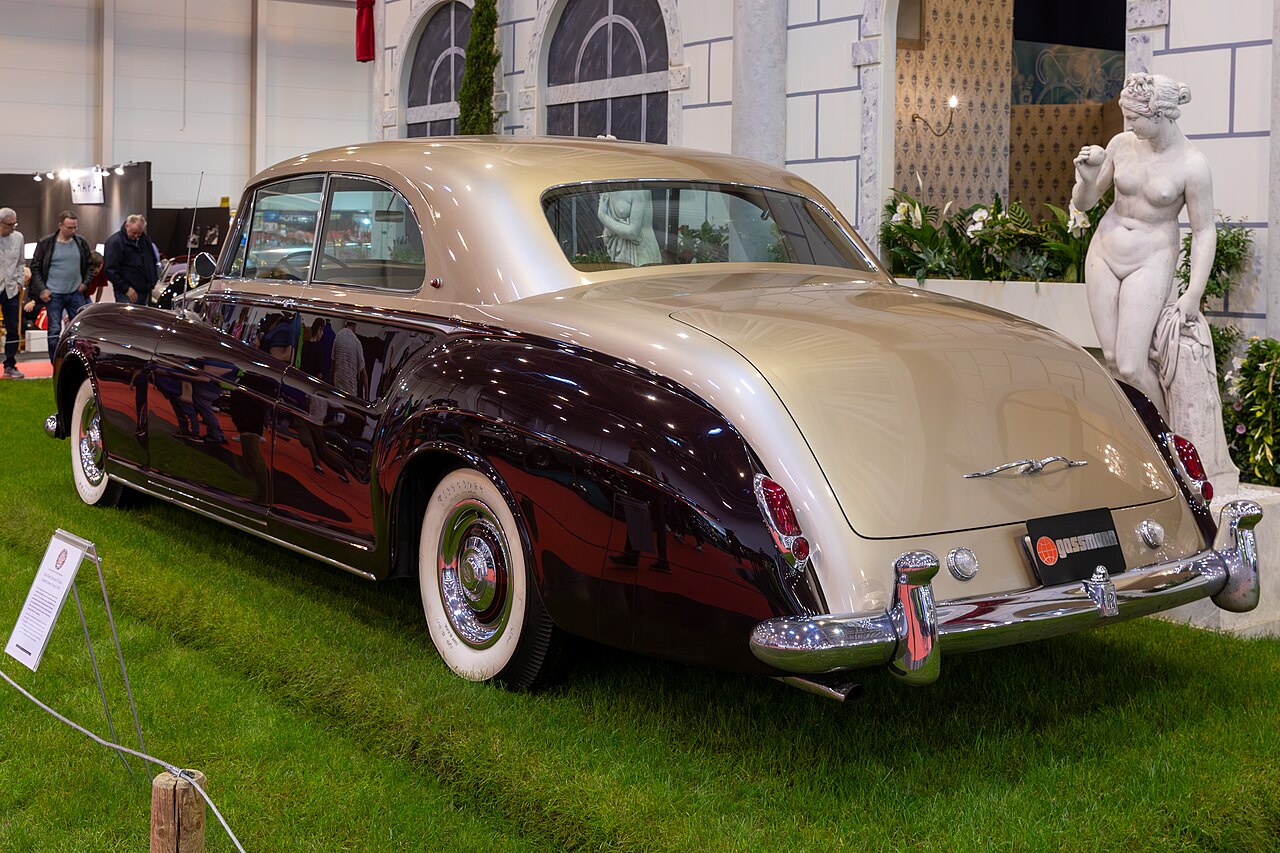
The Rolls-Royce Phantom represents a different kind of beauty—one rooted in presence, proportion, and authority rather than sportiness. Its design philosophy is based on “post-opulence,” where elegance is achieved through simplicity and confidence.
The massive grille, long wheelbase, and perfectly flat surfaces create a commanding road presence. Every detail, from the Spirit of Ecstasy hood ornament to the coach doors, is designed to feel deliberate and ceremonial.
Unlike performance cars, the Phantom’s beauty is about stillness and dignity. It is often described as “architectural” in its design approach, resembling a moving luxury building.
Its influence in the ultra-luxury segment is significant, setting the standard for modern chauffeur-driven vehicles.
11. Maserati A6GCS
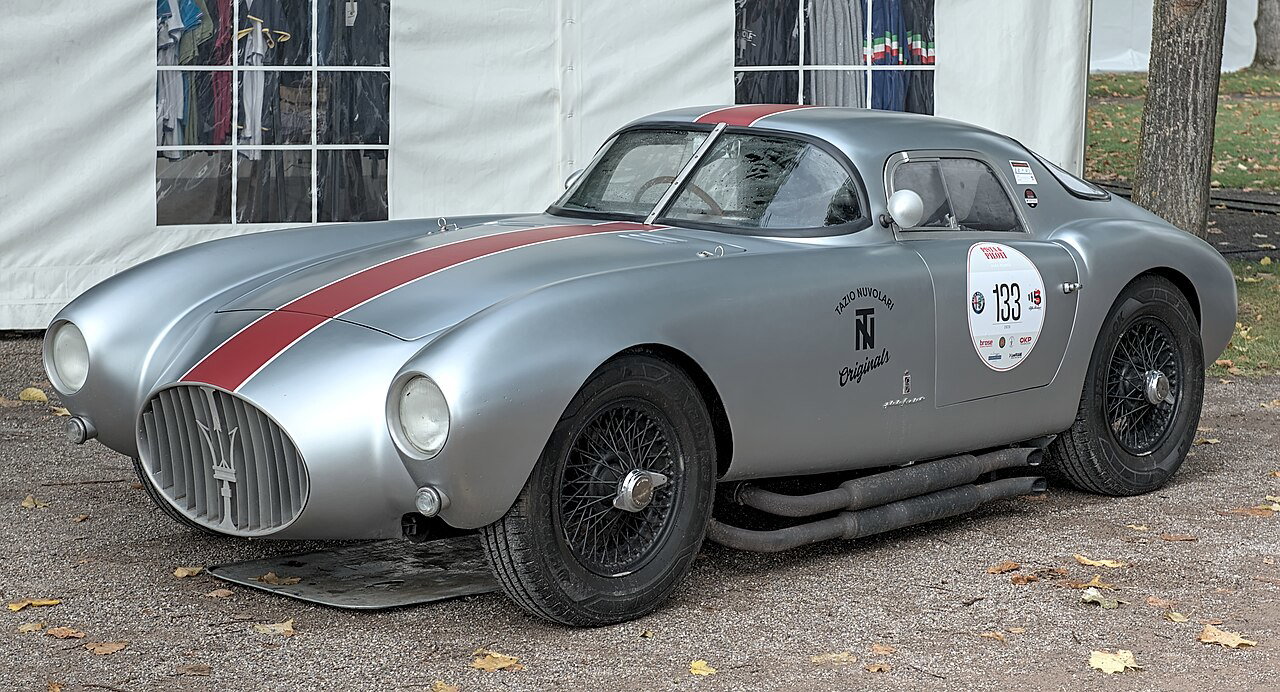
The Maserati A6GCS is a stunning example of lightweight Italian barchetta design. Built for racing in the 1950s, its open-top bodywork is defined by minimalism and aerodynamic purity.
Its low-slung stance, exposed wheels, and flowing curves create an almost liquid sense of motion. Unlike heavily ornamented cars, the A6GCS is defined by restraint.
Because many were coachbuilt by different design houses, each example has subtle variations, making each car a unique piece of art. It is highly regarded in historic racing circles and concours events for its purity of form.
Design historians often highlight it as a perfect example of “function-first beauty,” where every line exists to serve speed and efficiency.
12. McLaren F1
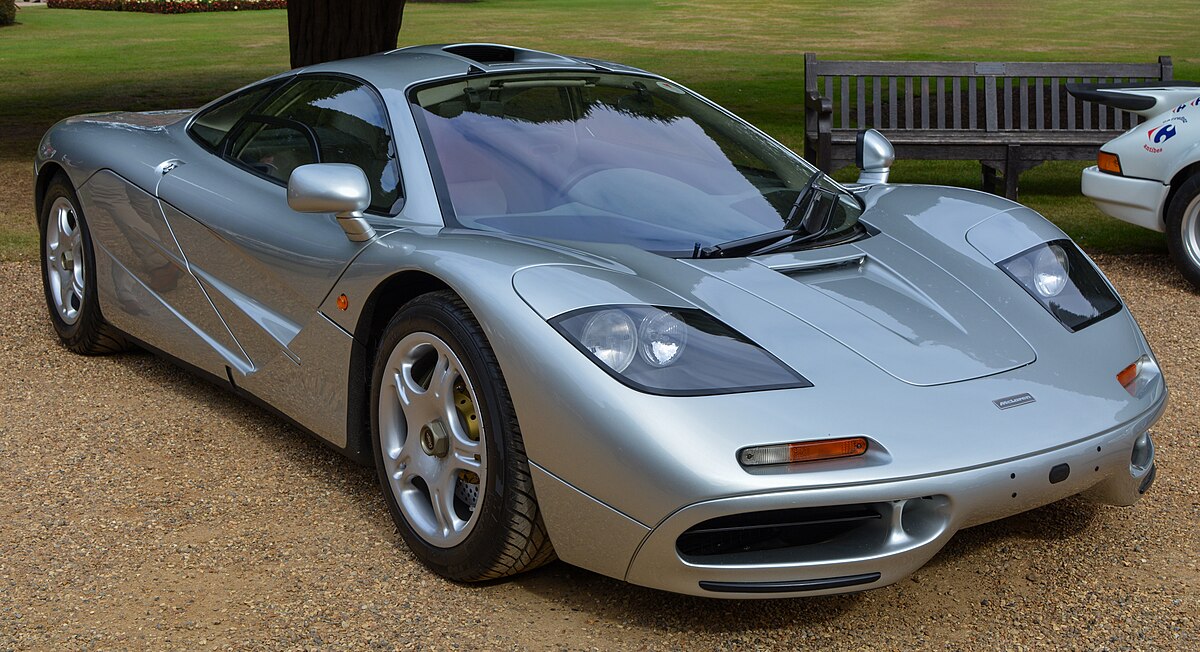
The McLaren F1 brought a new kind of beauty to the modern supercar era. Designed by Gordon Murray, it prioritizes aerodynamic efficiency and engineering clarity over decorative styling.
Its central driving position, smooth carbon-fiber body, and gold-lined engine bay reflect a philosophy of pure function. Yet despite its technical focus, it has become widely admired for its clean, purposeful aesthetic.
The F1’s proportions are compact yet aggressive, and its design has aged remarkably well compared to many of its 1990s contemporaries. It is frequently cited as one of the most important automotive designs of the modern era.
Its combination of record-breaking speed and minimalist beauty makes it a cornerstone of contemporary automotive design history.
The Last Word
The most beautiful cars ever made are not defined by a single design language or era. From the handcrafted elegance of pre-war grand tourers to the aerodynamic purity of modern supercars, beauty in automotive design is ultimately about harmony—between form and function, emotion and engineering.
These 12 cars endure because they transcend their original purpose. They are not just machines; they are cultural artifacts, design milestones, and rolling sculptures that continue to shape how we define beauty on four wheels.
most beautiful cars classic car design automotive art Bugatti Type 57SC Atlantic Jaguar E-Type Mercedes-Benz 300SL Aston Martin DB5 Lamborghini Miura Ferrari 250 GTO Porsche 911 Alfa Romeo 8C Citroën DS Rolls-Royce Phantom Maserati A6GCS McLaren F1 iconic vehicles car design history collector cars automotive elegance coachbuilt classics
Comments