09Jan
In what is shaping up to be one of the most consequential automotive strategy shifts of the year, Stellantis has reportedly confirmed that all Jeep and Chrysler plug-in hybrid models will be discontinued in the United States after the 2025 model year.
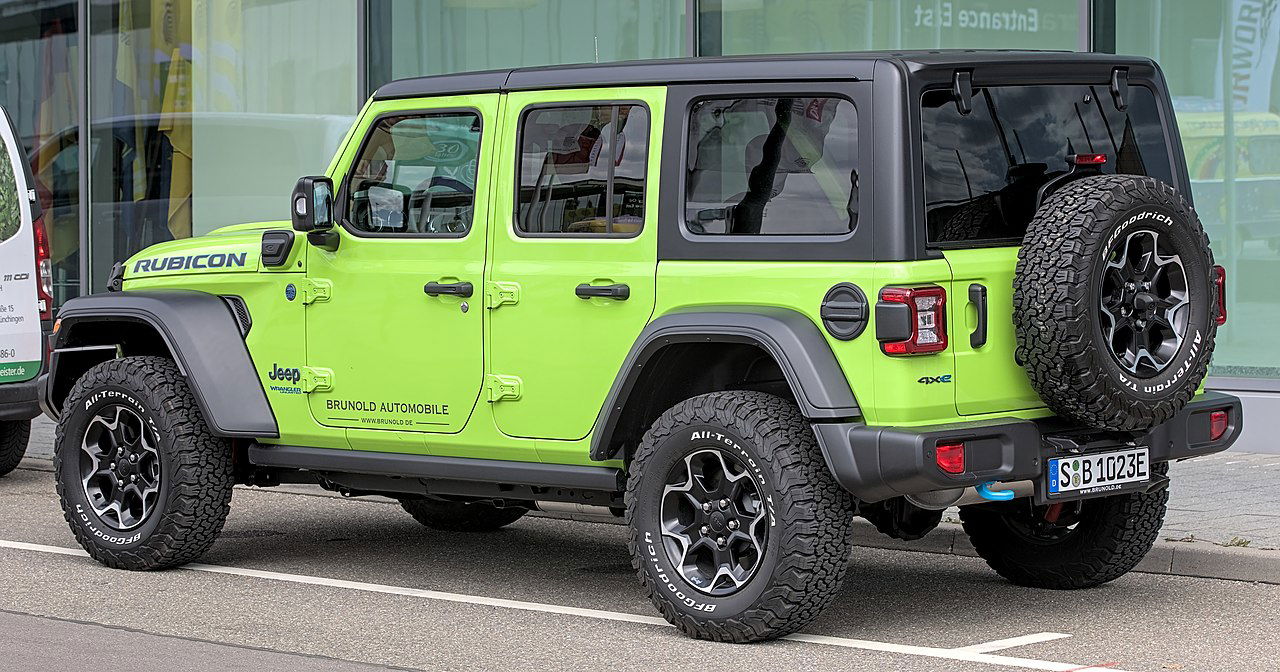
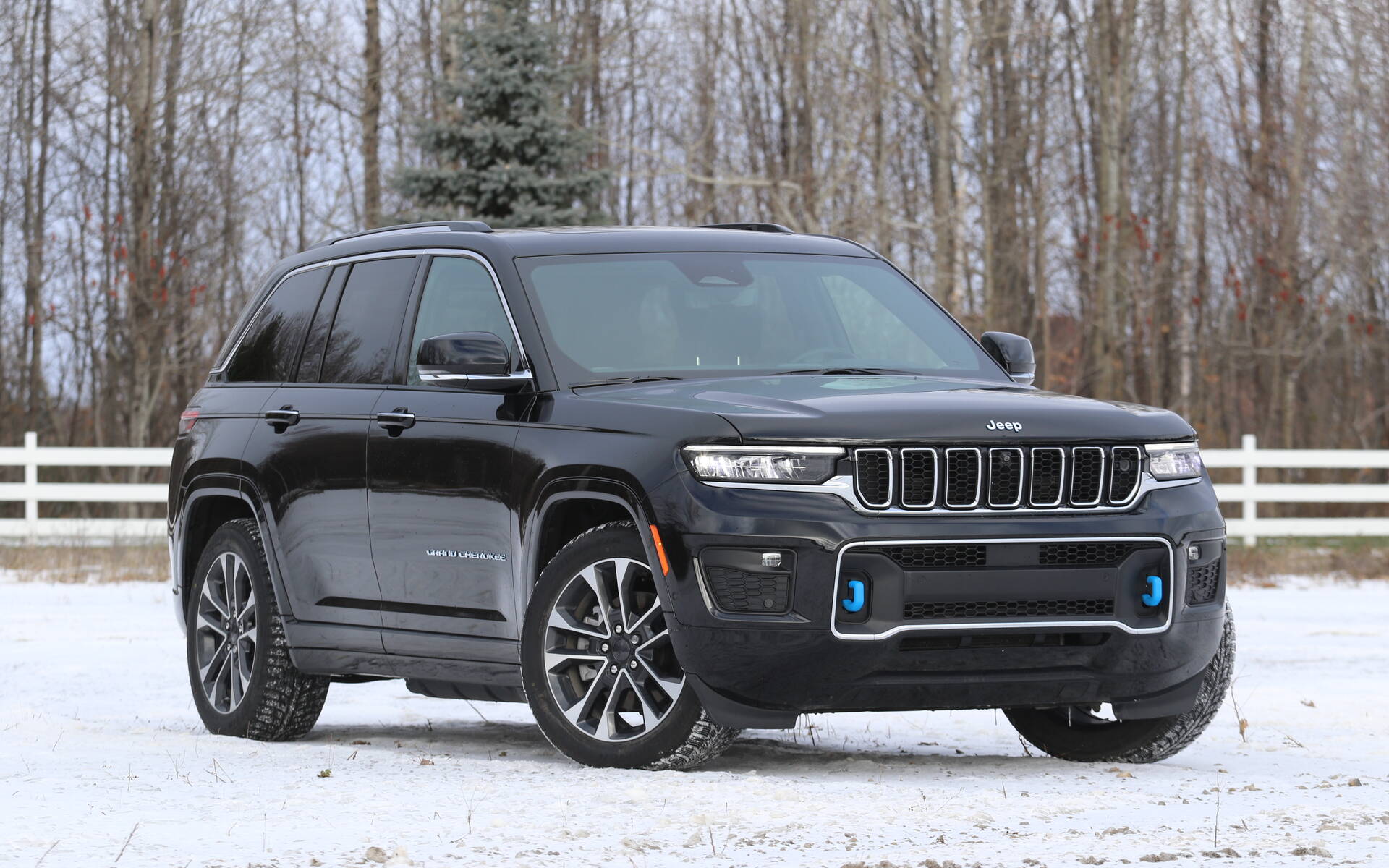
That means the iconic Jeep Wrangler 4xe, the upscale Jeep Grand Cherokee 4xe, and the versatile Chrysler Pacifica PHEV will not return for 2026. This marks a full stop, not a pause, on Stellantis’ existing PHEV program in North America.
Once touted as a bridge between internal combustion and full electrification, especially the Wrangler 4xe, which was promoted as the top-selling plug-in hybrid in America, these vehicles now stand as relics of a strategy that has faltered faster than many insiders expected.
Why Is Stellantis Dropping PHEVs?
The official explanation from Stellantis points to a shift in customer demand and an evolving regulatory environment.
A spokesperson told The Drive that the industry is pivoting toward “more competitive electrified solutions,” which include traditional hybrids and range-extended electric vehicles (EREVs) rather than plug-in systems. Stellantis says this pivot will better meet customer needs while maximizing efficiency across its portfolio.
This shift appears rational at face value. Plug-in hybrids occupy a narrow niche: they must balance electric range, internal combustion efficiency, and cost in a package that often ends up heavier, more complex, and more expensive than a conventional hybrid or full EV.
Many buyers ultimately gravitate toward simpler hybrid systems or full battery-electric vehicles that offer clearer performance or savings benefits. Industry sales figures suggest that interest in PHEVs has lagged behind expectations.
Beyond customer tastes, the PHEV programs at Jeep and Chrysler were not without operational headaches.
Ongoing recall campaigns, including several related to software or battery system issues, plagued the 4xe models in particular, leading to stop-sale orders and frustrated owners waiting months for repairs. That erosion of confidence, both internal and external, likely played a role in Stellantis’ calculus.
What This Means for Stellantis, Dealers and Buyers
Stellantis’ retreat from plug-ins is a bet on alternatives that may be easier for consumers to embrace. Traditional hybrids, which do not need to be plugged in, offer lower complexity and well-understood performance.
Range-extended electric vehicles seek to marry the best of both worlds by using an internal combustion engine solely as a generator, which can sidestep some of the tradeoffs inherent in plug-in drivetrains.
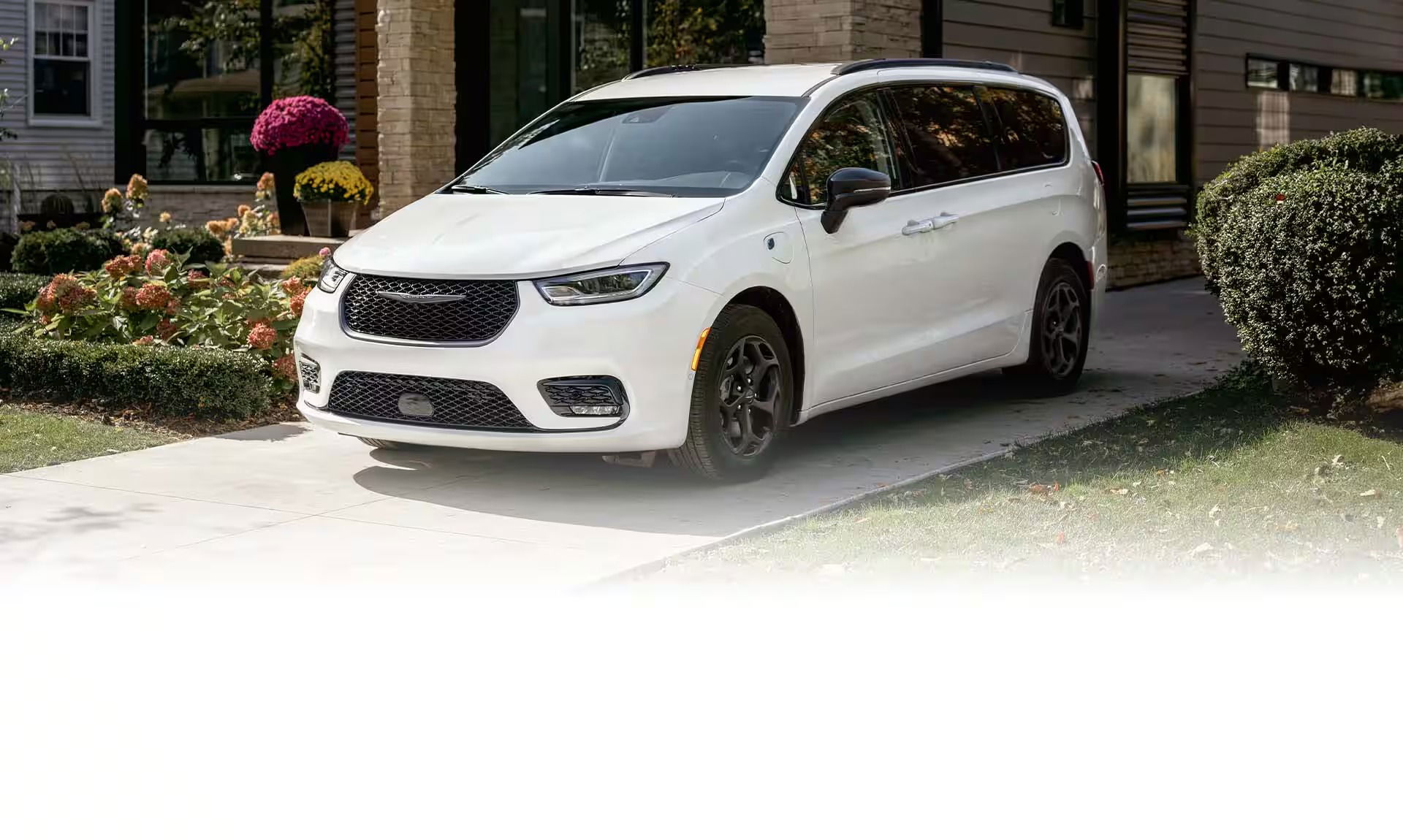
For dealers, this shift will mean restructuring inventory and retraining sales teams to sell vehicles without the PHEV halo. For buyers considering a 2026 Jeep or Pacifica PHEV, the news comes as a hard stop: there will be no new plug-in hybrid models from these brands next year.
Customer demand for electrified drivetrains has not evaporated entirely, but it has seemingly failed to justify continued investment in the current generation of PHEV technology. The discontinuation also reshapes the competitive landscape.
Brands like Toyota and Subaru continue to invest in hybrid and plug-in technology that delivers proven reliability and broader adoption. Stellantis’ departure from this space cedes ground in the electrified SUV and van segments to these rivals, unless Stellantis’ future electrified architectures deliver transformative value.
Reaction and Broader Industry Ripple Effects
The auto community’s response has been sharp and varied. Some owners and enthusiasts lament the loss of electrified options from Jeep and Chrysler, especially given the 4xe’s earlier status as a flagship electrified product.
Others point out that the complexity and limited electric range of these vehicles made them less compelling than alternatives. Online conversations also highlight concerns about long-term parts support and resale value now that these models won’t be refreshed.
The shift also sits within a broader industry trend: automakers are reassessing PHEV programs overall. Several manufacturers have scaled back or reconfigured their plug-in strategies in recent quarters as federal incentives change and customer tastes evolve.
The Stellantis move amplifies that trend, underscoring the uneasy role PHEVs play in an electrifying market where consumers increasingly expect real electric range, low ownership cost, and cutting-edge tech.
Now What?
Though Stellantis is ending its current PHEV lineup, it isn’t abandoning electrification. The company has signaled that new electrified solutions are coming, be they efficient hybrids or range-extended electric models that may carry familiar nameplates in different form.
Whether this strategy will reinvigorate Jeep and Chrysler in the electrified era remains to be seen. For now, though, a chapter in Stellantis’ electrification story has closed.
The plug-in hybrids that once promised to lead the charge are heading to history, leaving behind questions about consumer demand, reliability expectations, and where automotive electrification goes next.
Comments