12Jun
Getty Images.
For decades, repairing a car was considered a normal part of ownership.
A failed alternator on a 1995 Honda Accord could be replaced in an afternoon. A starter motor on a 1998 Toyota Camry was accessible with basic hand tools. Even major repairs could often be tackled by an experienced DIY mechanic armed with a service manual and a free weekend.
Today, the situation is dramatically different.
Open the hood of many modern vehicles and you'll find plastic covers hiding tightly packed engines, electronics woven into nearly every component, and systems that require specialized software simply to complete what was once a straightforward repair.
The modern automobile is safer, cleaner, more efficient, and more technologically advanced than anything that came before it. Yet those improvements have come at a cost. For many owners, mechanics, and independent repair shops, that cost is repairability.
The question is no longer whether a car can be repaired.
The question is who is allowed to repair it.
When Cars Were Designed to Be Serviced
To understand how much things have changed, consider the sixth-generation Honda Accord sold between 1998 and 2002.
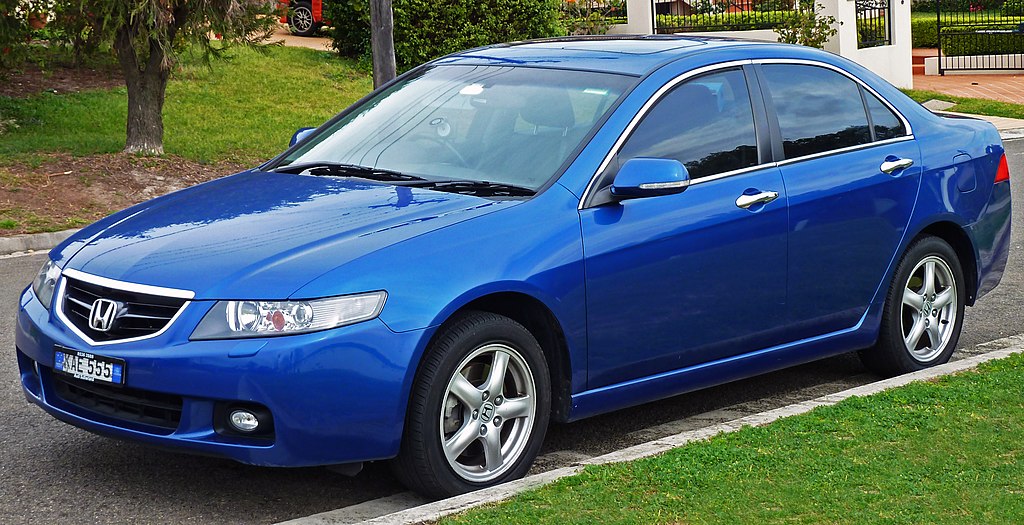
2003-2005 Honda Accord / Image Credit: OSX via Wikimedia.
The four-cylinder models equipped with Honda's 2.3-liter F23 engine offered remarkable accessibility. Spark plugs sat in plain sight. The alternator could be reached without dismantling half the engine bay. Most maintenance procedures required little more than common sockets, screwdrivers, and patience.
The same was true for automobiles such as:
- 1996 Toyota Camry LE 2.2-liter
- 1998 Ford Ranger 2.5-liter
- 1994 Chevrolet C1500 pickup
- 1997 Jeep Cherokee XJ 4.0-liter
These vehicles were hardly primitive, but they were designed during an era when routine maintenance remained a core consideration.
Manufacturers expected owners and local garages to perform repairs. Engine bays contained empty space. Components were visible. Wiring systems were comparatively simple. Even diagnostic systems reflected this philosophy.
The introduction of OBD-II in 1996 standardized diagnostic access across manufacturers. For the first time, independent repair shops could use generic scanners to identify problems without relying on proprietary dealership equipment.
Many believed this would usher in a golden age of repairability. Instead, it became the foundation upon which modern automotive complexity was built.
The Packaging Problem
One of the biggest enemies of repairability is packaging.
Modern vehicles are expected to provide more power, better fuel economy, stronger crash protection, lower emissions, quieter cabins, larger interiors, and improved aerodynamics. Achieving all of those goals simultaneously requires engineers to use every available millimeter.
Consider the 2024 Toyota RAV4 Hybrid XLE.
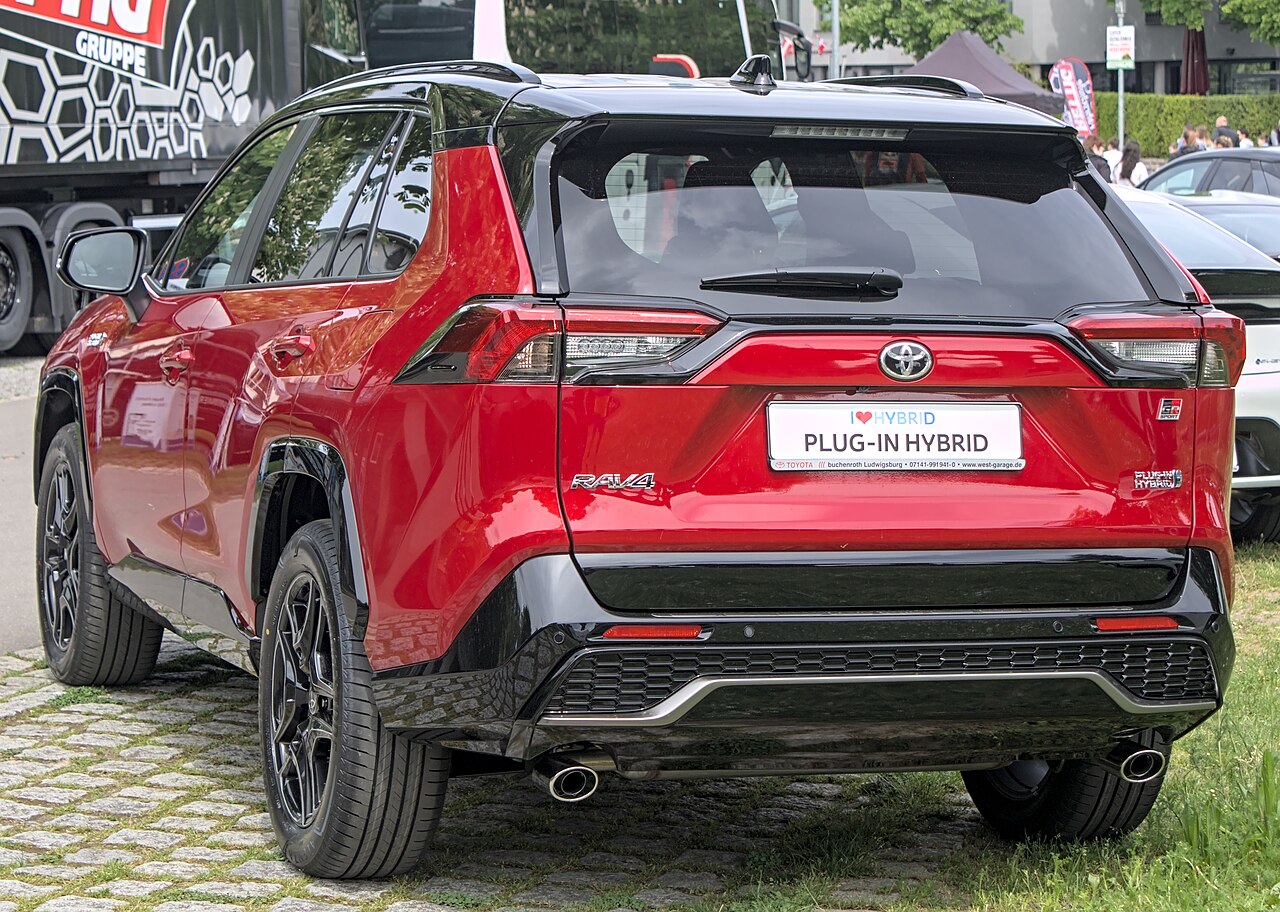
Image Credit: Wikimedia.
Its 2.5-liter hybrid powertrain, battery systems, cooling components, emissions equipment, sensors, wiring harnesses, and crash structures are packed into a space only marginally larger than the engine bay of a compact sedan from the late 1990s.
This efficiency benefits consumers in many ways. But it also means that replacing a relatively small component can become an unexpectedly large undertaking. A water pump replacement on older vehicles often involved removing belts and a handful of fasteners.
On some modern transverse-mounted engines, technicians may need to remove engine mounts, brackets, and multiple accessory components before reaching the failed part. The result is an increasing disconnect between the complexity of the repair and the value of the component being replaced.
The German Example
No discussion of repairability can avoid modern German luxury cars.
Take the 2014 BMW 550i equipped with the twin-turbocharged N63 V8. The N63 became infamous among technicians for its "hot-V" design, which placed turbochargers inside the engine's cylinder banks.
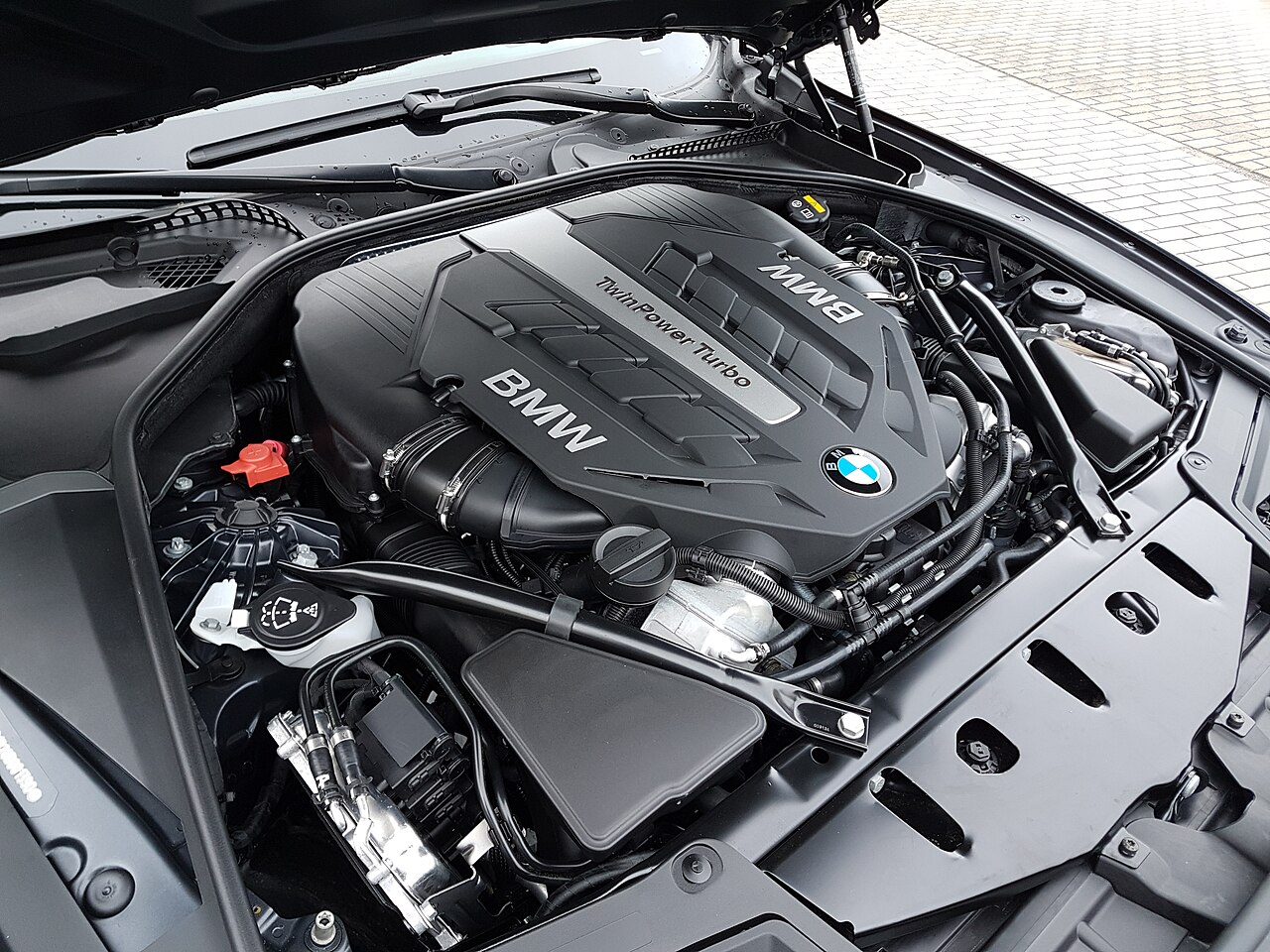
Image Credit: Dr.DOHC - Own work, CC BY-SA 4.0, Wikimedia.
From a performance and packaging perspective, the design offered advantages. From a serviceability perspective, it was a nightmare. Accessing certain components required substantial disassembly. Heat generated within the engine valley accelerated wear on nearby parts. Labor costs soared.
BMW eventually launched extensive customer-care programs to address reliability concerns associated with the engine.
Similarly, the 2012-2018 Audi S6 and S7, powered by the 4.0-liter twin-turbo V8, demonstrated how advanced engineering can create maintenance challenges.
Routine repairs often involved labor times that would have seemed absurd only a generation earlier. Owners gained remarkable performance. Mechanics inherited remarkable headaches.
The 4.0T
Audi's S6 and S7 sold between 2012 and 2018 are fascinating examples of how modern automotive engineering can simultaneously solve old problems while creating entirely new ones.
Their 4.0-liter twin-turbocharged V8, known simply as the 4.0T, was widely praised when it debuted. It delivered the kind of performance once associated with exotic sports cars while meeting increasingly strict emissions regulations and returning surprisingly reasonable fuel economy for a vehicle producing well over 400 horsepower.

Image Credit: Thomas doerfer - Own work, CC BY 3.0, Wikimedia.
What owners often discovered later, however, was that the same engineering decisions that made the engine so impressive on the road made it extraordinarily difficult to work on in the shop.
The central issue was Audi's adoption of a "hot-V" architecture. To understand why this mattered, it helps to understand how most V8 engines had traditionally been arranged.
For decades, engineers placed the intake manifold in the valley between the cylinder banks while locating the exhaust manifolds on the outside of the engine. This created a relatively straightforward layout. The hottest components were pushed outward toward the fenders, leaving the center of the engine relatively cool and accessible.
Audi turned this arrangement upside down.
Instead of placing the exhaust system on the outside of the engine, Audi located the exhaust manifolds inside the V-shaped valley between the cylinder banks. The turbochargers were mounted there as well. The intake system was moved outward.
From a performance standpoint, the advantages were substantial. Exhaust gases no longer had to travel long distances from the engine to the turbochargers. The shorter path allowed the turbos to spool faster, reducing lag and improving throttle response.
The compact arrangement also helped emissions by bringing the catalytic converters closer to the heat source, allowing them to reach operating temperature more quickly after startup.
Unfortunately, this elegant solution concentrated enormous heat in the most crowded and inaccessible part of the engine.
Imagine taking two turbochargers, two exhaust manifolds, catalytic converter components, oil lines, coolant lines, sensors, wiring harnesses, and heat shields and cramming them into the narrow space between the cylinder heads. That is essentially what Audi did.
The consequences became apparent whenever repairs were needed. On many turbocharged engines, a technician can open the hood and immediately see the turbochargers. In some cases, they are mounted high enough that major service can begin almost immediately.
On the Audi 4.0T, the turbochargers are buried beneath multiple layers of components. Before a mechanic can even begin working on them, substantial disassembly is often required. Intake plumbing must be removed. Heat shields have to come off.
Electrical connections need to be disconnected. Various cooling and lubrication components may need to be moved aside.
The actual replacement of a failed turbocharger can become only a fraction of the total labor involved. Much of the time is spent simply gaining access. Heat further complicated matters.
Turbochargers operate under extreme thermal loads even under ideal conditions. In the Audi's hot-V arrangement, the temperatures generated in the valley can be immense. Although Audi employed extensive thermal management systems and sophisticated shielding, physics remains stubborn.
Continuous exposure to elevated temperatures accelerates the aging process of nearby materials. Rubber seals harden. Plastic components become brittle. Wiring insulation experiences additional stress. Oil degrades more rapidly.
One of the most infamous examples involved the engine's turbocharger oil supply system.
The turbochargers depend on a constant flow of clean, pressurized oil to lubricate and cool their bearings. Audi installed a fine mesh screen in the oil supply circuit to protect these expensive components from contaminants.
The idea was perfectly logical. In practice, however, years of heat exposure could cause oil to oxidize and form carbon deposits. These deposits accumulated around the screen, restricting oil flow.
The result was a classic chain reaction. Reduced oil flow led to increased bearing temperatures. Increased temperatures accelerated wear. Eventually, turbocharger failures began appearing.
What frustrated owners and technicians alike was not merely the failure itself, but the effort required to address it. The oil screen was not located in a convenient service position. Reaching it often involved many hours of labor.
Since the cost of accessing the area was so high, many repair facilities recommended replacing multiple related components at the same time. If the engine was already partially dismantled to reach the screen, replacing aging turbochargers or oil lines during the same operation often made economic sense.
The engine's cooling system presented another layer of complexity.
High-performance turbocharged engines generate extraordinary amounts of heat, and Audi designed an intricate network of cooling circuits to manage it. The 4.0T did not simply cool the engine block. It also had to regulate turbocharger temperatures and charge-air temperatures.
Audi employed water-to-air intercooling systems that offered performance advantages but required additional pumps, heat exchangers, coolant reservoirs, hoses, valves, and sensors. Each component served a purpose. Collectively, however, they transformed the engine compartment into a densely packed maze.
A leaking hose or failed valve often could not be accessed directly. The technician frequently had to remove several unrelated components simply to create enough space to work. The direct-injection fuel system added even more congestion. Unlike older port-injected engines, direct-injection systems operate at extremely high fuel pressures.
The Audi 4.0T used high-pressure fuel pumps, rigid metal fuel lines, specialized rails, and numerous sensors. These components occupied valuable real estate around the engine's upper structure. In many repair situations, portions of the fuel system had to be removed before deeper components could be reached.
Because of the pressures involved, additional safety procedures and careful handling requirements increased labor times further. Even jobs unrelated to the turbochargers could become surprisingly expensive because of Audi's packaging choices.
Perhaps nowhere is this more apparent than in the timing chain arrangement. Many engines position their timing chains at the front, where they can be serviced by removing components from the front of the vehicle. Audi placed the timing chains at the rear of the engine, adjacent to the firewall.
Engineers favor this arrangement because it can improve packaging efficiency and shorten the overall engine assembly. The tradeoff becomes painfully obvious when service is required.
The firewall leaves very little room between the rear of the engine and the passenger compartment. Components that would be relatively accessible on a front-mounted timing system become trapped against the back of the engine bay.
In some situations, technicians determine that removing the entire engine is more practical than attempting repairs in the confined space available. This is one of the defining characteristics of a serviceability nightmare. When experienced technicians conclude that removing the engine is the most efficient approach, it reveals how little access exists within the vehicle itself.
That does not mean the Audi 4.0T was poorly engineered. Quite the opposite. It is a remarkably sophisticated powerplant that achieved goals many manufacturers struggled to balance simultaneously. It delivered exceptional power, excellent drivability, strong fuel economy relative to its performance, and emissions compliance in an increasingly demanding regulatory environment.
The problem is that engineering priorities shifted dramatically during the modern era. In the 1960s, 1970s, and even much of the 1980s, serviceability was often considered early in the design process because mechanics would be expected to maintain vehicles regularly throughout their lives.
By the 2010s, priorities had expanded to include crash safety, emissions, packaging efficiency, aerodynamic considerations, noise reduction, fuel economy, and ever-increasing performance expectations.
Something had to give.
In the case of the Audi 4.0T, serviceability was one of the sacrifices. The result was an engine that engineers admired, drivers loved, and mechanics often dreaded.
Many repairs were not especially difficult from a technical standpoint. The challenge lay in reaching the component that needed repair. A failed sensor, leaking line, clogged oil screen, or worn turbocharger could require hours upon hours of labor before a wrench ever touched the actual problem.
That reality is what transformed the Audi S6 and S7's 4.0-liter twin-turbo V8 from a technological marvel into one of the clearest examples of how modern automotive engineering can dramatically increase repair labor times.
The Rise of Software-Defined Vehicles

Getty Images.
Mechanical complexity is only part of the story. Software has become the defining feature of modern automobiles. A 1995 vehicle might contain a handful of computers. A modern luxury vehicle can contain dozens.
Industry estimates suggest some premium vehicles now utilize more than 100 electronic control units managing everything from engine operation to seat adjustment. The 2024 Mercedes-Benz S-Class serves as a prime example. The vehicle integrates sophisticated software controlling:
- Suspension behavior
- Climate systems
- Driver assistance features
- Infotainment functions
- Powertrain management
- Lighting systems
- Occupant safety systems
The challenge is that software introduces entirely new barriers to repair. Replacing a component is no longer enough. The replacement component often requires programming, coding, calibration, or authentication before the vehicle will recognize it.
A simple windshield replacement can trigger calibration requirements for cameras and radar sensors. A battery replacement may require registration procedures. A steering rack replacement may require software initialization. The mechanical repair is only half the job.
Tesla and the New Repair Paradigm
No company better illustrates this transition than Tesla. The 2023 Tesla Model Y is widely praised for its efficiency, performance, and technological sophistication. Yet Tesla has also become a focal point in debates surrounding repair rights.
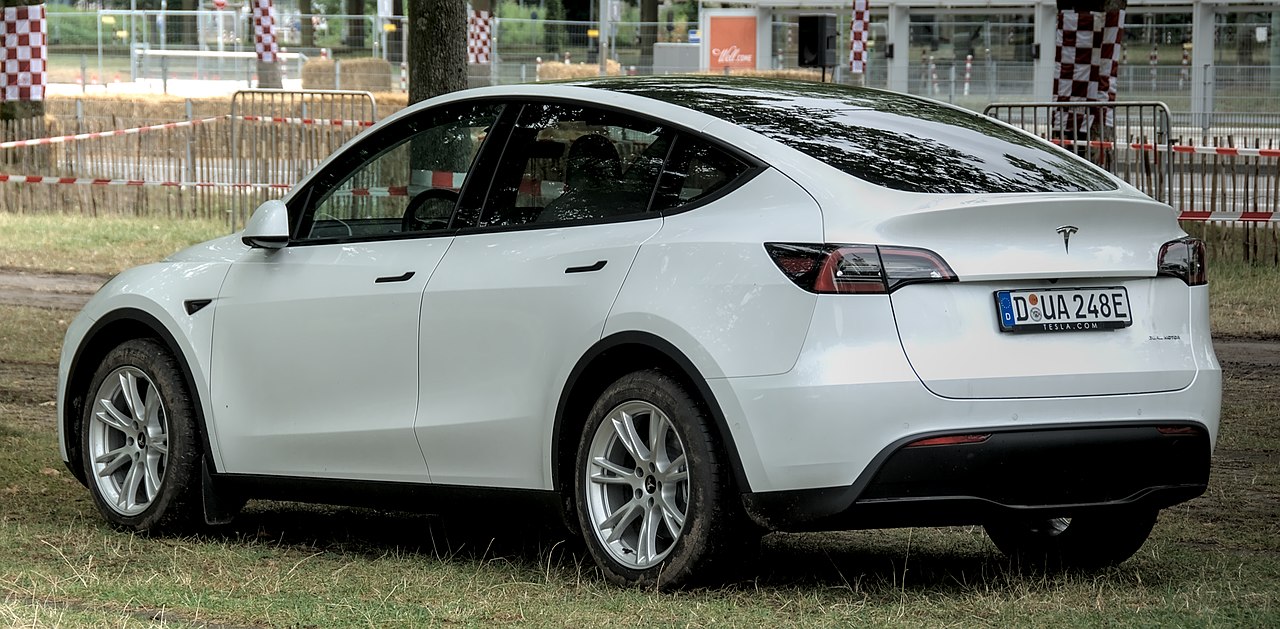
Image Credit: Wikimedia.
Many repairs require proprietary tools, software access, or manufacturer authorization. Certain components are paired digitally with specific vehicles. Independent repair shops frequently report challenges obtaining parts or accessing service functions.
Take the 2023 Model Y's electronic steering rack, for instance. It is a critical assembly responsible for translating steering wheel inputs into actual wheel movement while communicating with the car's advanced driver-assistance systems.
In a conventional vehicle, replacing a steering rack is primarily a mechanical exercise. Once the old unit is removed and the new one installed, the vehicle typically requires an alignment and perhaps some calibration procedures.
In the Model Y, however, the process is significantly more complicated because the steering rack is integrated into Tesla's broader software ecosystem.
Each steering rack contains electronic modules that communicate continuously with numerous vehicle systems, including stability control, traction control, power steering assistance, and Tesla's Autopilot features.
When the steering rack is installed at the factory, its electronic identity becomes associated with that specific vehicle's software configuration and network architecture.
If a technician installs a steering rack taken from another Model Y, the car may recognize that a new component is physically present but still refuse to fully accept it as a legitimate replacement.
The vehicle's software may generate fault codes, disable certain features, or place limitations on steering-related systems until proper configuration procedures are completed.
Historically, Tesla has required access to its proprietary diagnostic and service software to perform these commissioning procedures. During commissioning, the vehicle and steering rack exchange configuration data, calibration values, and identification information.
The process effectively tells the car that the replacement component is authorized and correctly configured for that particular vehicle. This pairing is not merely about theft prevention or inventory tracking.
The steering system interacts with sophisticated software that governs lane-keeping assistance, automatic emergency maneuvers, and other safety-related functions. Tesla argues that ensuring proper software integration helps maintain safety and system integrity.
Critics, however, contend that such digital pairing can make otherwise functional used parts difficult to reuse, potentially increasing repair costs and limiting the ability of independent repair shops to service vehicles without access to Tesla's proprietary tools and software.
In the broader right-to-repair debate, the Model Y's steering rack has become a prominent example of how modern vehicles increasingly blend hardware with manufacturer-controlled software.
Tesla argues that these controls improve safety, reliability, and security. Critics argue they reduce owner autonomy and limit competition.
Regardless of which side one supports, Tesla represents a future that many manufacturers appear eager to embrace. A future in which software determines what can be repaired and by whom.
The Sensor Explosion
Modern vehicles rely on an astonishing number of sensors.
A 2025 Ford F-150 Platinum equipped with BlueCruise includes cameras, radar systems, steering sensors, wheel-speed sensors, lane-position monitoring systems, and driver-attention tracking technologies.
These features improve safety and convenience. But they also create cascading repair requirements. A minor collision that once required a replacement bumper and paintwork may now require:
- Radar recalibration
- Camera alignment
- Sensor verification
- Software diagnostics
A repair bill that might have totaled $1,500 fifteen years ago can now exceed $4,000. Not because the damage is more severe. Because the technology is more integrated.
Why Independent Shops Are Struggling

Getty Images.
Independent repair facilities face increasing challenges. Historically, local garages thrived because they could service vehicles using broadly available tools and information. Today's vehicles often require:
- Manufacturer subscriptions
- Specialized software
- Security credentials
- Proprietary diagnostic equipment
- Continuous technical training
A modern scan tool can cost thousands of dollars.
Annual software subscriptions add recurring expenses. Manufacturer-specific equipment increases costs further. For large dealerships, these investments are manageable. For small independent shops, they can be overwhelming.
This shift has altered the economics of automotive repair. The dealership increasingly becomes the only practical option for certain repairs. Consumers frequently pay the price.
The Disappearing Service Manual
Older enthusiasts remember factory service manuals that contained exhaustive repair instructions. Entire books were dedicated to helping technicians understand vehicle systems.
Today, service information is increasingly distributed through digital portals, subscription services, and manufacturer-controlled platforms. While digital documentation offers advantages, it also changes access.
Repair information has evolved from something owners could purchase outright into something manufacturers can effectively control. This transformation sits at the center of the broader Right to Repair movement.
Advocates argue consumers should retain access to repair information for products they own. Manufacturers counter that unrestricted access could create cybersecurity, safety, and liability concerns.
The debate extends far beyond automobiles. But cars may represent its most consequential battleground.
The Irony of Reliability
One of the great ironies of modern vehicles is that they are often more reliable than their predecessors. A 2025 Toyota Camry Hybrid can travel hundreds of thousands of miles with relatively few major mechanical failures.
Engine management systems are vastly superior. Manufacturing quality has improved dramatically. Corrosion resistance has advanced significantly.
Yet when failures do occur, repairs can be more expensive and complicated than ever before. Reliability has reduced the frequency of repairs. Complexity has increased their difficulty. Consumers experience fewer breakdowns but face larger bills when something eventually fails.
The Last Truly Repairable Cars?

2015 Tacoma / Image Credit: Wikimedia.
Ask mechanics which modern vehicles remain relatively repair-friendly and certain names appear repeatedly.
The 2011-2021 Toyota Tacoma with the 4.0-liter V6.
The 2010-2014 Ford Crown Victoria.
The 2015 Toyota 4Runner SR5.
The 2018 Nissan Frontier with the naturally aspirated 4.0-liter V6.
The Jeep Wrangler JK.
These vehicles share common characteristics. Naturally aspirated engines. Conventional layouts. Lower software dependence. Fewer integrated systems.
They are not simple by historical standards. But compared with today's most technologically advanced vehicles, they represent something increasingly rare: machines designed with maintenance in mind.
Now What?
The future points toward even greater complexity. Electric vehicles reduce mechanical maintenance requirements but increase software dependence. Over-the-air updates continue expanding.
Advanced driver assistance systems grow more sophisticated. Artificial intelligence is beginning to influence vehicle operation.
Meanwhile, manufacturers increasingly view software as a recurring revenue opportunity. Features once tied to physical hardware can now be activated, modified, or restricted digitally. This creates powerful incentives to maintain control over repair ecosystems.
The result may be a future where ownership looks fundamentally different than it does today. Consumers may own the vehicle. Manufacturers may effectively own access to its functionality.
So, modern cars are technological marvels. They are safer than ever. Cleaner than ever. Faster, more efficient, and more capable than previous generations could have imagined. Yet somewhere along the way, repairability stopped being a priority.
The spacious engine bays of the 1990s gave way to tightly packaged systems. Mechanical simplicity yielded to software complexity. Independent repairability increasingly surrendered to manufacturer control. For consumers, the trade-off is complicated.
Few people would willingly return to the safety standards, emissions levels, or fuel economy of vehicles from thirty years ago. Progress has delivered undeniable benefits.
But progress has also created a world in which replacing a battery may require software registration, replacing a windshield may require sensor calibration, and replacing a component may require permission from the manufacturer.
The death of repairability did not happen overnight. It occurred one sensor, one software update, one security gateway, and one proprietary diagnostic tool at a time. The modern automobile remains one of humanity's greatest engineering achievements.
It is also becoming one of its least repairable.
right to repair modern car repair DIY car maintenance automotive technology car software problems Tesla repair German car maintenance OBD-II car sensors calibration why cars are hard to fix dealer-only repairs repairability crisis modern vehicle complexity independent mechanic challenges automotive engineering
Comments